Unlock the power of visual thinking with mind maps! This guide provides a comprehensive approach to simplifying complex information, transforming intricate details into easily digestible, interconnected concepts. Learn how to break down daunting subjects, visually represent relationships, and create effective mind maps for various applications.
From understanding fundamental mind mapping principles to applying them across diverse fields, this resource will equip you with the tools and techniques necessary for mastering this powerful cognitive tool.
Introduction to Mind Mapping for Simplification
Mind mapping is a powerful visual technique for organizing and processing information. It involves creating a central idea, branching out with related sub-ideas, and connecting them visually. This structured approach can be incredibly effective in simplifying complex topics by breaking them down into manageable components. It facilitates understanding by visually representing relationships between concepts, making it easier to grasp intricate ideas and retain information more effectively.Mind maps leverage the human brain’s natural tendency to think visually and associatively.
By representing information in a non-linear fashion, mind maps allow for a more intuitive and flexible understanding of connections between ideas. This non-linear structure makes it easier to identify patterns and relationships that might be overlooked in traditional linear methods of note-taking. The visual nature of mind maps also contributes to memory retention by engaging multiple cognitive processes.
Basic Definition of Mind Mapping
Mind mapping is a visual thinking tool that uses a central concept to branch out into related ideas and sub-ideas. This structure allows for the representation of complex information in a clear, easily understandable format. The central idea is often a or phrase, and associated ideas are connected visually to show relationships and hierarchies. The use of s, colors, and images further enhances comprehension and memorization.
Fundamental Principles of Mind Mapping for Simplification
Mind maps facilitate simplification by:
- Hierarchical Organization: The central idea acts as a foundation, with branches representing related s and details. This hierarchical structure makes complex information more organized and accessible.
- Visual Representation: Using images, colors, and s, mind maps create a visual representation of the information, which aids comprehension and retention. This visual approach is particularly effective for individuals who learn visually.
- Association and Connections: Mind maps emphasize relationships between ideas. Connecting ideas visually reinforces understanding of how concepts relate to each other, which helps to break down complex ideas into simpler parts.
Example of a Mind Map
Imagine you want to understand the concept of “Learning Styles.” The central idea, “Learning Styles,” would be placed in the center of the page. Branching from this could be three main branches: “Visual Learners,” “Auditory Learners,” and “Kinesthetic Learners.” Each of these main branches could then have sub-branches describing characteristics of each learning style, such as visual learners prefer diagrams and images, auditory learners prefer listening to lectures, and kinesthetic learners prefer hands-on activities.
Visual cues like colors and images could be used to further emphasize the connections.
Key Benefits of Mind Mapping for Simplification
| Benefit | Explanation |
|---|---|
| Improved Comprehension | The visual representation and hierarchical structure of mind maps aid in understanding complex concepts by breaking them down into smaller, more manageable parts. |
| Enhanced Memory Retention | The visual nature of mind maps engages multiple cognitive processes, leading to improved memory retention. |
| Increased Creativity and Idea Generation | The non-linear structure of mind maps encourages associative thinking and the exploration of diverse perspectives, fostering creativity and the generation of new ideas. |
| Better Problem Solving | By visually representing the relationships between ideas, mind maps can help identify patterns and connections that might be overlooked in linear thinking, leading to better problem-solving approaches. |
| Effective Note-Taking | Mind maps serve as an effective method for organizing and condensing information, making note-taking more efficient and comprehensive. |
Breaking Down Complex Information
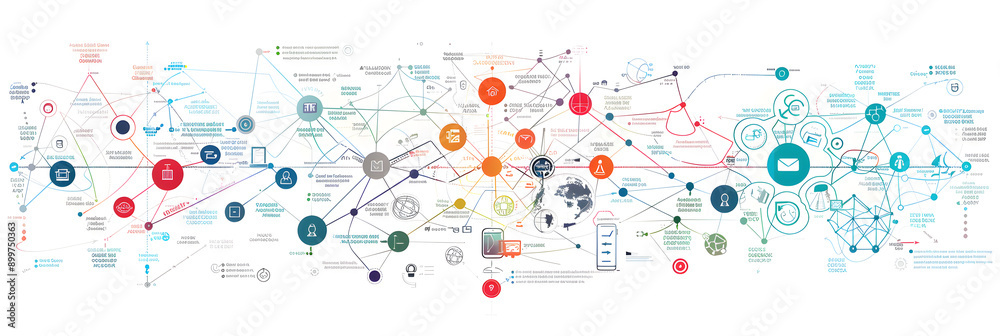
Identifying and dissecting complex information is a crucial initial step in simplifying it. This process involves recognizing the core concept, fragmenting the information into manageable pieces, and organizing these pieces into logical categories. By employing these methods, intricate details become more accessible and comprehensible.Effective simplification necessitates a systematic approach to decompose complex ideas. This involves identifying the core concept and then breaking it down into smaller, manageable components.
The next step is to categorize and group these components, facilitating a clearer understanding of their interrelationships. A well-structured mind map, built upon these steps, makes complex information readily digestible.
Identifying the Core Concept
The core concept is the fundamental idea or principle underlying the complex information. It serves as the central point around which all other details revolve. Locating this core concept is crucial for effective simplification. A thorough analysis of the subject matter, combined with critical thinking, will help isolate the core concept. This is often a single, concise statement that encapsulates the essence of the subject.
Breaking Information into Smaller Chunks
Dividing complex information into smaller, manageable segments facilitates easier comprehension. This approach involves breaking down the main idea into constituent parts, each addressing a specific aspect of the larger concept. Each chunk should ideally be self-contained, allowing for independent understanding without necessitating constant reference to the whole. This fragmentation aids in the creation of a more structured and organized representation of the information.
Categorizing and Grouping Related Information
Categorization and grouping of related information is essential for creating a logical and organized representation. This step involves identifying the relationships between the smaller chunks of information and placing them within appropriate categories. This process reveals connections and dependencies, which are vital for understanding the overall structure of the complex subject. Using hierarchical structures is particularly useful for illustrating relationships.
Example: The Theory of Evolution
Consider the theory of evolution. The core concept is the change in heritable characteristics over successive generations. Breaking this down involves examining the mechanisms of inheritance, natural selection, and genetic variation. Categories could include:
- Mechanisms of Inheritance: Explaining how traits are passed from one generation to the next, including Mendelian genetics and DNA structure. This involves detailed discussion of genes, alleles, and their interactions.
- Natural Selection: This category focuses on how environmental pressures influence the survival and reproduction of organisms, leading to adaptation. It encompasses concepts such as competition, variation, and fitness.
- Genetic Variation: This explores the sources of genetic diversity within populations, such as mutations and recombination. It examines how this variation provides the raw material for natural selection to act upon.
Methods for Breaking Down Complex Information
| Method | Description | Strengths | Weaknesses |
|---|---|---|---|
| Decomposition | Breaking down the main concept into its constituent parts. | Creates a structured representation. | May lose the interconnectedness of the parts. |
| Categorization | Grouping related information into logical categories. | Reveals connections between different parts. | Requires careful identification of categories. |
| Hierarchical Structure | Organizing information in a tree-like structure, showing relationships between levels. | Clearly shows hierarchy and relationships. | Can become complex for very large amounts of information. |
Visualizing Relationships with Mind Maps
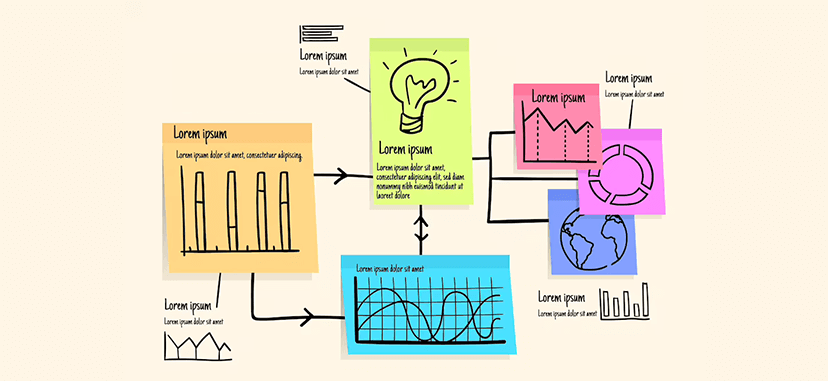
Mind maps are powerful tools for not only organizing information but also for visualizing the complex relationships between ideas. By employing visual cues, mind maps transform abstract concepts into easily digestible and interconnected structures. This visual representation aids in understanding the connections between different parts of a topic, making the learning process more intuitive and effective.Mind maps excel at illustrating the intricate web of connections within a subject.
Their branching structure mirrors the associative pathways in the human brain, allowing for a natural flow of thought and facilitating a deeper understanding of the subject matter. Colors, images, and symbols further enhance this visualization process, adding another layer of understanding and memory retention.
Branching and Hierarchical Structures
Mind maps leverage a branching structure to represent hierarchical relationships between concepts. The central idea forms the root of the map, with major branches extending outwards to represent key s. Further branching from these s allows for even more detailed exploration of the subject. This hierarchical structure facilitates a clear understanding of the relative importance and relationships between different components of the information.
For instance, if mapping the topic “Solar System,” the central idea could be “Solar System,” with branches for “Sun,” “Planets,” “Moons,” and “Asteroids.” Each of these branches can further branch to depict their specific characteristics and features.
Using Colors, Images, and Symbols
Employing colors, images, and symbols adds another layer of visual appeal and comprehension to mind maps. Different colors can be assigned to different categories or ideas, making it easier to identify and distinguish them. Images and symbols can be used to represent specific concepts, providing a memorable visual shortcut for recall. For example, using a sun-shaped symbol for the sun or a blue color for “water” in a mind map about the environment can enhance visual recognition.
These visual cues significantly aid in remembering information and recognizing relationships.
Using Lines and Connectors
Different types of lines and connectors can effectively illustrate the relationships between concepts. Straight lines can denote a direct relationship, while curved lines can represent a more associative or indirect connection. Colored lines can be used to emphasize specific types of relationships. For example, a mind map about a product development process might use a red line to connect “market research” to “product design” to visually emphasize the sequential relationship.
A dotted line could indicate a less direct relationship or a future consideration. This variety of visual connectors helps in understanding the interdependencies within the mind map.
Mind Map Example: The Interconnectedness of a Computer
This example illustrates the interconnectedness of various parts of a computer. The central idea is “Computer.” Branches from this central idea represent key components like “Processor,” “Memory,” “Storage,” and “Input/Output.” Each component branch would further branch out to illustrate their sub-components. For instance, the “Storage” branch might include “Hard Drive,” “Solid State Drive,” and “Optical Drive,” with lines connecting them to represent their function in the larger system.
Using different colors for each component (e.g., blue for “Processor,” green for “Memory,” and purple for “Storage”) helps to visually distinguish and group similar elements. A curved line might connect “Processor” to “Memory” to highlight their dependency in the processing workflow. This comprehensive visualization shows the interplay and interdependence of various parts within a computer.
Creating Effective Mind Maps
Mind maps are powerful tools for organizing and visualizing complex information. They transform abstract ideas into a visual representation, making connections and relationships immediately apparent. This section details the process of crafting effective mind maps, exploring various tools, and providing tips for clarity and organization. A well-structured mind map can significantly enhance comprehension and knowledge retention.Creating a mind map is not a rigid process; however, a structured approach can lead to a more effective and efficient outcome.
Flexibility is key, but understanding the fundamental steps helps in achieving a visually appealing and easily navigable mind map. This section will delve into the practical steps, tools, and strategies to create a robust and insightful mind map.
Steps for Creating a Mind Map from Scratch
Following a systematic approach significantly improves the effectiveness of a mind map. This involves defining the central idea, branching out to key concepts, and then elaborating on sub-points.
- Define the Central Idea: Clearly identify the main topic or subject you want to represent. This is the central concept around which the entire map will revolve. For instance, if you are mapping the history of the automobile, the central idea would be “History of the Automobile.”
- Brainstorm Key Concepts: Generate a list of key concepts, ideas, or s related to the central idea. These should be the primary branches emanating from the central idea. Continuing with the example, key concepts might include “Early Models,” “Mass Production,” “Technological Advancements,” and “Environmental Impact.”
- Elaborate on Sub-points: Expand on each key concept by adding sub-points, examples, and details. This creates the branches and sub-branches of the mind map. For example, under “Early Models,” you might list specific models and their key features.
- Visualize Relationships: Use connectors, s, and images to visually represent the relationships between the different concepts. This visual representation helps clarify the connections between the various ideas.
- Refine and Review: Review and refine the mind map to ensure clarity, completeness, and logical flow. Ensure all information is concise and easily understandable. Consider rearranging branches or adding more detail as needed.
Mind Mapping Tools
A wide range of tools, both digital and physical, facilitates mind map creation. The choice depends on personal preference, budget, and desired features.
Digital Tools offer flexibility and often include collaborative features. Physical Tools offer a more tactile approach, but digital tools often provide more extensive editing options.
- MindManager is a popular digital mind mapping software that offers a comprehensive set of features for creating, organizing, and sharing mind maps. Its strengths lie in its robust features and ability to handle complex projects.
- XMind is another powerful digital mind mapping software with a user-friendly interface. It’s particularly helpful for collaborative projects and brainstorming sessions.
- FreeMind is a free, open-source mind mapping tool. It’s suitable for users seeking a simple and lightweight solution.
- Mindomo is a user-friendly digital mind mapping tool, ideal for those looking for an intuitive and easy-to-use solution.
- Paper and Pen: For some, the tactile experience of using paper and pen is preferred. This approach offers a sense of control and focus.
Comparison of Mind Mapping Tools
The table below provides a comparison of various mind mapping tools.
| Tool | Pros | Cons |
|---|---|---|
| MindManager | Comprehensive features, powerful editing options, collaborative capabilities | Can be expensive, steep learning curve for beginners |
| XMind | User-friendly interface, collaborative features, suitable for complex projects | Limited free features compared to other options |
| FreeMind | Free, open-source, lightweight | Limited features compared to paid options |
| Mindomo | Intuitive interface, user-friendly, excellent for visual learning | May not be suitable for complex projects |
| Paper and Pen | Tactile experience, focus, portability | Limited features, can be time-consuming to refine |
Tips for Structuring a Mind Map
A well-structured mind map ensures clarity and readability.
- Use s: Use concise s and phrases to label branches and sub-branches.
- Visual Hierarchy: Establish a clear visual hierarchy to highlight the relationships between different concepts.
- Color Coding: Use color coding to categorize and differentiate ideas.
- Images and Icons: Incorporate relevant images or icons to enhance understanding and engagement.
- Keep it Concise: Maintain concise wording on each branch to avoid overwhelming the reader.
Creating a Mind Map for a Specific Issue: Example
Let’s illustrate the process using a hypothetical issue: “Improving Customer Satisfaction.”
- Central Idea: “Improving Customer Satisfaction.”
- Key Concepts: “Understanding Customer Needs,” “Improving Service Quality,” “Addressing Complaints,” “Marketing Strategies,” “Customer Feedback.”
- Sub-points (Example): Under “Understanding Customer Needs,” sub-points could include “Market Research,” “Surveys,” “Focus Groups.”
Applying Mind Maps in Different Contexts
Mind maps are not confined to a single field or purpose. Their adaptable nature allows for their application in diverse contexts, from educational settings to business strategies and personal growth. This versatility stems from the visual and interconnected structure of mind maps, enabling effective organization and comprehension of complex information. This section explores the practical application of mind mapping across various fields and scenarios.
Mind Mapping in Education
Mind maps prove highly effective tools in educational settings. They facilitate better understanding of complex subjects by visually representing connections between concepts. Students can use mind maps to Artikel study materials, summarize key ideas from lectures, and prepare for exams. For example, a student studying history could create a mind map to visually connect major events, key figures, and their interactions, making the subject more digestible.
Similarly, in science, mind maps can be used to illustrate the relationships between different biological processes or chemical reactions. This visual representation can aid in recalling information and understanding intricate relationships.
Mind Mapping in Business
In the business world, mind maps are invaluable for strategic planning, brainstorming, and project management. They can be used to visualize project goals, break down tasks into smaller components, and track progress. For instance, a marketing team could use a mind map to brainstorm ideas for a new product launch, visually connecting various aspects like target audience, marketing channels, and promotional strategies.
This visual representation allows for better collaboration and creative problem-solving. Furthermore, project managers can employ mind maps to chart project timelines, identify potential risks, and allocate resources effectively.
Mind Mapping for Personal Development
Beyond professional and academic spheres, mind maps offer significant benefits for personal development. Individuals can use them to identify their goals, break down challenges into manageable steps, and track their progress. For example, someone aiming to learn a new language could use a mind map to Artikel vocabulary, grammar rules, and practice exercises. This visual approach allows for a clear roadmap to achieving their objectives.
Similarly, personal goals like improving health or developing a new hobby can be structured and visualized using mind maps, making the process more manageable and motivating.
Adapting Mind Map Strategies for Different Information Types
The effectiveness of mind maps hinges on the adaptability of the strategy. Different types of information require different approaches. For factual information, a more structured format with key terms and s might be appropriate. For creative ideas, a more free-flowing approach, encouraging diverse connections, would be preferable.
Creating a Mind Map for a Complex Project
Creating a mind map for a complex project involves several steps. First, define the central topic or goal. Second, brainstorm related ideas and s, linking them to the central theme. Third, categorize and organize these s in a hierarchical structure. Fourth, use visual aids like colors, images, and symbols to enhance understanding and engagement.
Finally, review and refine the mind map to ensure clarity and completeness. This structured approach ensures the project stays organized and manageable.
Mind Maps for Brainstorming and Problem-Solving
Mind maps are excellent tools for brainstorming and problem-solving. They enable a non-linear exploration of ideas, fostering creativity and originality. By visually representing interconnected concepts, mind maps can uncover hidden relationships and potential solutions. For instance, in a brainstorming session, team members can contribute ideas, linking them to central themes, leading to more comprehensive and innovative solutions. Similarly, mind maps help in problem-solving by visually identifying the root causes and possible solutions.
Mind Maps for Presentations or Speeches
Mind maps can be invaluable for preparing presentations or speeches. They provide a visual Artikel, allowing speakers to structure their thoughts, maintain flow, and deliver a cohesive presentation. By visualizing the connections between ideas, speakers can create a clear narrative and avoid getting lost in the details. Moreover, they can easily identify key points, supporting evidence, and potential transitions, ensuring a smooth and engaging presentation.
A speaker preparing a presentation on a complex scientific topic, for example, could use a mind map to structure their points, ensuring logical flow and a comprehensive understanding of the subject.
Illustrative Examples

Mind maps offer a powerful visual approach to simplify complex information, making intricate structures and processes easily digestible. By connecting concepts in a hierarchical and interconnected fashion, mind maps effectively capture the essence of a topic, facilitating understanding and retention. These examples demonstrate the versatility of mind mapping across diverse subjects.
Human Body Structure
Understanding the human body’s intricate structure can be daunting. A mind map provides a visual framework, enabling easier comprehension of relationships between organs, systems, and overall functionality. The following mind map illustrates this structure, with the central concept “Human Body” branching out to major systems like skeletal, muscular, nervous, circulatory, respiratory, digestive, and excretory. Each system further branches into specific organs and components.
This visual representation helps grasp the interconnectedness of these systems and their roles in maintaining life. 
The Scientific Method
The scientific method, a cornerstone of scientific inquiry, involves a systematic approach to investigating phenomena. A mind map facilitates visualizing the cyclical and iterative nature of this process. The central concept “Scientific Method” branches into observation, question formation, hypothesis development, experimentation, data analysis, and conclusion drawing. Each step can further be broken down into sub-steps, highlighting the iterative nature of refinement and adjustment in the scientific process.
This visual representation aids in understanding the sequential steps involved. 
Photosynthesis
Photosynthesis is a crucial biological process for plant life. A mind map can effectively visualize the intricate steps involved in converting light energy into chemical energy. The central concept “Photosynthesis” branches into the inputs (light, water, carbon dioxide), the process (light-dependent and light-independent reactions), and the outputs (glucose and oxygen). Each stage can be further detailed with specific chemical equations and reactions.
The interconnectedness of these elements highlights the efficiency of the photosynthetic process. 
The French Revolution
The French Revolution, a pivotal historical event, involved complex societal, political, and economic factors. A mind map can effectively illustrate the interconnectedness of these factors and their contributions to the revolution’s course. The central concept “French Revolution” branches into social inequality, economic crisis, political absolutism, Enlightenment ideas, key figures, and consequences. Each branch can further detail specific events, contributing factors, and outcomes, providing a holistic view of the revolution’s progression.

Marketing Plan
A business’s marketing plan is critical for achieving its strategic goals. A mind map can visually represent the key components of a marketing strategy, enabling better comprehension and coordination. The central concept “Marketing Plan” branches into target audience, market analysis, marketing objectives, marketing strategies (e.g., digital marketing, social media marketing, content marketing), budget allocation, and performance evaluation. Each branch can be further detailed with specific tactics and measurable metrics, offering a clear roadmap for successful implementation.

Visual Aids and Explanations
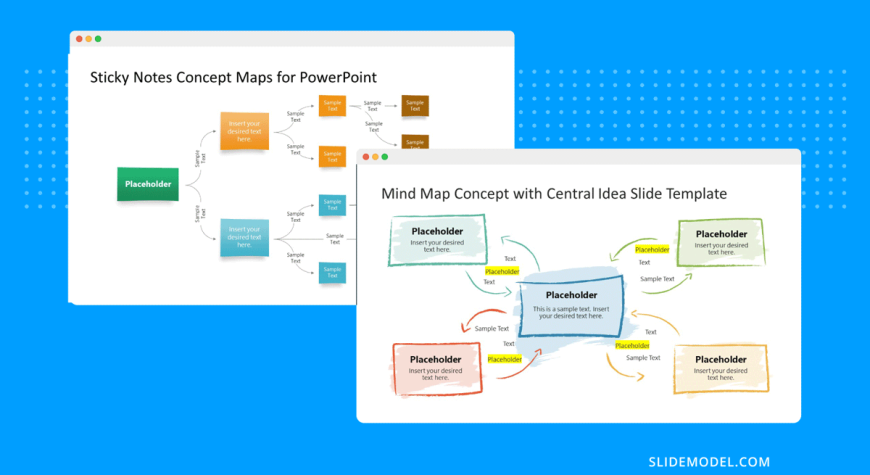
Mind maps leverage visual aids to simplify complex information, making it easier to grasp and remember. By incorporating visuals, mind maps transform abstract concepts into easily digestible representations. This section delves into the crucial role of visual aids, explaining how to use them effectively to enhance understanding.Visual aids in mind maps are not merely decorative elements; they are integral to the process of simplification.
They create a visual framework that mirrors the interconnectedness of ideas, enabling users to quickly grasp relationships and dependencies.
Visual Representation of Concepts
Mind maps utilize various visual elements to depict concepts, making complex ideas more accessible. The core concept is typically placed at the center, with related sub-concepts branching outwards. This hierarchical structure reflects the relationships between ideas, facilitating understanding of their interconnectedness. Visual representation, in this manner, significantly aids in simplifying complex information.
Mind Map Elements and Their Roles
Mind map elements are not simply graphic components; they play specific roles in the simplification process. The central theme or topic serves as the foundation of the map, providing a unifying concept. Branches emanating from the central theme represent major s or related ideas. Sub-branches, or even further branches, depict more detailed concepts, creating a hierarchical structure that visually demonstrates the relationships between ideas.
Connecting lines visually represent the relationships between ideas, while key words and phrases summarize each concept.
Using Colors and Symbols
Colors and symbols significantly enhance the visual appeal and understanding of mind maps. Using a specific color for each main branch or topic allows for quick identification and visual differentiation of concepts. Different colors can highlight connections between ideas, indicating different relationships such as cause and effect or comparison. Symbols can further categorize or summarize concepts, adding another layer of visual differentiation.
For example, a red circle might represent a problem, while a green square could represent a solution.
Illustrative Image Concepts for Mind Maps
A mind map can visually represent various concepts. For instance, a mind map illustrating the life cycle of a butterfly could feature an image of a caterpillar transforming into a chrysalis, then into a butterfly. Another example might be a mind map representing the structure of the human heart, where an image of a stylized human heart with labeled parts could be incorporated.
A flowchart depicting a process would use visual representations of each step, and an image of a network of interconnected nodes could visually illustrate a complex system. These visual aids greatly aid in understanding complex ideas.
Flowchart Structure Example
The following example illustrates a mind map using a flowchart structure to represent a process:
| Step | Description | Visual Representation |
|---|---|---|
| 1 | Initiate Project | Start symbol (e.g., a rounded rectangle) |
| 2 | Define Requirements | Process symbol (e.g., a rectangle) |
| 3 | Design Solution | Process symbol |
| 4 | Develop Solution | Process symbol |
| 5 | Test Solution | Decision symbol (e.g., a diamond)
|
| 6 | If yes, deploy | Process symbol |
| 7 | If no, return to Design Solution | Process symbol and arrow back to Design Solution |
| 8 | Project Complete | End symbol (e.g., a rounded rectangle) |
This example demonstrates how a flowchart can visually represent a series of steps, making the process easily understandable. The use of different symbols for various steps makes the mind map easily understandable.
Tips for Overcoming Challenges
Mind mapping, while a powerful tool for simplifying complex information, can present certain challenges for users. This section addresses common difficulties and provides practical solutions, ensuring a smoother and more effective mind mapping experience. It also details strategies for adapting mind maps to diverse learning styles, maintaining focus, and retrieving information efficiently.Effective mind mapping transcends mere visualization; it requires a strategic approach.
Understanding potential hurdles and possessing techniques to overcome them empowers users to leverage the full potential of this method.
Common Difficulties in Using Mind Maps
Mind maps, though visually engaging, can sometimes prove challenging to implement. Common difficulties include struggling with brainstorming ideas, connecting disparate concepts, and maintaining a consistent visual structure. Overcoming these obstacles involves understanding the process and applying appropriate techniques.
Practical Solutions for Overcoming Difficulties
Overcoming challenges in mind mapping often involves employing practical solutions tailored to the specific hurdle. For instance, if brainstorming is proving difficult, using prompting questions or mind mapping templates can greatly assist. Connecting disparate concepts requires establishing logical relationships between ideas.
- Brainstorming Effectively: Employing brainstorming techniques like freewriting, clustering, or mind mapping templates can significantly aid in generating ideas. These methods can help to stimulate creativity and overcome initial blockages.
- Connecting Concepts Logically: Establishing clear connections between ideas is crucial. This involves identifying relationships (cause-and-effect, comparison, contrast) and visualizing these links within the mind map.
- Maintaining Visual Structure: Maintaining a consistent visual structure is key to readability. Employing color-coding, different shapes for different types of information, and clear hierarchy are critical elements.
Adapting Mind Maps to Different Learning Styles
Mind maps can be tailored to suit various learning preferences. Visual learners, for example, will readily grasp the visual nature of mind maps. Auditory learners can benefit from verbally outlining the relationships within the map. Kinesthetic learners can find ways to physically engage with the map’s components.
- Visual Learners: Visual learners will benefit from the visual nature of mind maps. They can use color-coding, different shapes, and varied font sizes to enhance the visual appeal and engagement.
- Auditory Learners: Auditory learners can verbalize the relationships between concepts while creating or reviewing the mind map. They can use voice recordings or discussions with others to reinforce their understanding.
- Kinesthetic Learners: Kinesthetic learners can physically interact with the mind map by manipulating the layout, using different colored markers, or by physically moving notes between branches.
Maintaining Focus While Creating Mind Maps
Maintaining focus while creating a mind map is essential for a productive session. Distractions can derail the process. Establishing a dedicated workspace, minimizing interruptions, and using timers can help in achieving focus.
- Creating a Dedicated Workspace: Designate a specific area for mind mapping, free from distractions like television or social media. Maintaining a consistent workspace signals to the brain that it’s time for focused work.
- Minimizing Distractions: Turn off notifications, close unnecessary tabs, and inform others of your need for uninterrupted time.
- Using Timers: Setting timers for specific tasks can help maintain concentration. Breaks are also important; short breaks every 30-45 minutes can boost productivity.
Techniques for Effective Information Retrieval from Mind Maps
Effective retrieval of information from mind maps requires strategic techniques. Employing review strategies, regularly reviewing the mind map, and using s are crucial for effective recall.
- Reviewing Regularly: Regular review sessions help solidify understanding and facilitate recall. Reviewing the mind map at different intervals reinforces information retention.
- Using s: Identifying and utilizing s within the mind map is vital. s can serve as prompts for recalling associated concepts and information.
- Applying Spaced Repetition: Spaced repetition techniques can help retain information more effectively. This involves reviewing the mind map at increasing intervals to maximize retention.
Outcome Summary
In conclusion, mastering mind mapping offers a structured and engaging approach to simplifying complex information. This guide provides a clear path for creating effective mind maps, whether for personal projects, academic endeavors, or professional applications. By visualizing relationships and breaking down complex subjects, you gain a powerful advantage in understanding, remembering, and presenting information more effectively.