Planning a compelling podcast episode can feel overwhelming. This guide demystifies the process, offering a structured approach using mind mapping. Discover how to transform a blank slate into a captivating narrative, engaging your audience from start to finish. We’ll explore every stage, from defining your topic to translating your mind map into a polished script.
This comprehensive guide will walk you through six key steps to effectively plan a podcast episode using a mind map. From brainstorming ideas to structuring the mind map and incorporating supporting materials, we’ll cover all the essential aspects of podcast production. Learn to prioritize content, refine the flow, and ultimately, translate your creative vision into a polished podcast episode.
Defining the Podcast Episode Topic

A crucial step in planning a compelling podcast episode is defining a specific and engaging topic. This ensures the episode has a clear focus, allowing for a structured and insightful discussion. A well-defined topic provides the foundation for a strong mind map, guiding the brainstorming and organization of ideas.Defining the topic is more than simply choosing a subject; it’s about identifying a unique angle and exploring the specific aspects that will resonate with the target audience.
This process allows the podcast to maintain its niche and deliver valuable content.
Podcast Episode Topic Examples
Choosing a compelling topic is essential for a successful podcast episode. Here are some examples, highlighting different approaches:
- The Impact of AI on Creative Industries: This topic could explore how artificial intelligence is transforming fields like graphic design, music composition, and filmmaking. It could delve into both the benefits and potential drawbacks of AI integration, ultimately aiming to provide listeners with a balanced perspective on the future of these industries.
- Sustainable Fashion Alternatives: This episode could focus on innovative, eco-friendly materials and practices in the fashion industry. It could interview designers and sustainability advocates, presenting concrete examples of sustainable fashion solutions and offering listeners actionable advice on making more eco-conscious choices.
- The Psychology of Decision-Making Under Pressure: This topic could analyze how stress and time constraints influence our choices. It could explore real-life examples, from sports psychology to business negotiations, and offer practical strategies for navigating high-pressure situations effectively.
Framework for Selecting a Topic
A well-defined framework for selecting a topic is critical to maintain a consistent and engaging podcast. The podcast’s target audience and established niche significantly influence the topic selection.
- Audience Interest: Understanding the interests and needs of the target audience is crucial. Researching listener feedback, social media engagement, and online discussions related to the podcast’s niche will provide valuable insights.
- Podcast Niche: The podcast’s established niche should guide the topic selection. The topic should align with the overall themes and values of the podcast, ensuring consistent messaging and audience appeal.
Importance of a Clearly Defined Topic
A well-defined topic is essential for the effective creation of a mind map. A clear focus helps organize ideas, identify key points, and connect them logically.
- Structure and Organization: A clear topic provides a framework for structuring the mind map, ensuring a logical flow of ideas.
- Effective Brainstorming: A defined topic guides brainstorming by focusing the generation of ideas on relevant aspects of the chosen subject.
Refining the Topic: Questions to Ask
Asking yourself specific questions can help refine the topic and ensure it is both engaging and actionable.
- What specific aspect of the topic will resonate most with my target audience?
- What unique angle or perspective can I bring to this topic?
- What are the key takeaways or actionable insights I want to share with my listeners?
- What resources (interviews, research, personal experiences) will support my exploration of this topic?
Comparing Podcast Episode Topic Approaches
Different approaches to podcast episodes can cater to various listener preferences and podcast goals. This table Artikels some common approaches:
| Approach | Description | Example |
|---|---|---|
| Interviews | Gathering insights from experts or individuals with relevant experience. | Interviewing a successful entrepreneur about their journey. |
| How-to | Providing step-by-step instructions or practical advice. | Creating a guide on how to start a blog. |
| Storytelling | Sharing personal anecdotes or fictional narratives to engage listeners emotionally. | Narrating a true story about overcoming adversity. |
Brainstorming Ideas and Key Points
Generating diverse ideas is crucial for crafting a compelling podcast episode. A well-structured brainstorming session can lead to a richer episode, brimming with insightful perspectives and engaging content. Effective brainstorming methods are vital for unlocking creative potential and ensuring the episode addresses the chosen topic thoroughly.
Methods for Generating Diverse Ideas
Effective brainstorming requires methods that encourage free-flowing thought and exploration of different perspectives. A variety of techniques can help generate a wide range of ideas related to the chosen topic. These methods can range from simple freewriting to more structured approaches like mind mapping.
- Freewriting: This technique involves writing continuously about the topic for a set period, without censoring or editing. This allows for a rapid flow of ideas, often revealing connections and perspectives that might not surface through more structured approaches. The goal is to generate as many ideas as possible, regardless of their initial plausibility. By focusing on quantity over quality in this phase, you unlock a wider range of potential topics for exploration.
- Mind Mapping: This visual technique uses a central idea as a starting point, branching out to related s and concepts. Mind mapping can be used to organize and visualize connections between ideas, fostering a deeper understanding of the topic and its various facets. It facilitates the identification of hidden connections and the exploration of potential angles.
- Brainstorming: This technique involves generating a list of s related to the topic. Exploring synonyms, antonyms, and related concepts from the s can spark new ideas. This method helps broaden the scope of ideas and identify alternative viewpoints.
- Reverse Brainstorming: This involves exploring the opposite or contrasting viewpoints of the topic. This can lead to unique insights and angles by challenging assumptions and encouraging critical thinking. For example, if the topic is the benefits of a particular software, reverse brainstorming might explore potential drawbacks and limitations.
Brainstorming Episode Content Using Mind Mapping Software
Mind mapping software provides a visual platform for brainstorming episode content. These tools allow for easy organization, linking, and elaboration of ideas. By visually representing the central topic and its branches, you can see the relationships between different ideas and identify potential gaps or overlaps in the content.
- Central Idea: Begin by placing the chosen topic in the center of the mind map. This serves as the focal point for all subsequent ideas.
- Branching Out: From the central idea, branch out to s, related concepts, and key points that you wish to address in the episode. Use different colors and shapes to categorize these branches, creating a visual representation of the episode’s structure.
- Connecting Ideas: Connect related ideas with lines, showing how they relate to the central theme or to other branches. This helps identify connections and potential arguments.
- Adding Details: Add notes, examples, and further details to each branch to flesh out the content of each point. This helps develop the depth and substance of the podcast episode.
Potential Challenges in Brainstorming and Strategies for Overcoming Them
Brainstorming can present challenges, including difficulty generating ideas, focusing on the topic, and maintaining momentum. However, these challenges can be overcome through careful planning and the implementation of effective strategies.
- Generating Ideas: Overcoming the hurdle of generating ideas often requires utilizing a variety of techniques, such as freewriting or brainstorming, to stimulate creativity and identify different perspectives.
- Maintaining Focus: Establishing clear boundaries and time limits for the brainstorming session can help maintain focus on the chosen topic. It’s also important to set aside dedicated time and space for this activity.
- Overcoming Groupthink: Encourage participation from all members of the brainstorming team to avoid groupthink and ensure diverse viewpoints are represented. Create a safe space where all participants feel comfortable sharing ideas, even if they are unconventional.
Structure for Outlining Key Points of the Podcast Episode
A well-structured Artikel helps to ensure a coherent and engaging podcast episode. This structure allows for a logical flow of information and helps maintain focus on the topic.
- Introduction: Begin with an engaging introduction that introduces the topic and sets the stage for the episode. Provide context and establish the relevance of the topic.
- Body: The body of the episode should be divided into sections or key points that address the different aspects of the chosen topic. Organize the key points in a logical sequence that builds upon each other.
- Conclusion: End the episode with a compelling conclusion that summarizes the key takeaways and offers final thoughts on the topic. This is an opportunity to reiterate the significance of the information covered.
Different Approaches to Categorize Ideas
Categorizing ideas helps to organize and manage the large amount of information generated during brainstorming. Different approaches can be used to categorize ideas based on the specific requirements of the podcast episode.
- Chronological Order: Organize ideas based on the order in which they occurred or should be presented in the episode. This is helpful for episodes covering historical events or processes.
- Thematic Grouping: Organize ideas into categories based on their theme or subject matter. This allows for a focused discussion of specific areas related to the topic.
- Problem-Solution: Categorize ideas into problems and their potential solutions. This is a good approach for episodes focusing on issues and their resolution.
Brainstorming Techniques
| Technique | Description |
|---|---|
| Freewriting | Continuous writing about the topic without judgment or editing. |
| Mind Mapping | Visual representation of ideas branching from a central theme. |
| Brainstorming | Generating s related to the topic and exploring their connections. |
| Reverse Brainstorming | Exploring opposite or contrasting viewpoints of the topic. |
Structuring the Mind Map
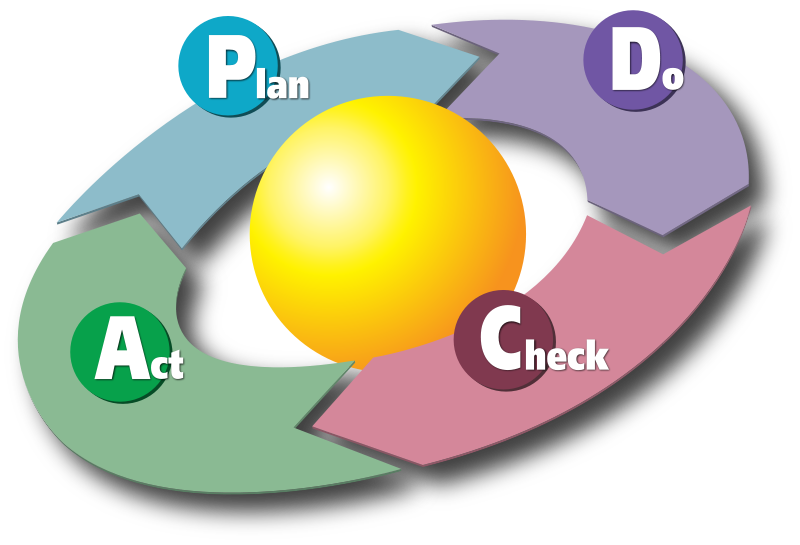
A well-structured mind map is crucial for planning a podcast episode effectively. It provides a visual framework for organizing ideas, ensuring a cohesive and logical flow of information for listeners. A clear structure helps maintain focus during the recording process and aids in avoiding tangents.Creating a structured mind map transforms a collection of raw ideas into a well-organized plan for a podcast episode.
This organized structure allows for easy identification of connections between different points and helps ensure a consistent and engaging narrative for the audience.
Importance of Logical Structure
A logical structure in a mind map is essential for a successful podcast episode. It ensures that the ideas presented flow naturally and logically from one to another. This structure facilitates a smooth transition between different segments, enhancing listener engagement. A clear structure avoids confusion and ensures a seamless listening experience.
Use of Branches and Sub-branches
Branches and sub-branches in a mind map are used to delineate different sections and sub-sections of a podcast episode. The main branches represent the primary topics, while sub-branches represent supporting ideas, examples, or arguments. This hierarchical structure allows for a detailed breakdown of the episode’s content. Using this approach, the creator can effectively manage and organize the information.
Creating a Central Theme
Establishing a central theme is vital for any podcast episode. This theme serves as the unifying element that connects all the various points and ideas. The central theme provides focus and direction for the episode, ensuring that all information contributes to a specific message or understanding. A well-defined central theme makes the episode more impactful.
Visual Representation of a Mind Map Structure
Imagine a mind map for a podcast episode titled “The Impact of Social Media on Teenagers”. The central theme would be “Social Media’s Impact”. Major branches might be “Positive Impacts”, “Negative Impacts”, and “Strategies for Healthy Use”. Sub-branches under “Positive Impacts” could include “Connection with Peers”, “Access to Information”, and “Creative Expression”. Similarly, “Negative Impacts” could have sub-branches like “Cyberbullying”, “Mental Health Concerns”, and “Comparison Culture”.
Comparison of Mind Mapping Styles
Different mind mapping styles can be used depending on the complexity of the podcast episode’s topic. A radial mind map, where branches emanate from a central theme, is suitable for broader topics. A hierarchical mind map, with clearly defined levels of sub-branches, works well for episodes with numerous details and arguments. Choosing the appropriate style helps to represent the information in a way that is most easily understood.
Connecting Branches in a Mind Map
Connecting branches in a mind map is about establishing relationships between different ideas. For instance, in the “Social Media’s Impact” episode, the branch “Cyberbullying” under “Negative Impacts” could be connected to the branch “Mental Health Concerns” through an arrow or a connecting phrase. This visually demonstrates the correlation between these topics, strengthening the logical flow of the episode.
Connecting branches effectively helps the listener understand the relationship between different ideas.
| Branch | Sub-branch | Connection |
|---|---|---|
| Positive Impacts | Connection with Peers | Facilitates communication and social interaction |
| Negative Impacts | Cyberbullying | Leads to emotional distress and harm |
| Strategies for Healthy Use | Setting Time Limits | Reduces potential negative impacts |
Incorporating Supporting Materials

Enriching your podcast episode with diverse supporting materials significantly enhances its depth and impact. By incorporating research, interviews, guest appearances, and visual aids, you create a more engaging and informative listening experience for your audience. This section will guide you on how to effectively integrate these elements into your mind map.
Methods for Incorporating Research
To incorporate research effectively, identify key research findings and studies relevant to your episode’s topic. Note the author, publication, and key takeaways from each source. Within the mind map, create branches for each research point, linking them back to the central topic. For instance, if your topic is “The impact of social media on mental health,” a branch could be “Studies showing correlation between social media use and anxiety,” with specific references to the research articles included.
This method allows you to easily locate and cite your sources during the podcast production process.
Methods for Incorporating Interviews and Guest Appearances
Guest interviews and appearances are invaluable for adding diverse perspectives and expertise. Identify potential guests with relevant experience or knowledge. During the brainstorming phase, note their areas of expertise and how their insights would strengthen your episode’s content. Within the mind map, create branches dedicated to each interviewee, outlining the anticipated topics for discussion and specific questions.
This allows you to organize the conversational flow and ensure the episode covers the desired content comprehensively. For example, for an episode on “Sustainable Agriculture,” you might include branches for a farmer, a food scientist, and an environmental activist, each with specific discussion points Artikeld.
Methods for Identifying Potential Guests and Sources
Identifying suitable guests involves researching professionals and experts in your niche. Utilize online directories, professional organizations’ websites, and social media to locate individuals with relevant expertise. Networking with individuals within your industry can yield excellent guest opportunities. For example, if you’re covering “The Future of Work,” reaching out to HR professionals, tech entrepreneurs, or futurists can provide valuable perspectives.
Actively participating in relevant online communities can also lead to discovering potential guests.
Methods for Adding External Links and References
External links and references are crucial for supporting claims and providing further reading opportunities for listeners. Within your mind map, create branches for each external resource, linking them to the specific point they support. Clearly label the link with a concise description. This ensures easy access to additional information. For instance, for an episode on “The History of the Internet,” you could add links to relevant Wikipedia pages, historical documents, or academic articles.
Table of Supporting Materials
| Type of Supporting Material | Description | Example |
|---|---|---|
| Research Studies | Academic papers, journals, reports | A study on the impact of climate change on agriculture |
| Interviews | Conversations with experts | Interview with a leading economist on the global economy |
| Guest Appearances | Specialists’ insights | Guest appearance from a renowned author on storytelling |
| External Links | Websites, articles, resources | Link to a relevant government website |
Methods for Incorporating Quotes and Statistics
Quotes and statistics lend credibility and impact to your podcast. Identify compelling quotes from credible sources and link them back to the relevant point in your mind map. Ensure that the sources of statistics are properly cited and that the data is accurate and up-to-date. For instance, for an episode on “The Benefits of Exercise,” you might include a quote from a health expert or a statistic about the reduction in disease risk with regular exercise.
Always cite your sources properly to maintain the integrity of the information.
Methods for Incorporating Visual Aids
Visual aids, such as graphs, charts, and images, can significantly enhance the listener’s understanding and engagement. Choose visual aids that directly support the key points of your podcast. Within the mind map, create branches for each visual aid, linking them to the relevant section of your episode’s structure. Include brief descriptions of the visual aid within the mind map branch.
For instance, a podcast episode about “Space Exploration” could include a mind map branch linking to a graph illustrating the progression of space missions over time.
Refining and Prioritizing Content
Refining your podcast episode’s content after creating a mind map is crucial for a cohesive and impactful presentation. This stage involves evaluating the completeness and relevance of the information, prioritizing content elements, and identifying potential gaps. Careful consideration of these aspects ensures a well-structured and engaging episode.A meticulously crafted mind map serves as a blueprint, but its effectiveness hinges on the refinement process.
Thorough evaluation and prioritization lead to a more impactful episode, while identifying gaps allows for necessary additions. This stage allows you to ensure that your episode aligns with your goals and provides maximum value to your listeners.
Evaluating Mind Map Completeness and Relevance
Evaluating the completeness and relevance of your mind map involves scrutinizing each branch and node. This process ensures that the content addresses the episode’s topic comprehensively and accurately. Consider whether all essential points are included, and if the information presented is pertinent to the episode’s theme. Avoid tangents or unrelated ideas that could detract from the core message.
Prioritizing Content Elements
Prioritizing content elements is essential for creating a compelling narrative flow. Consider the impact of each piece of information and its role in supporting the main argument. High-impact elements, such as key takeaways and compelling examples, should be placed strategically within the episode. Supporting information should be woven into the narrative in a way that enhances, not overwhelms, the core message.
For example, a podcast about productivity might prioritize strategies over individual tools.
Identifying Potential Gaps in Information
Identifying potential gaps in information is an integral part of the refinement process. Examine each branch of the mind map, considering whether any crucial points are missing. Researching further and consulting additional resources will help to fill these gaps. For instance, if discussing a new software, research its limitations or common problems to provide a balanced perspective.
This process ensures a complete and well-rounded episode.
Criteria for Evaluating Mind Map Content Quality
| Criteria | Description | Example |
|---|---|---|
| Accuracy | All information presented is correct and verifiable. | Avoid making unsubstantiated claims. |
| Relevance | All content directly relates to the episode’s topic. | Remove tangents and irrelevant information. |
| Completeness | All essential aspects of the topic are covered. | Ensure all key points are addressed. |
| Clarity | The language is clear, concise, and easily understood. | Avoid jargon or overly complex terms. |
| Flow | Content transitions smoothly from one point to the next. | Use transitional phrases and logical sequencing. |
Revising and Adjusting the Mind Map Based on Feedback
Feedback from others is invaluable in refining the mind map. Listen carefully to critiques and suggestions. Consider whether the feedback aligns with the episode’s overall goals and purpose. Revise and adjust the mind map accordingly, ensuring that the revised version reflects the feedback and strengthens the episode’s structure. For instance, if listeners suggest a point is unclear, revise the corresponding node to provide more context.
Refining the Episode Flow Based on the Mind Map
The mind map serves as a roadmap for the podcast episode’s flow. Ensure that the order of content elements aligns with the narrative arc. Re-evaluate the flow of the episode to ensure a natural progression of ideas. This refinement will lead to a more engaging and coherent podcast episode. For instance, if a discussion of a software’s features is better placed after its introduction, adjust the sequence accordingly.
Translating the Mind Map into Podcast Content

Transforming a meticulously crafted mind map into a compelling podcast script requires a strategic approach. This process involves breaking down the interconnected ideas into digestible segments, ensuring a smooth narrative flow, and incorporating supporting materials effectively. A well-structured podcast script, derived from the mind map, will enhance audience engagement and comprehension.
Converting Mind Map Branches into Podcast Segments
The mind map’s branches represent distinct segments of the podcast episode. Each branch, with its associated s and supporting notes, provides a foundation for a dedicated segment. For instance, a branch labeled “Marketing Strategies” might be developed into a segment focused on a specific strategy like “Content Marketing.” Carefully consider the duration of each segment to maintain a balanced and engaging podcast length.
Creating a Podcast Script Structure
This section Artikels a structured approach for creating a podcast script from a mind map. The key is to maintain a clear narrative flow, connecting the various segments. The script should not just list the points; it should weave them into a coherent story.
- Artikel the Main Points: Begin by identifying the core themes within each branch of the mind map. This forms the basis for the podcast’s narrative. These points will be the core of each segment.
- Develop Individual Segments: Each branch of the mind map becomes a separate segment. Expand upon the key points with supporting information, anecdotes, or examples to create a detailed narrative within each segment. The length of each segment should be proportionate to its importance and the depth of the information within the mind map.
- Craft Smooth Transitions: Transitions are crucial to maintain the narrative flow. Use transitional phrases, questions, or brief summaries to link different segments. For instance, “While content marketing is essential, we’ll now shift to the critical importance of .” This smooths the transition and avoids jarring the listener.
Comparing Approaches for Script Creation
A table comparing different approaches to converting a mind map into a podcast script is presented below. This table illustrates the pros and cons of each approach, facilitating a choice based on the specific needs of the podcast episode.
| Approach | Pros | Cons |
|---|---|---|
| Linear Approach | Easy to follow, straightforward structure | May lack depth, can feel rigid |
| Thematic Approach | Focuses on interconnected ideas, allows for more in-depth discussion | Can be more complex to structure, may require more planning |
| Storytelling Approach | Engaging for listeners, builds a narrative arc | Requires strong narrative skills, may not suit all topics |
Integrating Mind Map Elements into Narrative Flow
Integrating the elements from the mind map into a seamless narrative flow is essential. This involves weaving together the various points and supporting materials. This process will ensure that the podcast is not just a collection of facts but a cohesive and engaging story.
- Weaving Key Points: Integrate the main points from the mind map into the script, ensuring a smooth transition between them. Each segment should build upon the previous one.
- Incorporating Supporting Materials: Use quotes, statistics, and anecdotes from the mind map to strengthen and illustrate the points. For example, use a quote from a relevant source to support a particular claim. This will add credibility and depth to the episode.
Transitions Between Podcast Sections
Effective transitions are vital for maintaining listener engagement and preventing jarring shifts between topics. These transitions connect the various segments of the podcast, providing a sense of cohesion and flow.
- Use Transitional Phrases: Use phrases like “Now that we’ve explored X, let’s move on to Y” or “Building on our previous discussion of Z…” to signal the shift to a new segment.
- Summarize the Previous Point: Briefly summarize the previous segment before introducing the next. This reinforces the connection between the segments and helps listeners stay engaged.
- Introduce a New Angle: Instead of simply stating the next topic, offer a new angle or perspective to make the transition more natural.
Using Quotes and Anecdotes
Quotes and anecdotes from the mind map add depth and authenticity to the podcast. They can make the discussion more relatable and memorable.
- Select Relevant Quotes: Choose quotes that directly support the points discussed in the podcast. Ensure the quotes are concise and impactful.
- Contextualize Anecdotes: Provide context for anecdotes, explaining how they illustrate a particular point. This will help listeners understand the relevance of the anecdote to the podcast’s theme.
End of Discussion
In conclusion, this guide has provided a detailed roadmap for crafting a podcast episode using mind maps. By following the steps Artikeld, from defining your topic to translating your mind map into a compelling script, you can elevate your podcast production to a new level of professionalism. Remember, a well-structured mind map is your key to a successful podcast episode, ensuring a captivating and engaging experience for your listeners.