Mastering the intricacies of complex projects demands a strategic approach. This guide delves into the powerful technique of mind mapping, offering a structured and visual method to effectively plan, manage, and execute even the most ambitious endeavors. From defining scope and objectives to risk assessment and project monitoring, mind maps provide a clear and interconnected view of the entire project lifecycle.
This detailed exploration will equip you with the tools and techniques necessary to break down complex projects into manageable components, fostering collaboration, and ultimately achieving project success. Learn how to visualize dependencies, prioritize tasks, allocate resources effectively, and proactively manage potential risks.
Introduction to Mind Mapping for Complex Projects
Mind mapping is a visual thinking tool that can significantly enhance project planning, particularly for large-scale or complex endeavors. It involves creating a hierarchical diagram that visually represents ideas and their connections, fostering a more comprehensive and interconnected understanding of the project’s scope. This approach, unlike linear methods, promotes creative brainstorming and encourages exploration of diverse perspectives, ultimately leading to a more robust and adaptable project plan.By organizing information visually, mind maps allow for easier identification of relationships between different project elements.
This is crucial in complex projects where numerous tasks, dependencies, and stakeholders need to be considered. This structured approach aids in anticipating potential roadblocks, identifying potential synergies, and developing a more holistic understanding of the entire project lifecycle.
Benefits of Mind Mapping for Large-Scale Projects
Mind maps offer several advantages over traditional linear project planning methods, particularly for complex projects. They facilitate better comprehension of project scope, fostering a deeper understanding of interdependencies and potential risks. The visual nature of mind maps aids in quicker identification of potential issues and promotes creative problem-solving by allowing a broader perspective on the project. The dynamic structure allows for easy adaptation and modification as the project evolves.
Examples of Complex Projects Suited to Mind Mapping
Mind maps are exceptionally helpful for projects involving numerous interconnected tasks and stakeholders. Examples include large-scale software development projects, construction of complex infrastructure (like bridges or high-rise buildings), the launch of a new product line for a multinational corporation, or research and development initiatives. These projects necessitate a comprehensive understanding of all components and their interrelationships, which mind maps effectively facilitate.
Essential Elements of a Mind Map
A well-structured mind map typically includes a central idea, representing the core project objective. Branches emanate from this central idea, representing major project components or phases. Sub-branches then detail tasks, deliverables, or specific actions associated with each component. Connecting lines and s effectively visualize the relationships between different elements. This hierarchical structure clarifies the relationships and dependencies between tasks.
Mind Map Structure for a Hypothetical Complex Project: Developing a New Mobile App
This example Artikels a basic mind map structure for a hypothetical project of developing a new mobile application.
- Central Idea: Develop a New Mobile App
- Major Branches (Phases):
- Concept Development: Defining target audience, app features, and user experience (UX).
- Design and Prototyping: Creating wireframes, mockups, and prototypes for user interaction.
- Development: Coding the app, testing functionality, and integrating features.
- Testing and Quality Assurance: Thoroughly testing the app on various devices and platforms to ensure stability and usability.
- Deployment and Launch: Preparing for release, marketing, and ongoing support.
- Sub-branches (Detailed Tasks): Each phase will have sub-branches detailing specific tasks. For example, under ‘Development’, you might have sub-branches for individual feature implementation, coding, and testing each module.
- Visual Elements: Use colors, images, and s to enhance understanding and engagement. Different colors can represent different phases or departments.
This hypothetical structure provides a basic framework. A comprehensive mind map for this project would include much more detailed sub-branches, connecting lines, and visual elements to effectively capture the complexity of the project.
Defining Project Scope and Objectives
Defining the project scope and objectives is a crucial first step in any complex project. A well-defined scope provides a clear roadmap for the project, ensuring everyone involved understands the boundaries and expected outcomes. This clarity minimizes misunderstandings, reduces risks, and ultimately increases the likelihood of project success.Precisely defining the project’s scope involves outlining its boundaries, objectives, and deliverables.
This process ensures that all stakeholders are aligned on what is included and excluded from the project. Without this critical initial step, a project can quickly become unmanageable, leading to missed deadlines, budget overruns, and dissatisfied clients.
Importance of Clearly Defined Project Scope
A well-defined project scope provides a firm foundation for planning and execution. It establishes a shared understanding of the project’s purpose, boundaries, and deliverables. This clarity prevents scope creep, where the project expands beyond its original intentions, potentially leading to delays and cost overruns. Clear project boundaries help focus resources effectively and facilitate the identification of potential risks and dependencies.
Methods for Identifying and Breaking Down Project Objectives
Breaking down complex project objectives into smaller, manageable tasks is essential for effective project management. This process is often facilitated through a structured approach that includes:
- Decomposition: This involves systematically dividing the overall project objectives into smaller, more manageable sub-tasks. This hierarchical breakdown allows for a more detailed and focused approach to task management.
- Work Breakdown Structure (WBS): A WBS is a hierarchical decomposition of the project work into smaller components, ultimately culminating in individual tasks. This structured approach allows for a detailed understanding of the project’s components and dependencies.
- Task Analysis: This involves analyzing each sub-task to determine the specific activities, resources, and time required to complete it. This meticulous analysis aids in accurate resource allocation and realistic scheduling.
Using Mind Maps to Visualize Project Scope and Objectives
Mind maps provide a powerful visual tool for representing project scope and objectives. They allow for a clear and concise overview of the project’s components, dependencies, and interrelationships. This visual representation facilitates effective communication and understanding among project stakeholders.
Illustrating Project Dependencies and Interrelationships on a Mind Map
Mind maps can effectively illustrate project dependencies and interrelationships. Connections between different tasks can be shown visually, representing the flow of work and the impact of one task on another. This allows for a clear understanding of how different elements of the project are interconnected.
- Sequential Dependencies: Tasks that must be completed in a specific order are easily depicted by connecting them sequentially on the mind map.
- Parallel Dependencies: Tasks that can be worked on concurrently can be represented by placing them on the mind map in parallel branches.
- Conditional Dependencies: Tasks that depend on the outcome of another task can be shown using conditional branches on the mind map. A conditional branch can be represented by a line connecting the dependent task to the preceding task, with a note indicating the condition required for the dependent task to begin.
Mind Map Template for Project Scope and Objectives
A well-structured mind map for project scope and objectives typically includes the following components:
| Component | Description |
|---|---|
| Central Idea | The overall project title or goal. |
| Main Branches | Major project objectives or phases. |
| Sub-Branches | Specific tasks or deliverables within each objective. |
| Connections | Dependencies and interrelationships between tasks. Use different colors or symbols to highlight different types of dependencies (sequential, parallel, conditional). |
A mind map can include additional details like estimated timeframes, assigned resources, and potential risks, helping to comprehensively represent the project scope and objectives. Consider using different colors and icons to represent various elements of the project, making the mind map visually appealing and easily understandable.
Brainstorming and Idea Generation
A crucial phase in project planning is generating a diverse range of ideas and solutions. Effective brainstorming, facilitated by mind maps, allows project teams to explore various approaches, potentially leading to innovative solutions. This section Artikels techniques to generate creative ideas and link them to the project’s overarching goals.
Brainstorming Techniques for Mind Mapping
Several techniques can be employed to foster creative thinking during brainstorming sessions. Using mind maps to visually represent ideas allows for easy association and exploration of potential solutions. Freewriting, where individuals jot down all ideas without judgment, can be a powerful initial step. This ‘idea dump’ can be captured on the mind map’s branches. Further, the “Six Thinking Hats” method, encouraging different perspectives (e.g., positive, negative, neutral), can enrich the brainstorming process and be visually represented on a mind map.
A key benefit of using a mind map for brainstorming is its ability to capture these varied viewpoints.
Linking Ideas to Project Goals
Ensuring that generated ideas align with the project’s objectives is paramount. Each idea should be critically evaluated against the project’s defined goals and scope. This evaluation helps prioritize ideas and focus efforts on those most likely to contribute to the project’s success. A structured approach, such as the “SMART” criteria (Specific, Measurable, Achievable, Relevant, Time-bound), can guide this evaluation process.
For instance, if a project goal is to reduce customer service wait times, ideas should directly address this goal.
Recording and Categorizing Ideas
Effectively recording and categorizing ideas is vital for managing the brainstorming process and ensuring comprehensiveness. Using a mind map allows for the visual organization of ideas, making them readily accessible and interconnected. Ideas should be concisely recorded, allowing for easy understanding and further elaboration later. Categorizing ideas based on their nature or potential impact (e.g., technological, operational, financial) helps structure the mind map and provides a clear overview of potential solutions.
Comprehensive Brainstorming Session Example
A mind map depicting a brainstorming session for a project aimed at improving website traffic would illustrate various ideas and potential solutions branching from the central theme. This example demonstrates how a mind map can visually organize the brainstorming process.
| Branch | Idea | Category |
|---|---|---|
| Increased Website Traffic | Implement optimization | Technical |
| Increased Website Traffic | Run targeted social media campaigns | Marketing |
| Increased Website Traffic | Improve website design and navigation | UX/UI |
| Increased Website Traffic | Content Marketing | Content |
| Increased Website Traffic | Paid advertising | Marketing |
Branching Structure for Project Ideas
Illustrating a branching structure for various project ideas and potential solutions is critical to a thorough understanding of the project scope. The mind map’s structure clearly shows the interconnectedness of various ideas, facilitating better analysis and prioritization. Each branch represents a different project idea or solution, with sub-branches further elaborating on specific aspects. This branching structure visually demonstrates the relationships between various ideas and solutions.
For example, a branch labeled “Improve Website Design” might have sub-branches like “User Interface Enhancements,” “Mobile Responsiveness,” and “Content Organization.” Each sub-branch represents a more specific aspect of the overall idea.
Task Prioritization and Scheduling
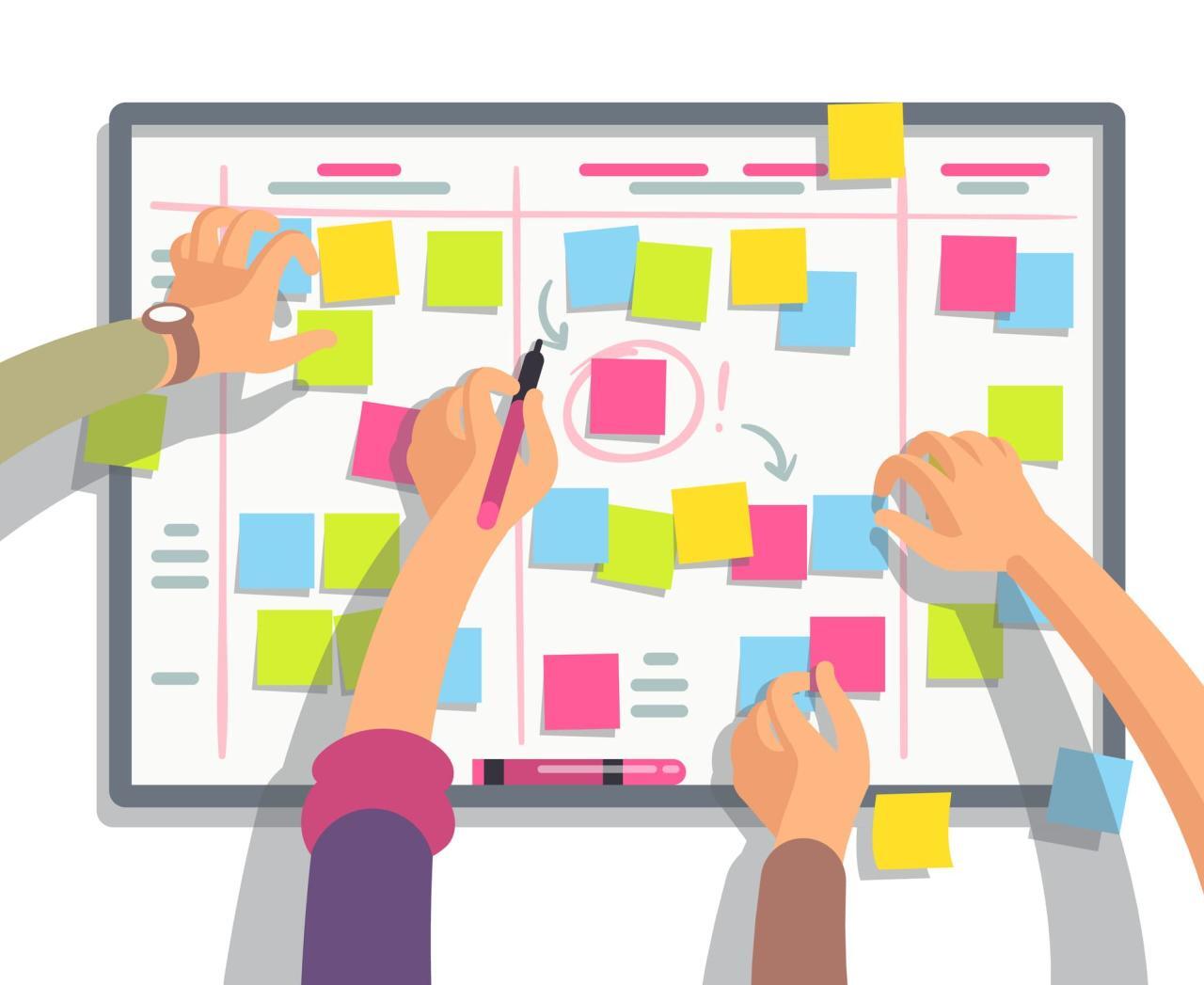
Effective project management hinges on meticulous task prioritization and scheduling. This crucial phase ensures that efforts are focused on the most critical tasks, leading to timely completion and successful project delivery. Prioritization determines the order of work, while scheduling defines the timeframe for each task, thereby aligning resources and timelines.Prioritizing tasks involves considering both their importance and urgency.
Understanding these factors allows managers to allocate resources and effort efficiently. A well-defined schedule, incorporating realistic time estimations, is essential for tracking progress and identifying potential delays. Mind mapping provides a visual representation of these tasks, their dependencies, and their position within the overall project timeline.
Task Prioritization Methods
Understanding the importance and urgency of tasks is fundamental to effective prioritization. A common method is the Eisenhower Matrix, also known as the Urgent-Important Matrix. This tool categorizes tasks into four quadrants: urgent and important, important but not urgent, urgent but not important, and neither urgent nor important. Prioritizing tasks based on this framework ensures that crucial activities receive immediate attention while less critical tasks are scheduled for appropriate intervals.
Defining Deadlines and Time Estimations
Assigning realistic deadlines and time estimations to each task is crucial for effective project management. This involves considering factors like task complexity, resource availability, and potential obstacles. Detailed task descriptions help in accurately estimating the time required. A clear understanding of dependencies between tasks aids in establishing realistic deadlines.
Task Dependencies on a Mind Map
Visualizing task dependencies is essential for project success. A mind map allows for representing tasks and their interrelationships clearly. Connecting tasks visually with arrows or lines indicates dependencies, showing the flow of work and preventing conflicts. This representation makes the project’s critical path easily discernible.
Mind Map Example: Task Prioritization and Scheduling
A mind map illustrating task prioritization and scheduling for a software development project would have a central theme “Software Development Project.” Major branches would represent key project phases like “Requirements Gathering,” “Design,” “Development,” “Testing,” and “Deployment.” Sub-branches under each phase would list individual tasks, such as “Define user stories,” “Create database schema,” “Write unit tests,” “Perform user acceptance testing.” Each task would be further categorized with its priority level (high, medium, low) and estimated completion time.
Dependencies would be shown using connecting lines, for example, the “Write unit tests” task would depend on the “Develop modules” task.
Project Task Management Mind Map with Critical Path Analysis
A comprehensive mind map for project task management would encompass the entire project lifecycle. The central theme could be “Project X.” Branches would represent project phases, with sub-branches detailing tasks. Using colors or different shapes, tasks could be highlighted based on their criticality. A critical path analysis would identify the sequence of tasks that determines the project’s overall duration.
This path would be visually distinguished on the mind map to highlight the tasks that must be completed on time for the entire project to be finished within the planned time frame. This would involve tasks with the longest total duration from project start to finish.
Resource Allocation and Management
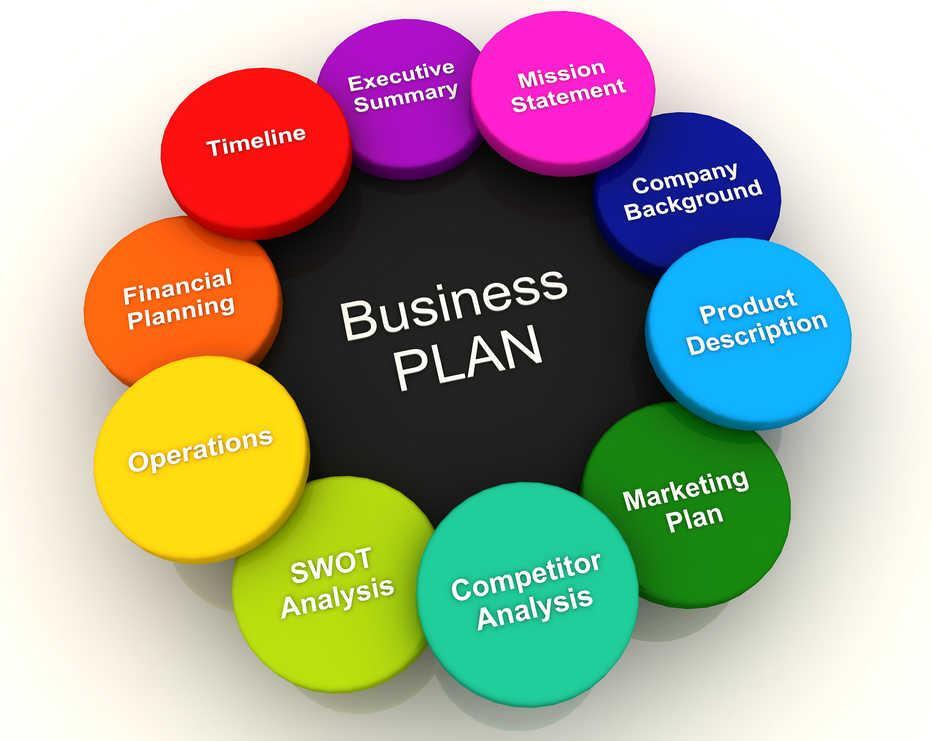
Effective resource allocation is critical for successful project completion. Proper identification and management of personnel, materials, and budget are essential for staying on schedule and within budget constraints. A well-defined resource plan allows for better coordination and avoids potential bottlenecks or conflicts. This section details methods for identifying, allocating, managing, and tracking resources within a project’s mind map.Identifying and allocating resources for each task on a mind map involves a thorough understanding of the tasks themselves and the required resources.
Each task should be clearly linked to the specific resources needed, ensuring all necessary elements are readily available when required.
Identifying Project Resources
A crucial initial step is to identify the various resources required for each task within the project. This includes personnel with the necessary skills and expertise, materials such as software, equipment, and supplies, and the financial budget allocated for the project. Carefully considering the skills and experience of each team member is essential. This involves understanding the specific tasks each team member is capable of handling, considering their current workload, and their availability.
Personnel Allocation
This involves assigning the right individuals to specific tasks based on their skills and experience. Consider each team member’s current workload and availability to avoid over-scheduling. The mind map can visually represent these assignments, connecting specific personnel to the relevant tasks. For example, a task requiring specialized software expertise would be linked to a team member proficient in that area.
Material Allocation
Identifying and allocating necessary materials, such as software licenses, hardware, or specific equipment, is crucial. Materials should be meticulously planned and linked to specific tasks on the mind map, ensuring sufficient quantities are available. This helps avoid delays due to resource shortages.
Budget Allocation
Allocating the budget to different project tasks on the mind map is a key aspect of resource management. A table can be used to visualize this allocation, connecting specific tasks to the allocated budget. For instance, a task requiring specialized equipment might have a higher allocated budget compared to a task requiring basic supplies. The table clearly illustrates the budget assigned to each task, offering a visual representation of the project’s financial constraints.
| Task | Personnel | Materials | Budget |
|---|---|---|---|
| Software Development | Software Engineer A, B | Software License, Development Tools | $10,000 |
| Testing | QA Tester C, D | Testing Software | $5,000 |
| Deployment | Deployment Team | Servers, Network Connections | $2,000 |
Resource Tracking and Monitoring
Tracking resource usage is essential for monitoring project progress. The mind map can be used to visually track progress and identify potential issues early on. This includes monitoring personnel hours, material consumption, and budget expenditure. Progress can be tracked through milestones and regular reports, highlighting areas of concern. This allows for proactive adjustments to resource allocation and project timelines.
Mind Map Example: Resource Allocation for a Sample Project
(A visual mind map illustrating resource allocation for a sample project would be presented here. Unfortunately, I cannot create images. The mind map would show tasks branching out from a central project title, with each task linked to the specific personnel, materials, and budget allocated. Visual connections would demonstrate the dependencies between tasks and resources.)
Visual Representation of Budget Allocation
(A visual representation, such as a bar chart or a pie chart, would be shown here, demonstrating how the budget is allocated across different project tasks. Again, I cannot create images. The chart would visually display the budget allocation for each task, providing a clear overview of the project’s financial resources.)
Risk Assessment and Mitigation
Identifying and proactively addressing potential risks is crucial for project success. A robust risk assessment process helps anticipate challenges, develop mitigation strategies, and maintain project momentum. By understanding potential problems and formulating contingency plans, teams can navigate uncertainties and achieve desired outcomes.
Identifying Potential Risks and Challenges
A comprehensive risk assessment begins with a thorough identification of potential risks and challenges that could impact the project. These risks can stem from various sources, including external factors like economic downturns or regulatory changes, and internal factors like resource constraints or team conflicts. The identification process should involve brainstorming sessions with project stakeholders, including team members, clients, and subject matter experts.
A systematic approach to identifying risks, considering different perspectives, and documenting them is essential for a complete picture of potential obstacles.
Evaluating Risk Impact and Likelihood
Assessing the impact and likelihood of each identified risk is critical for prioritizing mitigation efforts. A qualitative or quantitative approach can be employed to evaluate the potential impact. Qualitative assessments often use descriptive terms like “high,” “medium,” or “low” to categorize the impact and likelihood. Quantitative assessments use numerical data to represent the impact and likelihood, enabling a more precise evaluation.
The impact and likelihood of a risk can be evaluated by considering factors such as the potential cost of failure, the potential delay in project completion, and the probability of the risk occurring. A risk register is a crucial tool to document and track identified risks and their impact and likelihood.
Developing Mitigation Strategies and Contingency Plans
Effective risk mitigation strategies aim to reduce the likelihood of a risk event occurring or to minimize the impact of a risk event if it does occur. Mitigation strategies should be tailored to the specific risk and should include actions to prevent, reduce, or transfer the risk. Contingency plans Artikel the actions to be taken if a specific risk event occurs.
A well-defined contingency plan should include specific roles and responsibilities, timelines, and resource allocation. The development of mitigation strategies and contingency plans should be a collaborative effort involving all stakeholders to ensure buy-in and implementation.
Mind Map Example: Risk Assessment for a Software Development Project
[Visual representation of a mind map cannot be provided in text format.]A mind map for a software development project would visually represent potential risks like delays in development, unforeseen technical challenges, or difficulties in user acceptance testing, and their corresponding mitigation strategies. For example, a branch from “Delay in Development” could include mitigation strategies like using agile methodologies, employing a dedicated testing team, or securing backup resources.
Risk Assessment Process for a Specific Project (Example)
| Risk | Impact | Likelihood | Mitigation Strategy | Contingency Plan |
|---|---|---|---|---|
| Project Budget Overrun | High | Medium | Secure additional funding, optimize resource allocation | Adjust project scope, renegotiate contracts, identify cost-saving measures |
| Unexpected Regulatory Changes | High | Low | Monitor regulatory updates, engage legal counsel | Develop alternative compliance strategies, re-evaluate project timelines |
| Key Personnel Departure | Medium | Low | Implement robust knowledge transfer procedures, identify backup personnel | Assign backup roles, expedite training, and create handover documents |
This table provides a simplified example. A real-world risk assessment would require a detailed analysis of each risk factor and a more comprehensive approach to mitigation strategies.
Communication and Collaboration

Effective communication and collaboration are paramount to the success of any complex project. They facilitate seamless information flow, foster a shared understanding of goals, and encourage team members to work cohesively toward project objectives. Strong communication channels ensure that all stakeholders are informed and aligned, minimizing potential misunderstandings and conflicts. Collaboration, in turn, leverages the diverse skills and perspectives within the team, leading to more innovative solutions and efficient project execution.Robust communication and collaboration strategies are essential to navigating the complexities of a large-scale project.
They create a platform for open dialogue, shared decision-making, and proactive problem-solving. This fosters a sense of collective ownership and responsibility, ultimately contributing to project success.
Importance of Communication Channels
Clear communication channels are vital for the smooth operation of any project. They ensure that information flows efficiently and effectively between all project participants. This prevents information silos, promotes transparency, and reduces the risk of misinterpretations. Establishing clear channels from the outset minimizes potential conflicts and confusion, ensuring that everyone is working toward the same goals.
Strategies for Establishing Clear Communication Channels
Establishing clear communication channels requires a structured approach. This includes defining roles and responsibilities for communication, designating specific communication channels for different types of information, and setting clear guidelines for communication frequency and format.
- Designated Communication Channels: Implement various channels, such as project management software (e.g., Asana, Trello), email lists, instant messaging platforms (e.g., Slack, Microsoft Teams), and dedicated project meetings. This ensures that critical updates, task assignments, and progress reports reach the right individuals promptly.
- Regular Check-ins: Establish consistent meeting schedules for project updates, problem-solving, and progress reviews. This enables proactive identification and resolution of issues before they escalate. Regular check-ins ensure alignment and promote open dialogue among team members.
- Clear Communication Protocols: Define clear protocols for communication, including response times, acceptable communication formats, and the handling of urgent requests. A standardized approach reduces ambiguity and ensures timely responses.
Incorporating Communication and Collaboration into the Mind Map
A well-structured mind map can visually represent communication pathways and key stakeholders. This aids in identifying potential bottlenecks and ensuring that all relevant individuals are involved in the communication process. It also allows for the visualization of collaborative tasks and milestones, which helps in coordinating efforts effectively.
Mind Map Example: Communication Pathways and Stakeholders
The mind map below illustrates communication pathways and key stakeholders for a software development project. The central idea is “Software Development Project.” Branching out from this are key stakeholders (e.g., Project Manager, Developers, QA Team, Client). Further branches depict communication channels (e.g., daily stand-ups, progress reports, client meetings).
Example Mind Map:
Software Development Project
-Project Manager
-Developers
-QA Team
-Client
-Communication Channels
-Daily Stand-ups
-Progress Reports
-Client Meetings
Visualizing Collaboration Tasks and Milestones
Representing collaboration tasks and milestones on the mind map can be done using color-coding, icons, and task dependencies. For instance, tasks can be represented by different colored shapes (e.g., green for completed, yellow for in progress, red for pending). Connecting tasks visually can show their dependencies and the flow of work. Milestones can be marked with specific symbols or icons.
Project Monitoring and Control

Project monitoring and control are crucial for successful project completion. They involve systematically tracking progress, identifying deviations from the plan, and taking corrective actions to ensure the project stays on track, within budget, and delivers the desired outcomes. This proactive approach minimizes risks and maximizes the likelihood of achieving project objectives.
Importance of Monitoring Project Progress
Regularly monitoring project progress against the planned schedule and budget is essential. This allows for early detection of potential problems and provides opportunities for timely adjustments. By proactively addressing issues, project teams can avoid costly and time-consuming delays or even project failure. Early identification of discrepancies allows for more efficient resource allocation and prevents escalation of problems.
Tracking Progress and Identifying Deviations
A robust tracking system is vital for monitoring project progress. This involves regularly collecting data on key project metrics such as task completion, resource utilization, and cost incurred. Regular status reports, progress meetings, and performance dashboards are vital tools for maintaining visibility. Deviations from the project plan are identified by comparing actual progress against the planned schedule and budget.
These deviations can arise from various factors, including unexpected delays, resource constraints, or changes in project scope. Implementing a system for recording and analyzing these deviations is critical for understanding their root causes.
Methods for Making Adjustments and Taking Corrective Actions
Identifying deviations is only the first step. Corrective actions must be developed and implemented promptly. The chosen method depends on the nature and severity of the deviation. Possible actions include adjusting timelines, reallocating resources, revisiting the project scope, or implementing contingency plans. Effective communication and collaboration are paramount during this phase.
All stakeholders must be informed about the changes and their rationale.
Mind Map Demonstrating the Monitoring and Control Process
The monitoring and control process can be visually represented through a mind map. The central idea would be “Project Monitoring and Control.” Branching from this central theme would be s like “Progress Tracking,” “Deviation Analysis,” “Corrective Actions,” and “Stakeholder Communication.” Each would further elaborate on the specific procedures and tools used in each stage. For example, under “Progress Tracking,” you might include Gantt charts, project management software, and regular status meetings.
This visual representation aids in understanding the interdependencies between various components of the process.
Mind Map Illustrating a Feedback Loop for Project Adjustments and Improvements
A feedback loop for project adjustments and improvements is a crucial component of monitoring and control. This loop would consist of a cycle starting with monitoring project progress, identifying deviations, analyzing the causes, developing corrective actions, implementing the actions, and finally evaluating the effectiveness of the implemented changes. The evaluation stage is critical as it provides insights for future project improvements.
Continuous monitoring and evaluation allow for the adaptation and refinement of processes. This iterative approach ensures the project remains aligned with evolving needs and objectives. The mind map would visualize this feedback loop with arrows connecting each stage, emphasizing the continuous nature of the process. For example, if a particular resource allocation strategy is not yielding the expected results, this would trigger a feedback loop that involves re-evaluating resource allocation and potentially adjusting the strategy.
Final Thoughts

In conclusion, employing mind maps for complex project planning offers a structured and visual approach to success. By meticulously outlining project scope, prioritizing tasks, allocating resources, and anticipating risks, you empower your team to navigate the intricacies of large-scale endeavors. This guide has equipped you with the necessary frameworks for effective project management, ultimately ensuring that your projects are not only completed but also delivered with excellence.