Embark on a journey to organize your annual reading list like never before! This comprehensive guide provides a structured approach to crafting and visualizing your reading goals. By utilizing the power of mind mapping, you can transform a potentially overwhelming list into a dynamic, visual representation of your literary pursuits. This method will help you effectively prioritize, track, and reflect on your reading experience throughout the year.
This guide details the crucial steps involved in creating a personalized mind map for your reading list, from defining your reading goals and selecting relevant books to incorporating notes, summaries, and visual cues. We’ll also explore different mind mapping styles and tools, providing practical examples and comparisons to help you find the perfect fit for your needs.
Defining a Reading List
A comprehensive annual reading list is a valuable tool for personal growth and intellectual exploration. It allows you to intentionally engage with diverse subjects and ideas, aligning your reading with your goals and interests. This structured approach enhances comprehension and fosters deeper connections with the material.Defining your reading list is not simply about compiling a list of books; it’s a deliberate process of prioritizing and organizing your reading material.
By considering various factors such as personal preferences, learning objectives, and available time, you can create a meaningful and impactful reading experience.
Methods for Defining a Comprehensive Reading List
Creating a reading list involves more than just selecting titles; it’s about strategically organizing your choices. A thoughtful approach to categorizing your books can lead to a more focused and fulfilling reading experience.
- Thematic Approach: This method organizes books around specific themes or subjects. For example, if you’re interested in environmental sustainability, your list might include books on climate change, renewable energy, and ecological restoration. This approach fosters a deeper understanding of a particular area of interest.
- Genre-Based Approach: This approach focuses on specific genres, such as historical fiction, science fiction, or biographies. This allows for exploration of different writing styles and perspectives within a preferred genre. For instance, if you enjoy historical fiction, you might explore books set in different eras or covering various historical events.
- Skill-Building Approach: This approach prioritizes books that enhance specific skills, such as critical thinking, communication, or research. This is particularly beneficial for professionals aiming to develop their skill sets. For example, a skill-building list might include books on negotiation, effective communication, or problem-solving techniques.
Prioritizing Books Based on Personal Preferences and Learning Outcomes
Effective prioritization ensures your reading list aligns with your individual preferences and goals. This involves carefully considering your anticipated learning outcomes from each book.
- Personal Interests: Identify subjects and topics that genuinely pique your interest. Books on these topics will likely be more engaging and impactful.
- Learning Objectives: Define specific learning outcomes for your reading. What knowledge or skills do you hope to gain from each book? This helps in prioritizing books that directly address your objectives.
- Time Constraints: Acknowledge your available time for reading. Prioritize books that you can realistically complete within your timeframe. For instance, if you have a limited time, choose shorter books or those with easily digestible content.
Different Approaches to Creating a Reading List
This section Artikels the various approaches to structuring your reading list.
| Approach | Description | Benefits |
|---|---|---|
| Thematic | Organize books around a central theme or subject. | Provides in-depth exploration of a specific area of interest. |
| Genre-Based | Focus on specific genres, like science fiction, historical fiction, or biographies. | Enhances understanding of diverse writing styles and perspectives. |
| Skill-Building | Prioritize books that improve specific skills. | Develops practical skills directly applicable to professional or personal life. |
Visualizing the Reading List
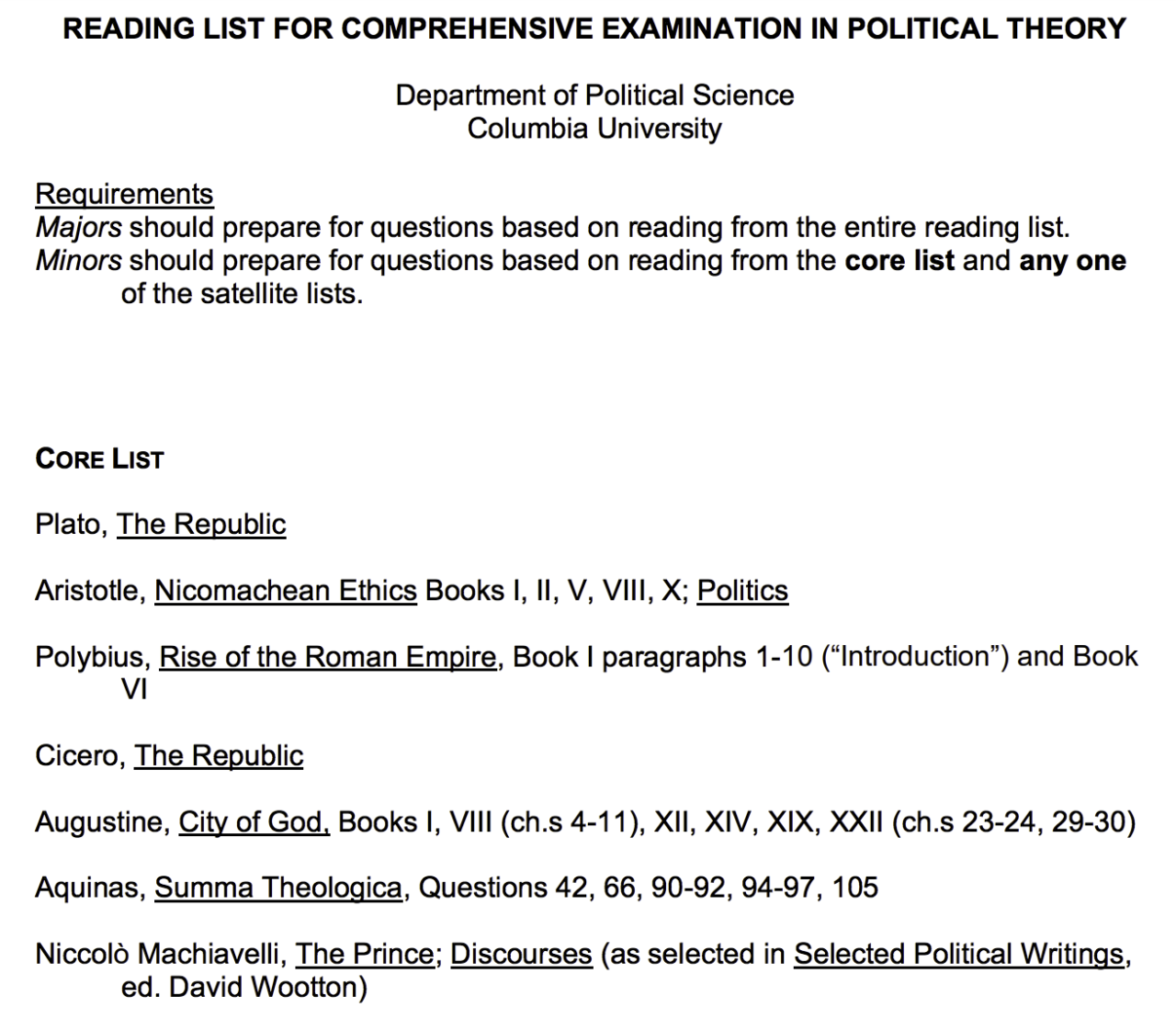
A well-defined reading list is only the first step. Transforming this list into a visually engaging and easily navigable format is crucial for maximizing comprehension and retention. A mind map provides an ideal structure for this visualization, allowing readers to connect concepts, authors, and genres in a dynamic and intuitive way.Mind maps facilitate a comprehensive understanding of the reading material by connecting seemingly disparate pieces of information, promoting a more holistic approach to learning and enabling deeper engagement with the subject matter.
Creating a Mind Map
A mind map visually represents a reading list by organizing books around a central theme or concept. This central idea is the core of the map, with branches extending outwards to represent different categories of books. Sub-branches can then delineate specific books within these categories, further enriching the visualization.
Advantages of Mind Mapping
Mind mapping offers several advantages for organizing and remembering books. It promotes active recall, as the act of creating and visualizing the connections between books strengthens memory retention. Furthermore, the visual nature of mind maps aids in quickly identifying patterns and relationships within the reading list, enabling users to understand the overall structure and interconnections between different books.
The ability to categorize and group books allows for a more focused and organized approach to learning and understanding the subject matter.
Categorizing Books
To create a robust mind map, categorize books effectively. Themes, authors, or genres can all serve as effective organizing principles. For example, if your reading list centers on the history of the American West, a mind map might have “American West” as the central theme. Branches could then represent specific eras (e.g., “Early Settlement,” “Gold Rush”), authors writing about the West, or specific genres like historical fiction or biographies.
Sub-branches would then contain the individual book titles. The key is to choose categories that naturally group related books, facilitating the identification of connections and patterns.
Mind Map Styles
Different mind map styles can be tailored to various reading lists. A radial style, where branches radiate outwards from a central theme, is useful for broad overview and interconnecting themes. A hierarchical style, using nested branches, can be more useful for detailed exploration of specific areas. Consider the complexity of your reading list when selecting the most appropriate style.
For instance, a simpler reading list focused on a specific author might benefit from a hierarchical style.
Examples of Mind Map Styles
Consider these examples:
- A mind map on “Contemporary American Poetry” could use a radial structure, with “Contemporary American Poetry” at the center, and branches representing different schools of thought (e.g., “Beat,” “Langston Hughes,” “Feminist”).
- A mind map on “World History” might use a hierarchical structure, with “World History” at the center, branches representing different continents, sub-branches for specific time periods (e.g., “Ancient Rome,” “Medieval Europe”), and individual books on these topics listed below.
Mind Mapping Tools
Numerous tools are available for creating mind maps. Their suitability depends on individual preferences and technical expertise.
| Tool | Features | Suitability |
|---|---|---|
| MindManager | Advanced features, robust organization, collaboration options. | Suitable for complex projects and large reading lists. |
| XMind | User-friendly interface, various export options, collaboration features. | Good for both beginners and experienced users. |
| FreeMind | Open-source, lightweight, easy to use. | Suitable for simple projects and basic mind map creation. |
| Mindomo | Cloud-based, collaborative features, versatile templates. | Ideal for collaborative projects and online access. |
Structuring the Mind Map
A well-structured mind map is crucial for navigating a comprehensive reading list effectively. It allows for easy identification of connections between books and facilitates a more focused and insightful reading journey. This section will detail the process of organizing your reading list using branches and sub-branches, demonstrating how to connect related books, and incorporating visual aids for a clear and engaging representation.Proper structuring of the mind map is essential for a successful reading experience.
The organization mirrors the connections between the books, making the reading list less like a random collection of titles and more like a coherent path of discovery. A well-organized mind map aids in understanding the interrelationships between different books and concepts, leading to a more enriching learning process.
Organizing the Reading List
A systematic approach to organizing the reading list using branches and sub-branches is vital. The central idea of the mind map should be the overarching theme or goal of your reading project. Branching out from this central idea are major themes, which are further broken down into sub-themes. Books are then placed on the branches and sub-branches that correspond to their respective themes.
This hierarchical structure allows for a clear visualization of the connections between books.
Connecting Related Books
Connecting related books within the mind map strengthens the understanding of the overall reading list. Identify common themes, authors, genres, or concepts that link different books. Draw branches from the central theme to connect these related books. For example, if you are reading about the history of the American Civil War, you might have a branch titled “Political Factors,” with sub-branches for “Lincoln’s Policies,” “Southern Secession,” and “Abolitionist Movements.” Each of these sub-branches could contain the relevant books that delve into these aspects.
Using Colors and Images
Visual aids enhance the mind map’s effectiveness. Assign colors to different themes or genres. For instance, all books about history could be represented by a specific shade of blue, while books on literature could be represented by a different shade of green. Images can further personalize the mind map. For example, a small image of a book cover or a symbol representing a particular theme could be used to visually represent the book or theme.
A book on the American Revolution might be represented by a small image of the Liberty Bell. By using these visual elements, the mind map becomes more memorable and engaging.
Creating Interconnected Nodes
Interconnected nodes in the mind map represent relationships between different books. If two books share a common author, theme, or historical context, use connecting lines or links to visually connect them. For example, if both books cover the causes of the American Civil War, draw a line between them to emphasize the relationship. This visual representation underscores the interconnections between different books and themes.
Creating a Visual Reading Journey
The completed mind map should clearly represent your reading journey. It should visually demonstrate how the different books relate to each other and how they contribute to the overall understanding of your chosen subject. This visualization helps in prioritizing books, understanding their relevance, and maintaining focus throughout the reading process. It provides a framework to navigate the reading list and understand the overall learning objectives.
Implementing the Mind Map
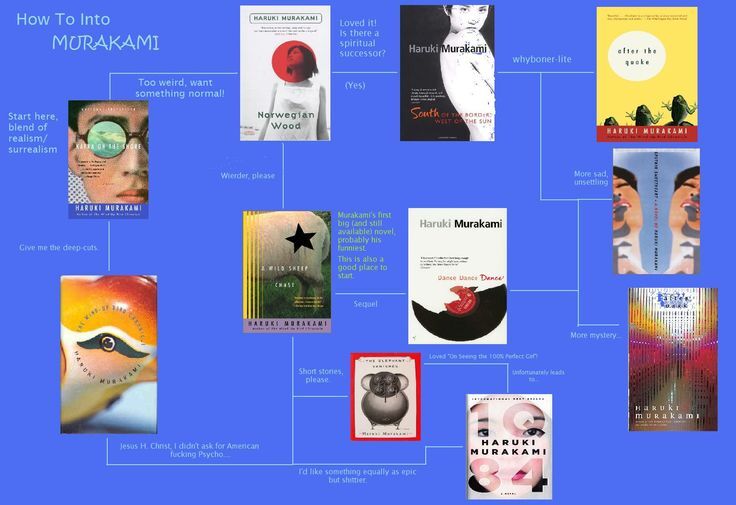
Implementing your mind map is the crucial stage where your reading journey truly takes shape. It’s not just about creating a visual representation; it’s about actively engaging with your chosen books and effectively tracking your progress. This section provides a practical framework for leveraging your mind map as a dynamic tool for efficient reading and reflection.
Creating a Detailed Progress Tracking Plan
A well-structured plan is essential for effectively utilizing your mind map. Begin by assigning specific time slots for each reading session, considering factors like your reading speed and the complexity of the texts. Consider creating a schedule that accounts for different reading types, such as skimming for background information or in-depth study. This plan should incorporate breaks and allow for adjustments as needed, adapting to unforeseen circumstances or changes in reading pace.
Scheduling Reading Sessions Based on the Mind Map Structure
The structure of your mind map provides a clear roadmap for your reading schedule. Allocate specific time blocks for different sections of your reading list, focusing on topics that require more in-depth study. Prioritize books that align with immediate goals or deadlines. Ensure that you incorporate sufficient time for reflection and note-taking within each session. A balanced approach to scheduling prevents burnout and maximizes comprehension.
Strategies for Marking Progress on the Mind Map
Various methods can be used to track progress on your mind map. Use different colored markers or highlighters to indicate completed sections, signifying the completion of a book or a chapter. Use symbols or icons to represent different stages of understanding, such as a checkmark for comprehension or a question mark for areas requiring further research. This visually engaging method ensures accountability and provides a clear overview of your reading journey.
Identifying Potential Reading Challenges
- This table helps proactively address potential roadblocks in your reading journey. By anticipating challenges, you can proactively develop strategies to overcome them, ensuring a smoother and more fulfilling reading experience. Identifying potential challenges early on allows for better resource allocation and preparation.
| Potential Reading Challenge | Possible Causes | Strategies for Overcoming |
|---|---|---|
| Difficulty Understanding Complex Concepts | Dense writing style, unfamiliar terminology, lack of background knowledge | Use online dictionaries, consult supplementary resources (e.g., academic journals), break down complex passages into smaller sections, discuss with peers or mentors |
| Maintaining Motivation and Focus | Lack of clear goals, overwhelming reading list, distractions | Establish short-term goals, prioritize reading sessions, create a dedicated reading space, utilize focus techniques like the Pomodoro Technique |
| Time Management Issues | Inconsistent schedule, inadequate time allocation, unexpected interruptions | Use time management tools, create a reading schedule, set realistic reading goals, identify and eliminate time-wasting activities |
| Information Overload | Excessive amount of information, lack of focus | Use note-taking strategies, prioritize key information, summarize key ideas, create a system for organizing notes |
Reflecting on the Reading Experience
Regular reflection is crucial for consolidating learning and maximizing the impact of your reading. After each reading session, take time to reflect on what you’ve learned, identify key takeaways, and jot down questions or areas that require further investigation. Use your mind map as a tool to record your reflections, connecting your notes and thoughts to specific readings.
This process not only solidifies comprehension but also helps identify areas where further study might be beneficial.
Enhancing the Mind Map
Refining your mind map is crucial for maximizing its effectiveness as a personalized reading companion. By incorporating notes, summaries, and visual cues, you can transform your reading list from a simple compilation to a dynamic learning tool. This section details strategies for enriching your mind map, fostering deeper understanding, and establishing connections between the books and your personal goals.Expanding your mind map beyond basic book titles involves integrating relevant details.
This transformation allows for deeper engagement with the material, enabling you to effectively synthesize information and create meaningful connections.
Incorporating Notes, Summaries, and Quotes
Adding notes, summaries, and quotes directly onto your mind map significantly enhances its value. This process transforms your mind map into a dynamic record of your learning journey. Instead of simply listing books, you’re actively engaging with their content. Quotes can encapsulate key ideas, and summaries offer concise overviews of each book’s core arguments. This practice deepens your comprehension and fosters lasting recall.
- Notes: Detailed notes on each book, including key concepts, arguments, and personal reflections, can be placed directly on branches connected to the book title. For example, under “The Power of Habit,” you might add notes on the habit loop and its application in different contexts.
- Summaries: Concise summaries of each book, highlighting the main themes and conclusions, are a valuable addition. These can be brief bullet points or short paragraphs. For instance, under “Thinking, Fast and Slow,” you might summarize the distinction between System 1 and System 2 thinking.
- Quotes: Include insightful quotes that resonate with you or encapsulate key ideas. This technique adds depth and memorable elements to your mind map. For instance, a quote from “Sapiens” about the cognitive revolution could be included under the corresponding branch.
Adding Visual Cues and Symbols
Visual cues and symbols can make your mind map visually engaging and easier to navigate. They add a layer of meaning beyond the text, enabling you to quickly grasp connections and recall information. These elements contribute to a richer learning experience.
- Color Coding: Assign different colors to represent different themes or genres. For instance, you might use green for self-help books, blue for history, and red for science fiction. This visual organization significantly improves the overall structure and organization of your mind map.
- Icons and Symbols: Use icons or symbols to represent specific ideas or concepts within a book. A question mark might indicate areas for further research, a star might denote a particularly insightful idea, or a clock might highlight a book relevant to time management.
- Shapes and Images: Employing shapes and images related to the book’s content can further enhance visual appeal and engagement. For example, a diagram of the human brain could be included in a branch relating to cognitive psychology books.
Identifying Connections Between Books
Mind maps excel at illustrating connections between seemingly disparate ideas. This feature is particularly useful when exploring how different books complement or challenge one another.
- Cross-Referencing: Create links or connections between related books on your mind map. For example, if one book explores the impact of technology, and another explores its social implications, a line could be drawn connecting the two titles.
- Themes and Concepts: Highlight recurring themes or concepts across different books. This allows you to see how these themes develop and evolve across your reading list.
Connecting Reading to Personal Goals
Connecting your reading list to personal goals transforms it from a passive activity into a targeted pursuit. By aligning your reading choices with your ambitions, you can more effectively leverage the knowledge gained.
- Career Advancement: Identify books that align with your career aspirations and connect them to specific skills or knowledge you wish to acquire. For instance, you might link books on leadership to your goal of becoming a project manager.
- Personal Development: Link books related to personal development, such as self-improvement or mindfulness, to specific goals like stress reduction or relationship enhancement.
Integrating a Reading Log into the Mind Map
A reading log, integrated into the mind map, provides a comprehensive record of your progress.
- Date of Completion: Add a dedicated section to note the completion date for each book.
- Key Takeaways: Record key takeaways, reflections, and insights gained from each book.
- Action Items: List specific action items or next steps you plan to take based on your reading.
Mind Map Tools and Resources
Choosing the right mind mapping tool can significantly enhance your reading list organization and comprehension. Different tools offer varying features, catering to diverse needs and preferences. Understanding the advantages and disadvantages of each option will allow you to select the tool that best supports your individual workflow.Effective mind mapping software allows for visual organization of your reading list, enabling you to easily connect ideas, identify themes, and track your progress.
This structured approach can be invaluable in improving comprehension and retention of the material.
Available Mind Mapping Software
A variety of mind mapping software and applications are available, each with unique strengths. Some are specifically designed for mind mapping, while others offer mind mapping functionality as part of a broader suite of productivity tools.
- FreeMind: A popular open-source mind mapping tool, FreeMind is known for its simplicity and ease of use. It provides basic features for creating and organizing mind maps, making it an excellent choice for beginners. It is platform-independent, meaning it can run on various operating systems, and is readily accessible to a broad user base. FreeMind offers basic features for creating and organizing branches, but it may lack the advanced features found in some paid alternatives.
- MindManager: A powerful mind mapping software, MindManager offers advanced features for organizing and visualizing complex information. It allows for detailed structuring, incorporating various symbols, shapes, and colors to represent different types of information and relationships. This comprehensive feature set is ideal for those managing large reading lists or complex research projects. MindManager is a paid tool, typically requiring a subscription or one-time purchase, which may be a deterrent for some users.
- XMind: XMind is another widely used mind mapping software, offering a robust set of features, including the ability to import and export data from various formats, such as Microsoft Word or Excel. It supports different visual elements, providing a visual representation of relationships between ideas. XMind has a user-friendly interface and is available in both free and paid versions, allowing users to choose a suitable option based on their needs.
The free version may have limited features compared to the paid version, which offers a wider array of tools and functionalities.
- Mindomo: Mindomo is a cloud-based mind mapping tool, providing accessibility across various devices. Its user-friendly interface and collaborative features make it suitable for team projects or shared reading lists. Its cloud-based nature means data is accessible from anywhere with an internet connection. Mindomo also offers a free version, though features might be limited, and a paid version unlocks additional functionalities.
Free vs. Paid Mind Mapping Software
Free mind mapping tools often offer basic features suitable for simpler tasks. Paid options, on the other hand, usually provide a wider array of functionalities, including advanced formatting options, collaboration features, and more storage space. Consider the scale of your reading list and your specific needs when evaluating whether a free or paid option is best.
- Free Options: FreeMind, for example, provides a robust foundation for basic mind mapping, making it suitable for individuals with straightforward reading lists. However, users seeking advanced features or collaboration might find the free version inadequate.
- Paid Options: MindManager, on the other hand, offers a wide range of features, from intricate visual representations to collaboration tools, making it ideal for managing complex reading lists and research projects.
Comparative Analysis of Mind Mapping Software
The following table summarizes key features and pricing of different mind mapping software options.
| Software | Key Features | Pricing |
|---|---|---|
| FreeMind | Basic mind mapping, platform independence | Free |
| MindManager | Advanced features, extensive customization | Subscription/One-time purchase |
| XMind | Robust features, import/export capabilities, visual elements | Free/Paid |
| Mindomo | Cloud-based, collaborative features | Free/Paid |
Creating a Mind Map with a Free Online Tool (Example: FreeMind)
FreeMind is a user-friendly open-source tool. To create a mind map, open FreeMind. The software presents a blank canvas. Click to create a central topic. Then, click to add s.
Use different branches to represent different aspects of your reading list. To add notes, simply click on the branches and add text. FreeMind supports various formatting options to create visually appealing maps. Saving your work is crucial. You can export your mind map to various formats.
Illustrative Examples
Mind mapping your reading list can be a powerful tool for organizing and engaging with your chosen material. These illustrative examples showcase how to apply the mind mapping technique to different approaches to reading, from exploring historical trends to developing essential skills. The visual nature of mind maps aids in understanding connections between topics and fostering a deeper comprehension of the material.This section delves into practical examples of mind maps, highlighting the flexibility and adaptability of this technique.
We’ll demonstrate how to create visual representations for various reading lists, tailored to different learning styles and objectives.
Mind Map for “The History of Technology”
A mind map for “The History of Technology” would begin with the central theme, “History of Technology.” Branching out from this central hub would be major periods or eras in technological development, such as the Stone Age, Bronze Age, Iron Age, and so on. Each era could then be further subdivided into specific technologies that emerged during that time.
For instance, under “Bronze Age,” you might have branches for bronze casting, weaponry, tools, and agricultural implements. Connecting branches would showcase the relationships between different technologies and their impacts on society. Color-coding different branches can help visually separate these key historical periods and their associated technologies.
Mind Map for “Science Fiction” Reading List
A mind map for a Science Fiction reading list, categorized by genre, would focus on the central theme “Science Fiction.” Primary branches could represent key subgenres, such as dystopian, utopian, space opera, cyberpunk, and hard science fiction. Subsequent branches would then list specific books or authors associated with each subgenre. Visual cues, such as icons or symbols, could be used to distinguish different subgenres.
For example, a rocket ship icon could represent the space opera subgenre. This approach enables quick identification and retrieval of specific science fiction titles by genre.
Mind Map for “Effective Communication”
A mind map for a reading list focused on “Effective Communication” would center on the theme “Effective Communication.” Key branches might represent different aspects of communication, like verbal, nonverbal, written, and visual communication. Subsequent branches would then list books or articles related to each aspect. For instance, under “Verbal Communication,” you might have branches for public speaking, active listening, and persuasive speaking.
Connecting branches would illustrate how these different aspects of communication relate to one another. This format helps to visualize the interconnectedness of communication skills and the different resources available for developing them.
Illustrative Examples of Mind Maps for Reading Lists
- Reading List for “Sustainable Development”: The central theme would be “Sustainable Development.” Branches could represent key areas like environmental sustainability, social equity, and economic viability. Sub-branches could list specific books, articles, and reports focusing on each area, and connections between them could show the interdependencies of the concepts. This map would help users understand the holistic approach required for achieving sustainable development goals.
- Reading List for “Business Strategy”: The central theme would be “Business Strategy.” Branches could represent key strategic frameworks like Porter’s Five Forces, SWOT analysis, and Blue Ocean Strategy. Sub-branches would then list books and articles that elaborate on these frameworks and offer case studies of successful implementation. This map allows a user to grasp the various frameworks and their practical applications in business contexts.
- Reading List for “Personal Finance”: The central theme would be “Personal Finance.” Branches could represent key areas like budgeting, investing, saving, and debt management. Sub-branches would list specific books or articles dedicated to each area, including practical tips and examples. This mind map helps users visualize the key aspects of personal finance and their interrelationships.
Final Summary
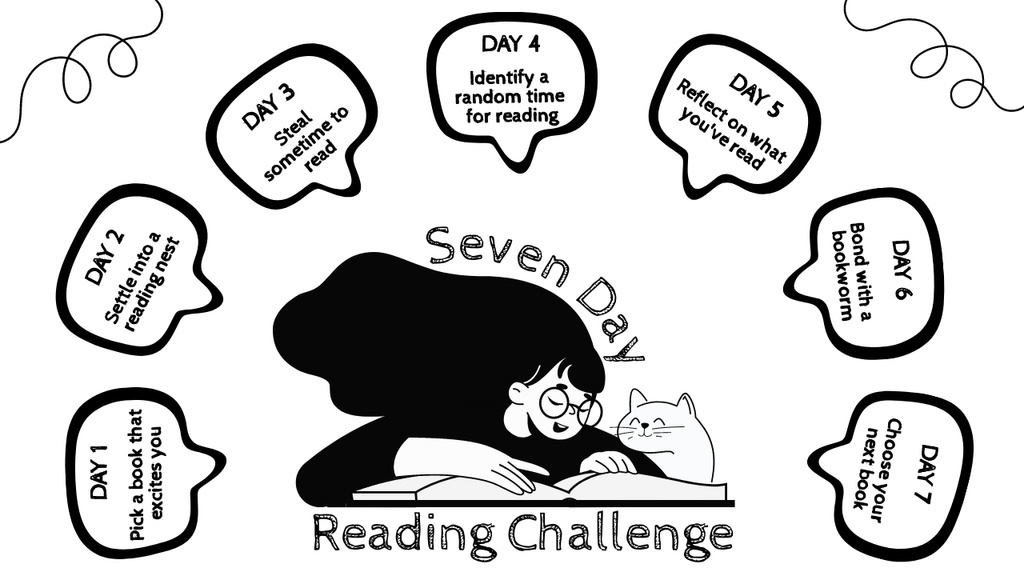
In conclusion, mastering the art of mind mapping your annual reading list empowers you to take control of your literary journey. This method allows you to visualize connections between books, track your progress, and enhance your overall reading experience. From defining your reading list to utilizing various mind mapping tools, this guide offers a comprehensive roadmap for maximizing your literary engagement.
We hope this guide inspires you to approach your reading list with newfound clarity and excitement.