Decluttering is a journey toward a more organized and peaceful life. This guide, “How to Declutter Your Life With a Mind Map,” provides a structured approach to tackling clutter in all its forms – physical, digital, and mental. We’ll explore the power of mind mapping as a visual tool for identifying, categorizing, and managing your possessions, relationships, and routines.
This practical methodology will empower you to create a clutter-free lifestyle.
Using mind maps, you’ll gain a comprehensive overview of your clutter sources, allowing you to identify patterns and triggers. By visually representing your belongings and tasks, you’ll develop strategies to implement change and maintain a clutter-free environment. From brainstorming to visualization, this guide is your complete roadmap to decluttering your life.
Introduction to Decluttering with Mind Maps

Decluttering is the process of reducing the number of possessions or items in one’s environment to create a more organized and manageable space. This often leads to a sense of calm, reduced stress, and improved focus. Benefits extend beyond the physical realm, impacting mental clarity and emotional well-being.Mind maps are visual tools that help organize thoughts, ideas, and information in a hierarchical and interconnected way.
They are particularly effective for brainstorming, planning, and problem-solving, making them invaluable for tackling complex projects and tasks. Using mind maps to visualize decluttering goals fosters a clear understanding of the scope and objectives.
Decluttering with Mind Maps: A Synergistic Approach
Mind maps offer a powerful framework for decluttering various aspects of life. By visually representing the different areas needing attention, individuals can develop a structured plan to address their clutter. This visual approach allows for a comprehensive overview, facilitating a more effective and sustained decluttering effort.
Mind Map Example for Decluttering a Home
A simple mind map for decluttering a home might have the central theme “Home Declutter.” Branches emanating from this central theme could represent different rooms (Kitchen, Bedroom, Living Room). Further branches within each room might specify items to declutter (Kitchen: Dishes, Appliances, Food; Bedroom: Clothes, Books, Accessories; Living Room: Furniture, Decorations, Toys). This visual structure aids in identifying the specific areas and items requiring attention.
Types of Clutter and Mind Map Solutions
This table illustrates how mind maps can be utilized to address various types of clutter, both physical, digital, and mental.
| Type of Clutter | Description | How Mind Maps Can Help |
|---|---|---|
| Physical Clutter | Excess possessions, overflowing storage spaces, unorganized items. | Mind maps can visually categorize items, prioritize decluttering tasks, and plan for efficient storage solutions. A mind map can detail the items to be removed, the items to be kept, and the best way to store the remaining items. |
| Digital Clutter | Unsorted files, overflowing email inboxes, unnecessary software, and cluttered online accounts. | Mind maps help categorize digital files, prioritize deleting unnecessary files, and plan for better organization of digital spaces. A mind map can categorize files by type, project, or date, and can help develop a strategy for efficient digital decluttering. |
| Mental Clutter | Unresolved problems, overwhelming thoughts, and negative self-talk. | Mind maps can help identify and visualize mental clutter, breaking down complex issues into manageable steps. By visually mapping out concerns, individuals can prioritize and tackle them effectively. Mind maps can assist in identifying the source of mental clutter, helping one to create strategies to address these concerns and gain mental clarity. |
Identifying Clutter Sources
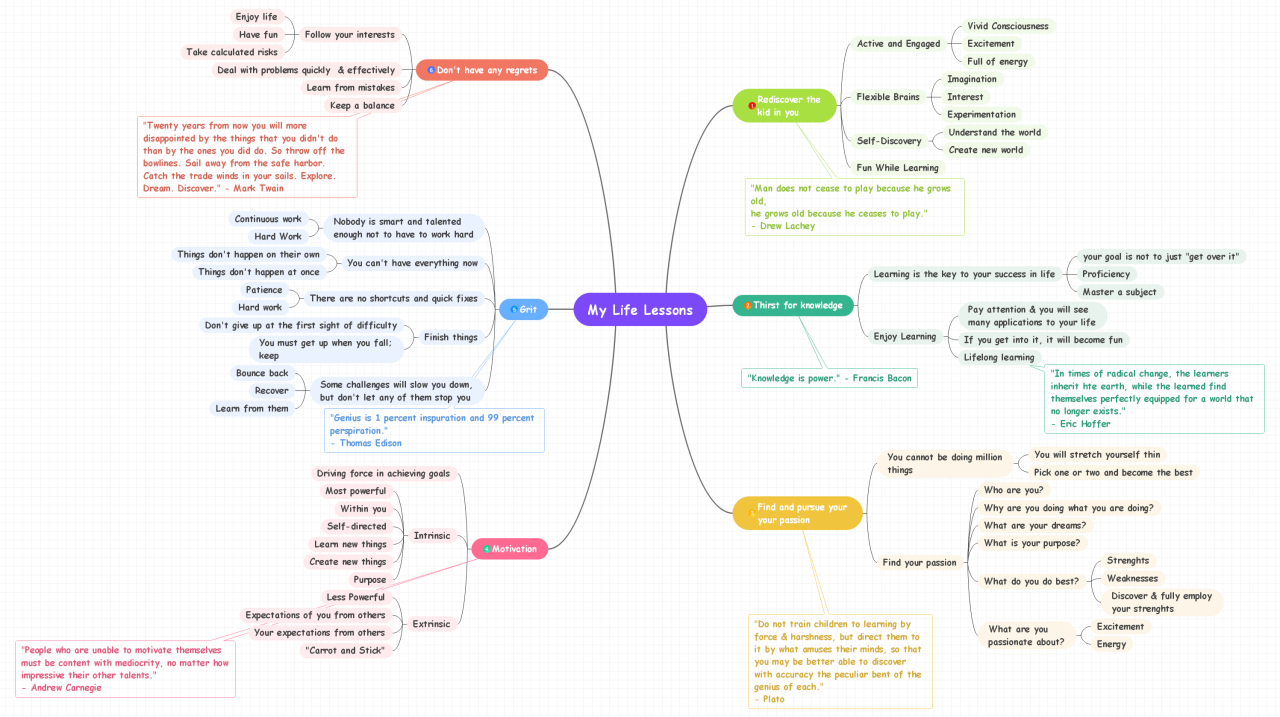
Understanding the origins of clutter is crucial for effective decluttering. Identifying these sources allows us to address the root causes rather than just the surface manifestations. This proactive approach leads to lasting organization and a more streamlined lifestyle.Identifying personal clutter triggers and patterns is a key step in the decluttering process. By recognizing these recurring themes, individuals can proactively implement strategies to prevent future clutter buildup.
Understanding what situations or emotions lead to accumulating items is essential for developing effective coping mechanisms.
Common Clutter Sources
Identifying the sources of clutter is vital for successful decluttering. Clutter isn’t just about physical items; it encompasses various aspects of life. Understanding these sources allows for a more holistic approach to organizing and simplifying.
- Physical Space: Overcrowding in living areas, lack of designated storage solutions, and inadequate organization systems are common contributors to physical clutter. A cluttered physical environment can lead to feelings of overwhelm and stress. Poor storage solutions and lack of designated areas for items contribute significantly to this issue. For instance, a disorganized closet or overflowing drawers can lead to a sense of disarray and contribute to a feeling of being overwhelmed.
- Digital Devices: Unsorted files, excessive downloads, and unorganized emails are significant sources of digital clutter. This digital clutter can lead to lost productivity and difficulty accessing necessary information. An unorganized digital space can be equally overwhelming as a messy physical space.
- Relationships: Clutter can also stem from relationship dynamics. Unresolved conflicts, unmet needs, or an overreliance on others can contribute to a sense of stagnation and accumulation. In some cases, people may hold onto items that represent past relationships or events, which can create further clutter.
- Routines: Unstructured routines, lack of time management, and poor habits can lead to accumulation of tasks, items, and commitments. These factors can make it challenging to maintain a sense of order and clarity. Poor time management can lead to missed deadlines, accumulation of tasks, and a subsequent feeling of being overwhelmed.
Recognizing Personal Clutter Triggers
Understanding personal clutter triggers is essential for implementing effective decluttering strategies. By pinpointing these triggers, individuals can address the underlying issues that contribute to clutter.
- Emotional Attachments: People often attach emotional value to certain items, making them reluctant to discard them. These attachments can stem from memories, sentimental value, or past experiences. Recognizing these emotional connections is crucial for making informed decisions about what to keep and what to let go of.
- Habitual Behaviors: Recurring patterns of acquiring or accumulating items can contribute to clutter. Identifying these habits allows for the development of alternative coping mechanisms or strategies to avoid repeating the cycle.
- Environmental Factors: The physical environment plays a role in clutter. Poor lighting, cramped spaces, or a lack of designated areas for items can lead to a sense of overwhelm and a tendency to accumulate items.
Distinguishing Necessary Items from Unnecessary Possessions
Clear differentiation between necessary items and unnecessary possessions is crucial for effective decluttering. This process requires careful consideration of each item’s true value and importance.
- Practical Usefulness: Assess the item’s current and potential future use. If an item hasn’t been used in a certain timeframe, or if it doesn’t serve a practical purpose, it might be unnecessary.
- Emotional Value: While emotional attachments are valid, determine if the emotional connection outweighs the practical value. If an item’s emotional value is superseded by its physical clutter effect, consider alternatives for managing those emotions.
- Current Needs: Evaluate if the item aligns with current lifestyle, needs, and goals. If not, it might be unnecessary to retain.
Clutter Categories
The following table Artikels various clutter categories and examples for each:
| Clutter Category | Examples |
|---|---|
| Sentimental Items | Photographs, letters, gifts, mementos |
| Outdated Items | Old clothes, expired products, broken appliances |
| Duplicate Items | Extra pairs of shoes, multiple copies of books |
| Unused Items | Unopened packages, unused tools, rarely used items |
| Paper Clutter | Old bills, receipts, junk mail |
Mind Map Example: Identifying Clutter Sources
(A visual mind map, unfortunately, cannot be displayed here. However, a typical mind map would have “Clutter Sources” as the central idea, branching out to “Physical Space,” “Digital Devices,” “Relationships,” and “Routines.” Each branch would then have sub-branches representing specific causes of clutter within that category, such as “Overcrowding,” “Unsorted Files,” “Unresolved Conflicts,” and “Poor Time Management.”)
Creating a Mind Map for Decluttering

A mind map is a visual tool that can significantly aid in the decluttering process. By visually representing your clutter, you can identify patterns, prioritize items, and develop a structured approach to tackling the task. This structured approach makes the process less overwhelming and more manageable.Creating a mind map for decluttering involves several key steps, beginning with brainstorming and progressing to organization and categorization.
This method facilitates a clear understanding of the clutter, enabling targeted and effective decluttering strategies.
Brainstorming Clutter Items
Understanding the sources and types of clutter is crucial for effective decluttering. A brainstorming session can help you uncover hidden areas of clutter and understand the underlying reasons behind it. This comprehensive approach allows you to tackle the problem from multiple angles.
- Identify Categories: Begin by categorizing your clutter into broad areas like papers, clothing, electronics, or personal items. This initial categorization provides a framework for organizing the mind map and understanding the scope of the decluttering task.
- Gather Clutter Items: Collect all items that fall into each category. This physical gathering allows you to visually assess the quantity and types of clutter in each area. For example, you might gather all the papers from your desk, all the clothes in a specific drawer, or all the books in a bookshelf.
- Assess Each Item: Evaluate each item in your collected piles. Ask yourself: Is this item necessary? Is it useful? Is it sentimental? These questions will help you decide whether to keep, donate, sell, or discard the item.
By evaluating each item, you can make more informed decisions during the decluttering process.
Organizing the Mind Map
A well-organized mind map is crucial for effective decluttering. It provides a visual representation of the clutter, allowing you to understand the relationships between different items and identify patterns. This clear visualization aids in prioritizing items and developing an efficient decluttering plan.
- Central Idea: Start with a central idea representing the overall decluttering goal. For instance, the central idea could be “Declutter My Home.” This serves as the starting point for the mind map.
- Main Branches: From the central idea, create main branches representing the major categories of clutter identified in the brainstorming phase. These branches will be broad categories such as “Papers,” “Clothing,” or “Electronics.”
- Sub-Branches: Develop sub-branches under each main branch to further categorize the clutter. For example, under “Papers,” you could have sub-branches for “Bills,” “Receipts,” “Letters,” or “Notes.”
Connecting Related Clutter Items
Connecting related clutter items on the mind map helps you understand the patterns and relationships between different items. This allows you to see the overall scope of the clutter and develop a targeted decluttering strategy.
- Clustering: Group similar items under a specific branch or sub-branch. For example, all old bills could be clustered together under the “Bills” sub-branch. This visual clustering helps identify areas where you might have excessive accumulation.
- Linking: Link related items on the mind map using lines or connectors. For example, a link can connect “Bills” to “Payment Reminders,” highlighting the interconnectedness of these clutter types.
Categorizing Clutter Using Branches and Sub-Branches
Using different branches and sub-branches in a mind map allows for a detailed categorization of clutter. This structured approach enables a deeper understanding of the types and sources of clutter, aiding in developing a more effective decluttering plan.
- Main Branches: Main branches represent broad categories of clutter, like “Clothing,” “Books,” or “Kitchen Utensils.”
- Sub-Branches: Sub-branches provide further details within each main category. For instance, under “Clothing,” you might have sub-branches for “Shirts,” “Pants,” or “Accessories.”
- Further Sub-Branches: You can further refine the categories with even more specific sub-branches. For example, under “Shirts,” you could have sub-branches for “Formal Shirts,” “Casual Shirts,” or “T-Shirts.” This level of detail helps to identify and target specific areas of clutter.
Mind Map Symbols for Decluttering
Using symbols can enhance the visual appeal and understanding of your mind map. A clear and consistent use of symbols can make the decluttering process more efficient and intuitive.
| Symbol | Meaning |
|---|---|
| Checkmark (√) | Items to keep |
| X | Items to discard |
| Question Mark (?) | Items needing further evaluation |
| Star (*) | Items with sentimental value |
| Trash Can Symbol | Items to be discarded |
Implementing Decluttering Strategies

Implementing effective decluttering strategies is crucial for achieving lasting organization and reducing stress. A well-structured mind map, as previously discussed, provides a visual roadmap for this process, guiding you through each step with clarity and focus. By understanding and applying various decluttering methods, you can effectively manage your space and mental well-being.A comprehensive approach to decluttering integrates a clear understanding of your clutter sources, a meticulously crafted mind map, and the practical implementation of tailored strategies.
This section delves into the application of these strategies, emphasizing prioritization, adaptability, and integration into daily routines. This detailed exploration aims to equip you with the tools necessary for a successful decluttering journey.
Decluttering Strategies
Understanding various decluttering strategies allows you to tailor your approach to specific situations and personal preferences. Different methods resonate with different individuals, and recognizing their strengths and weaknesses is essential for successful implementation.
- The KonMari Method, developed by Marie Kondo, focuses on keeping only items that “spark joy.” This method emphasizes the emotional connection to possessions, encouraging you to let go of anything that no longer brings you happiness. It is often praised for its effectiveness in reducing emotional attachment to material items, though it can take time to cultivate the emotional awareness required.
- The “One In, One Out” Rule emphasizes a mindful approach to acquiring new items. For every new item brought into your home, one similar item must be discarded. This proactive strategy helps prevent accumulation and promotes conscious consumption.
- The “Designated Space” Approach involves creating specific areas for different items. This method fosters organization by assigning designated spaces for specific items, such as bookshelves for books, drawers for clothes, and specific areas for mail. Clear designation limits the spread of clutter and improves accessibility.
- The “Time-Based” Decluttering method focuses on dedicated time slots for decluttering. This approach is particularly beneficial for individuals with busy schedules. By dedicating specific time periods, you can maintain momentum and avoid feeling overwhelmed by the task.
Prioritizing Decluttering Tasks
Prioritization is key to maintaining momentum during a decluttering process. A well-structured mind map allows for clear identification of tasks based on their importance and urgency. Prioritizing tasks allows you to focus your efforts on the most critical areas, maximizing efficiency and minimizing stress.
- Use the mind map to categorize items based on their importance and urgency. High-priority items, such as items that directly impact your daily life or safety, should be addressed first.
- Use color-coding or visual cues on the mind map to quickly identify high-priority items. This ensures a clear and concise overview of your decluttering plan.
- Consider the impact of each task on your overall well-being and create a schedule that accommodates both short-term and long-term goals.
Comparing and Contrasting Decluttering Methods
Different decluttering methods offer varying approaches and benefits. The most effective method depends on individual circumstances and preferences. A comparison of common methods highlights their respective strengths and weaknesses.
| Decluttering Strategy | Pros | Cons |
|---|---|---|
| KonMari Method | Focuses on emotional connection; encourages mindful decisions; often leads to significant reduction in possessions. | Can be time-consuming; requires emotional awareness, which might be challenging for some individuals. |
| One In, One Out | Promotes mindful consumption; prevents accumulation; simple to implement. | Might not be suitable for all situations; might not be effective for everyone. |
| Designated Space | Encourages organization; improves accessibility; minimizes spread of clutter. | Requires dedicated space; might not be suitable for all types of items. |
| Time-Based | Maintains momentum; manageable for busy schedules; allows for gradual progress. | Requires discipline; might not be effective for all situations. |
Integrating Decluttering into Daily Routines
Integrating decluttering into your daily routine is essential for long-term success. A mind map provides a framework for integrating decluttering into your daily schedule.
- Schedule dedicated time for decluttering each day or week. This consistency helps maintain momentum and avoids overwhelming you.
- Break down large decluttering tasks into smaller, manageable steps. This approach makes the task less daunting and more achievable.
- Incorporate decluttering into existing routines, such as sorting mail or putting away items after use. This consistency prevents clutter from accumulating.
Setting Realistic Decluttering Goals
Setting realistic decluttering goals is crucial for sustainable success. The mind map provides a visual representation of your goals, aiding in their achievement.
- Set achievable goals that align with your available time and resources.
- Break down larger goals into smaller, more manageable tasks.
- Track your progress on the mind map to monitor your achievements and adjust your goals as needed.
Maintaining a Clutter-Free Lifestyle
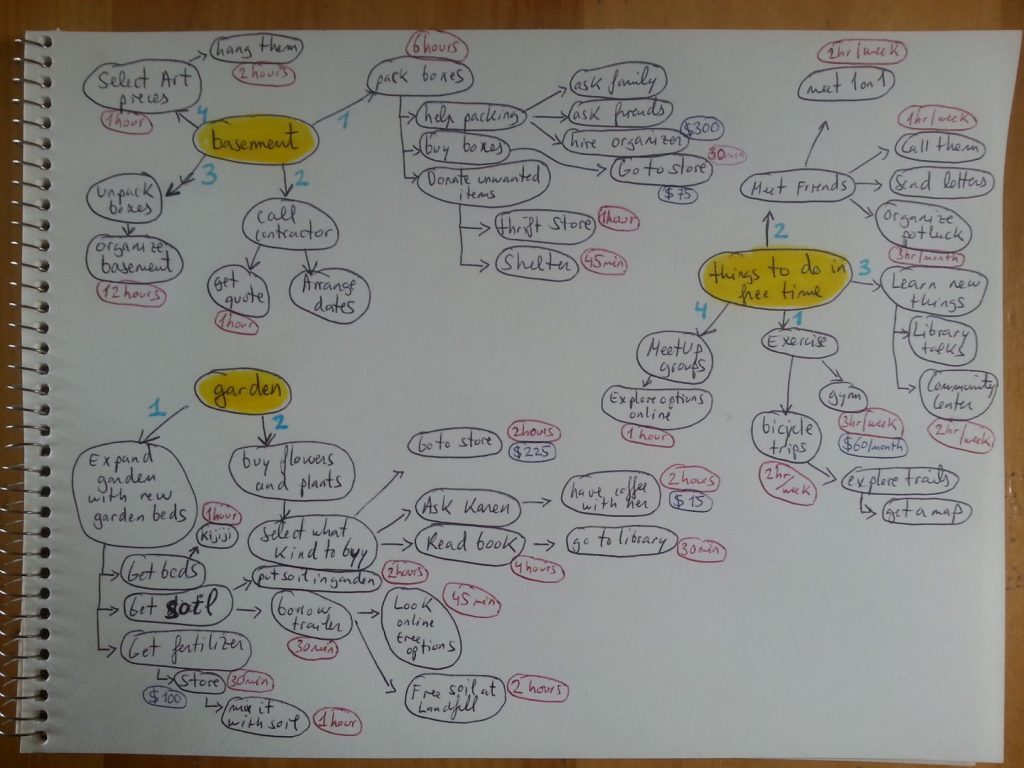
Maintaining a clutter-free lifestyle is not a one-time event but a continuous process. It requires a proactive approach that goes beyond simply decluttering; it involves cultivating habits and strategies to prevent future clutter buildup. A well-maintained mind map, adaptable to life changes, is key to this ongoing success.A clutter-free lifestyle is more than just an aesthetic preference; it’s a pathway to increased productivity, reduced stress, and improved mental clarity.
Regular decluttering, combined with proactive strategies, empowers individuals to maintain an organized and satisfying environment.
Continuous Decluttering Practices
Regular decluttering sessions are crucial for maintaining a clutter-free space. This involves scheduled reviews of belongings, regularly assessing items for their value and necessity. These sessions, while potentially time-consuming initially, become significantly less burdensome with practice.
Strategies to Prevent Future Clutter Buildup
Utilizing the mind map as a proactive tool to prevent future clutter is vital. The map should categorize and visualize potential clutter triggers, such as impulse purchases or seasonal items. By understanding these triggers, proactive measures can be implemented to avoid them. This might involve creating designated areas for items, establishing a “no-buy” period, or developing a system for returning items not needed.
Adjusting and Maintaining the Mind Map
The mind map should be a dynamic document, evolving alongside life changes. Regular review and updates are necessary to adapt to changing needs and circumstances. This may involve adding new categories for new belongings, adjusting existing ones, or even completely reorganizing sections as life transitions occur. For example, as children grow older, the “childhood toys” section might need to be re-evaluated and reorganized.
Incorporating Decluttering into Daily Habits
Integrating decluttering into daily routines is essential for long-term maintenance. This might include setting aside 15 minutes each day to tidy up a specific area, regularly donating or discarding unwanted items, or creating a system for returning items to their designated locations after use. These small, consistent actions are more effective than large, infrequent decluttering sessions.
Benefits of a Regular Decluttering Schedule
A regular decluttering schedule offers numerous benefits. It reduces stress associated with overwhelming clutter, promotes a sense of control and order, and fosters a more peaceful and productive environment. A structured schedule allows for proactive management of items, thereby minimizing the potential for future clutter buildup.
Adapting the Mind Map for Different Life Stages
The mind map should be flexible enough to adapt to different life stages. As individuals progress through various life phases, such as moving, starting a family, or retirement, the mind map should be modified to reflect these changes. This involves restructuring categories, adding new ones, or adjusting existing ones to suit the new circumstances. For instance, a newly married couple might need to integrate a “shared belongings” section into their map.
Visualizing Clutter Reduction
Visualizing the process of decluttering, particularly using a mind map, is crucial for maintaining motivation and tracking progress. A clear visual representation of the desired outcome and the steps involved can significantly enhance the effectiveness of your decluttering journey. This visualization not only helps you stay focused but also provides a powerful tool for maintaining a clutter-free lifestyle.A mind map acts as a dynamic tool, allowing you to visualize the reduction of clutter over time.
It enables you to see the big picture and the smaller steps that contribute to it, making the overall process less daunting and more achievable.
Mind Map Example for Decluttering Progress
A mind map visually represents the decluttering journey. The central idea is “Decluttering My Home.” Branches emanating from this central idea represent different rooms (e.g., kitchen, bedroom, office). Each room branch further subdivides into specific areas needing attention (e.g., kitchen counters, bedroom closet). Subsequent branches detail the items to be decluttered (e.g., old cookbooks, clothes that no longer fit).
Completion of each step, from sorting items to discarding or donating them, can be marked visually (e.g., a checkmark) on the map. This provides a clear visual record of progress, reinforcing motivation.
Impact of Decluttering on Different Aspects of Life
The table below illustrates the positive impact of decluttering on various facets of life. Decluttering fosters a sense of order and control, leading to numerous benefits.
| Aspect of Life | Impact of Decluttering |
|---|---|
| Physical Space | Reduced clutter, increased usable space, improved aesthetics |
| Mental Well-being | Reduced stress, improved focus, increased sense of calm |
| Emotional Well-being | Release of emotional baggage associated with possessions, increased sense of freedom |
| Productivity | Reduced time spent searching for items, improved workflow, more efficient use of time |
| Financial Well-being | Potential for selling or donating items, reduced impulse purchases |
Importance of Visualizing Decluttering Success
Visualizing decluttering success is crucial for maintaining motivation and sustaining the effort. A clear mental image of a clutter-free space reinforces the desired outcome and encourages consistent action. This visualization aids in maintaining the clutter-free lifestyle that follows the decluttering process.
Role of Visualization in Maintaining a Clutter-Free Lifestyle
Visualization, supported by a mind map, plays a vital role in maintaining a clutter-free lifestyle. Visualizing a clutter-free space and the associated positive feelings reinforces the habit of decluttering. This proactive visualization helps in anticipating potential clutter situations and prevents them before they arise.
Methods for Creating Motivational Visualizations using the Mind Map
Creating motivational visualizations involves associating positive feelings with a clutter-free environment. A mind map can be used to visualize this by incorporating images or symbols that represent positive emotions and a clutter-free lifestyle. For instance, you could associate a room’s decluttered state with a feeling of peace or serenity, represented by a tranquil image on the mind map.
Another method involves visualizing the benefits of a clutter-free lifestyle (e.g., more time for hobbies, better sleep).
Illustrative Image for Decluttering with a Mind Map
Imagine a vibrant, colorful mind map with the central idea “Decluttering My Life.” Branches radiate outwards, representing different areas of life (home, work, finances). Each branch has colorful sub-branches illustrating specific areas needing decluttering (e.g., kitchen counters with a cluttered image on one branch, and a neat and tidy kitchen image on another branch). Checkmarks, progress indicators, and visual cues indicate progress in decluttering each area.
The image should evoke a sense of accomplishment and optimism. The overall impression is of a journey towards a more organized and peaceful lifestyle.
Ultimate Conclusion
In conclusion, “How to Declutter Your Life With a Mind Map” provides a holistic approach to achieving a clutter-free lifestyle. By leveraging the power of mind maps, you’ll gain clarity, control, and a renewed sense of order. The process involves identifying clutter sources, creating a decluttering plan, implementing strategies, and visualizing success. Maintaining a clutter-free environment is an ongoing process, but this guide provides the tools and strategies to make it a manageable and rewarding journey.
This comprehensive guide empowers you to cultivate a more organized, peaceful, and productive life.