Uncover the core essence of any project or idea with reverse mind mapping. This powerful technique, a unique approach to standard mind mapping, allows you to systematically explore connections, identify patterns, and ultimately pinpoint the central theme. By reversing the typical mind mapping process, you can discover the core idea that drives your project, leading to more focused efforts and impactful results.
This guide provides a step-by-step approach to mastering reverse mind mapping, from initial brainstorming to final visualization of the core idea. Learn how to collect, categorize, and connect ideas to reveal the unifying concept at the heart of your endeavor. Visual representations and practical examples will illuminate the process.
Understanding Reverse Mind Mapping
Reverse mind mapping is a powerful technique that aids in the exploration and organization of ideas. It’s a distinct approach compared to traditional mind mapping, fundamentally shifting the focus from brainstorming outward to a targeted inward exploration. This process is valuable in identifying core ideas and central themes within a body of information.The core principle of reverse mind mapping lies in its ability to extract the essence of a topic by systematically breaking down complex information.
This process differs significantly from standard mind mapping, which usually starts with a central idea and expands outwards to encompass related concepts. Reverse mind mapping reverses this approach, starting with the end goal (the core idea) and working backward to identify the constituent parts.
Defining Reverse Mind Mapping
Reverse mind mapping is a structured approach to uncovering the core idea or theme within a body of text, presentation, or other information. It contrasts with standard mind mapping by its reverse directionality, focusing on distilling the core idea rather than expanding from it. This method proves especially helpful in situations where the central theme is not immediately apparent.
Distinguishing Standard and Reverse Mind Mapping
A standard mind map begins with a central idea, then branches out with related sub-ideas and associated concepts. This approach is ideal for brainstorming and generating ideas. Reverse mind mapping, in contrast, starts with a pre-defined outcome (e.g., a research question, a project objective, or a desired result) and works backward to identify the necessary elements and information needed to achieve that outcome.
This method is crucial for focused analysis and synthesis.
Purpose and Benefits of Reverse Mind Mapping
The purpose of reverse mind mapping is to pinpoint the core idea or message embedded within a body of information. It allows for efficient extraction of essential points and aids in identifying any gaps or inconsistencies. The benefits include:
- Enhanced Comprehension: By breaking down complex information, reverse mind mapping facilitates deeper comprehension of the core message.
- Improved Analysis: The process encourages critical thinking and systematic analysis of the source material, leading to a more in-depth understanding.
- Targeted Information Gathering: Reverse mind mapping enables a focused search for information, directing the user toward relevant sources and concepts.
- Clearer Communication: Identifying the core idea streamlines the communication process by providing a clear and concise summary.
Visual Representation: Standard vs. Reverse Mind Map
The following table illustrates the difference between a standard and a reverse mind map:
| Standard Mind Map | Reverse Mind Map |
|---|---|
| Starts with a central idea and branches outward. | Starts with a desired outcome and works backward to identify the necessary components. |
| Focuses on brainstorming and generating ideas. | Focuses on analysis and extracting the core idea. |
| Typically used for planning, brainstorming, and idea generation. | Typically used for research, problem-solving, and identifying key themes. |
Imagine a standard mind map as an expanding tree, growing outward from a central trunk. Reverse mind mapping is like tracing the roots of a tree, working backward from the branches to the central trunk.
The Process of Creating a Reverse Mind Map

Reverse mind mapping is a powerful technique for uncovering the core idea behind a collection of seemingly disparate information. It involves a systematic process of deconstruction, analysis, and synthesis to reveal the underlying theme or principle. This structured approach is particularly valuable in research, problem-solving, and creative thinking.Understanding the process of reverse mind mapping provides a framework for transforming seemingly random thoughts and data into a coherent, insightful whole.
This methodical approach is not only effective for identifying the core idea but also fosters a deeper understanding of the connections and relationships within the data.
Initial Steps in Reverse Mind Mapping
The initial phase of reverse mind mapping involves gathering all relevant information. This might include articles, research papers, notes, or even personal observations. The key is to assemble a comprehensive collection of data related to the subject under investigation. This comprehensive data set forms the foundation upon which the core idea will be revealed. Thorough data collection allows for a more robust analysis and facilitates the identification of the underlying theme.
Collecting Ideas and Brainstorming
Effective brainstorming is crucial in reverse mind mapping. This stage involves actively engaging with the collected data. Consider the following techniques:
- Detailed Analysis: Carefully examine each piece of information, noting key concepts, themes, and patterns. Identify recurring words, phrases, and topics that appear consistently throughout the data.
- Clustering Similar Concepts: Group similar ideas or concepts together. This helps in recognizing underlying patterns and themes that might have been overlooked in the initial review.
- Questioning Assumptions: Challenge existing assumptions about the data. Ask “why” and “how” questions to delve deeper into the subject matter and potentially uncover hidden connections.
- External Resources: Supplement the collected data with external resources, such as related articles, research papers, or expert opinions. This will enhance the scope of understanding and potentially provide new perspectives on the information.
Organizing and Categorizing Information
Organizing the gathered information is essential for clarity and efficiency in reverse mind mapping. Effective categorization helps in identifying patterns and relationships within the data, paving the way for a more comprehensive analysis.
- Categorization by Theme: Group the information into relevant categories or themes. This helps in understanding the relationships between different concepts.
- Using s: Develop a set of s or labels to represent each category. This will be helpful in constructing the reverse mind map visually.
- Cross-Referencing: Look for overlapping categories or themes. Cross-referencing allows you to identify potential connections between seemingly unrelated concepts.
- Creating a Table: Consider using a table to visually organize the data. Columns can represent categories, and rows can represent individual pieces of information. This structured approach can be helpful in identifying patterns and relationships.
Identifying Connections and Relationships
Identifying connections and relationships between concepts is a vital part of the reverse mind mapping process. This step is about recognizing the interdependencies between different pieces of information.
- Cause-and-Effect Analysis: Determine the cause-and-effect relationships between concepts. This helps understand how different elements are interconnected and contribute to the overall theme.
- Correlation Analysis: Examine the correlations between concepts. Look for patterns or trends in the data to identify potential relationships.
- Comparison and Contrast: Compare and contrast different concepts to highlight similarities and differences. This can reveal hidden connections and contradictions within the data.
Visual Structure of a Reverse Mind Map
Creating a visual structure for the reverse mind map is a critical step in the process. The layout should effectively convey the relationships between ideas and concepts.
- Central Idea: Start with a central idea, representing the core theme or principle. This is the ultimate objective of the reverse mind mapping process.
- Branches: Branch out from the central idea, creating connections to supporting concepts and themes. The branches should represent the relationships between these concepts.
- Sub-Branches: Add sub-branches to elaborate on the main branches. This process further clarifies the relationships between concepts and helps to refine the understanding of the core idea.
- Visual Cues: Use visual cues, such as colors, shapes, or icons, to highlight important concepts or relationships. Visual elements enhance understanding and engagement with the map.
Identifying the Core Idea
Reverse mind mapping, by its nature, facilitates the exploration of interconnected ideas. The core idea emerges as the central concept that unifies these related thoughts, providing a unifying theme and a focal point for further analysis. Recognizing this core idea is crucial for distilling complex information and formulating concise, meaningful insights.Identifying the core idea in a reverse mind map requires a systematic approach that combines pattern recognition with an understanding of the relationships between concepts.
This process involves analyzing the interconnected ideas, identifying recurring themes, and ultimately isolating the central, unifying concept. Careful examination of the map’s structure is essential.
Recognizing Patterns and Themes
The process of identifying patterns and themes within the reverse mind map begins with a thorough examination of the interconnected nodes. By visually scanning the map, one can observe recurring themes, common characteristics, or consistent links between various concepts. For instance, if numerous branches converge on a single concept, this concept likely holds significant weight and may represent the core idea.
Similarly, a pattern of similar attributes across different branches could indicate a central theme or principle that unifies them. Active searching for recurring patterns and themes helps to narrow down potential candidates for the core idea.
Analyzing Relationships Between Ideas
Understanding the relationships between ideas is pivotal in pinpointing the core idea. Consider the directionality of the connections between nodes. If multiple branches lead to a single node, it indicates that this node is a significant conclusion or concept that serves as a focal point for the other ideas. Moreover, the level of interconnectedness among ideas offers a valuable insight.
Concepts closely linked to each other likely contribute to the core idea, whereas those with less connectivity may represent supporting concepts or tangential thoughts.
Identifying the Most Impactful or Central Concept
Several strategies can help identify the most impactful or central concept. A key technique involves evaluating the breadth and depth of connections. The concept that serves as the central theme is often connected to a larger number of other ideas and at various levels of depth. Another method is to consider the concept’s ability to encapsulate the overall meaning of the map.
The core idea should be comprehensive enough to encompass the majority of the related ideas and their connections, acting as a unifying theme.
Isolating the Central Idea from Related Supporting Concepts
Once potential core ideas are identified, isolating the central idea from supporting concepts is necessary. This involves scrutinizing the connections between nodes. Supporting concepts often serve to elaborate on or exemplify the core idea. By carefully examining the relationships, one can distinguish between the central idea and the supporting elements. This distinction is crucial for focusing on the essence of the information presented in the reverse mind map.
Visual Representation of the Core Idea
The core idea can be visually represented on the reverse mind map by highlighting it using different colors, font sizes, or shapes. A visually distinct representation helps to clearly identify and emphasize the central theme. For example, using a bold, larger font size for the core idea can effectively draw attention to its significance within the map. Alternatively, outlining the core idea with a different color can help to isolate it from the related supporting concepts, thus clarifying its unifying role.
This visual distinction makes the core idea easily identifiable and emphasizes its importance.
Structuring the Reverse Mind Map
A well-structured reverse mind map is crucial for effectively identifying the core idea. A clear visual representation facilitates the process of tracing relationships between concepts and ultimately pinpointing the central theme. Careful consideration of visual elements and a logical arrangement of branches are essential for a successful reverse mind map.Effective structuring allows for a deeper understanding of the connections between ideas, ultimately aiding in the discovery of the underlying core concept.
This process is greatly enhanced by utilizing various visual tools and a thoughtful arrangement of ideas.
Branching Strategies
Proper branching is fundamental to the effectiveness of a reverse mind map. The branches represent the various concepts related to the overarching theme, leading towards the core idea. Careful consideration must be given to the hierarchical relationship between ideas, ensuring a clear progression.
- Main Branches: These represent the major categories or concepts that contribute to the core idea. They should be broad and encompass the most significant aspects of the topic.
- Sub-Branches: These further detail the main branches, providing more specific insights into the various facets of each concept. Each sub-branch should be clearly linked to its corresponding main branch, demonstrating the hierarchical relationship.
- Connecting Branches: The connections between branches, whether main or sub, are critical. Visual cues such as lines, arrows, or connectors effectively illustrate the relationships and dependencies between the concepts. A well-structured mind map clearly indicates how ideas are related.
Visual Element Application
Effective use of visual elements enhances the clarity and comprehensibility of the reverse mind map. Colors, shapes, and icons contribute significantly to the overall visual appeal and aid in the understanding of the relationships between ideas.
- Color Coding: Assign distinct colors to different main branches. This helps in quickly identifying and categorizing related concepts. For example, a blue branch could represent “marketing strategies” while a green branch could represent “customer engagement.” Consistent color use across the map enhances visual clarity.
- Shapes and Icons: Shapes and icons can be used to visually represent concepts or sub-branches. For instance, a circle could represent a complete cycle, a square might denote a specific task, and an icon of a person might represent a specific stakeholder. These visual cues enhance the map’s aesthetic appeal and provide a visual shortcut to understanding the ideas.
Template Design
Utilizing a template can streamline the creation process of a reverse mind map, particularly for complex topics. The template acts as a framework for organizing the branches and sub-branches in a logical manner.
| Level | Description | Example |
|---|---|---|
| Main Branch | Broadest category, overarching concept. | “Market Analysis” |
| Sub-Branch 1 | Detailed aspect of main branch. | “Target Audience Demographics” |
| Sub-Branch 2 | Specific data point or insight. | “Age Range: 25-45” |
A template facilitates a structured approach, leading to a more organized and easily understandable mind map.
Arrangement and Connection
The arrangement and connection of branches directly impact the clarity and logical flow of the reverse mind map. Careful placement of branches and clear connections between them are crucial for comprehending the relationships between ideas.
Proper arrangement and clear connections between branches allow for easy identification of the core idea and understanding of the relationships between various concepts.
This ensures that the map effectively conveys the flow of thought and the connections between ideas.
Visual Clarity and Logical Flow
Maintaining visual clarity and a logical flow is paramount in creating an effective reverse mind map. Clear visual cues and a well-defined structure ensure that the map is easily understood and interpreted.The overall goal is to create a map that effectively communicates the relationships between ideas and guides the user towards the core idea in a logical and visually appealing manner.
Practical Applications and Examples

Reverse mind mapping is not confined to a single field; its adaptable nature makes it valuable in diverse contexts. This versatility stems from its focus on identifying core ideas and exploring their implications, a process applicable to problem-solving, decision-making, and creative ideation across a wide spectrum of disciplines. From brainstorming innovative solutions to refining complex strategies, reverse mind mapping offers a structured approach to achieving desired outcomes.This section explores the practical applications of reverse mind mapping across various domains.
By examining real-world examples, we can understand how this technique can be instrumental in generating innovative solutions and facilitating effective decision-making.
Applications in Business
Reverse mind mapping is highly effective in business settings, particularly in product development and strategic planning. It facilitates a deeper understanding of customer needs and market trends by allowing teams to systematically trace back from observed outcomes to the initial problem or idea. This iterative process helps refine strategies and improve decision-making efficiency.
- Product Development: Imagine a company launching a new software application. By reverse mapping the desired user experience and the eventual success metrics, the team can identify the core functionalities and features that must be implemented. This method helps avoid unnecessary complexities and focuses on essential elements, improving the likelihood of a successful product launch.
- Strategic Planning: A company aiming to increase market share might utilize reverse mind mapping. By mapping out their desired market position, and then tracing back to the necessary steps, they can uncover the essential strategies and actions required. This systematic approach ensures that resources are allocated effectively, and the team can align their efforts to achieve the desired outcome.
Problem Solving
Reverse mind mapping is a powerful tool for addressing complex problems. Its structured approach allows for a systematic breakdown of challenges, enabling teams to uncover root causes and generate creative solutions.
- Example: A retail store is experiencing declining sales. By reverse mapping the declining sales figure to the various factors contributing to it, the management team can identify areas of concern such as declining customer traffic, outdated inventory, or ineffective marketing strategies. From this analysis, the team can develop specific solutions, such as implementing new marketing campaigns or reorganizing the store layout.
- Identifying Root Causes: A reverse mind map allows the exploration of various factors leading to a problem, enabling the team to go beyond the symptoms and identify the root causes. This thorough exploration leads to more effective and sustainable solutions.
Creative Ideation
By working backward from a desired outcome, reverse mind mapping can stimulate creative thinking. This approach helps individuals and teams to explore diverse possibilities and break free from conventional thought patterns.
- Innovation in Technology: A team developing a new communication technology might use reverse mind mapping to envision a future where seamless communication across different platforms is possible. By systematically tracing back the steps necessary to achieve this vision, they can uncover innovative technological solutions.
Decision Making
Reverse mind mapping can enhance decision-making processes by facilitating a structured approach to evaluating options. By mapping out the various potential outcomes of different decisions, individuals and teams can make more informed and strategic choices.
- Investment Decisions: An investor contemplating various investment opportunities can use reverse mind mapping to trace back the desired returns to the potential investment strategies. This systematic approach helps them evaluate the risks and rewards associated with each option and make a more informed decision.
Visual Representation and Organization
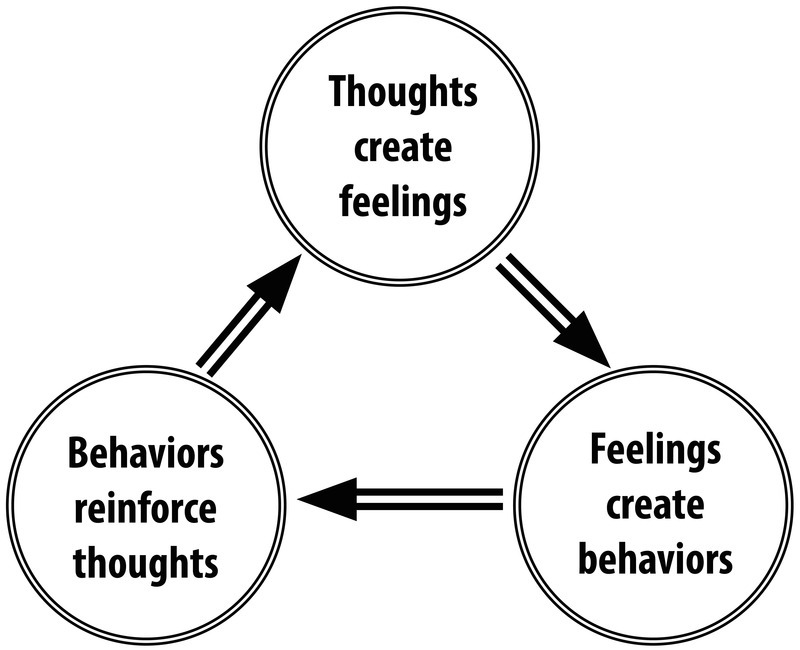
Reverse mind mapping offers a powerful visual approach to unraveling complex ideas. By visually representing relationships between concepts, the core idea becomes more readily apparent. This visual structure facilitates understanding and retention of the information, making it a valuable tool for brainstorming, problem-solving, and knowledge organization.Visual representations are key to effective reverse mind mapping. By thoughtfully incorporating visual elements and strategic structuring, you can transform a potentially daunting task into a more accessible and engaging process.
This enhanced visual representation fosters a deeper understanding of the interconnectedness of ideas.
Visual Elements for Reverse Mind Maps
Understanding the power of visual aids is crucial for making a reverse mind map more effective. Adding visual elements enhances comprehension and memorability. The following table Artikels various visual elements that can be incorporated:
| Visual Element | Description | Example |
|---|---|---|
| Color Coding | Using different colors to represent different categories or concepts. | Highlighting different departments in a business analysis with distinct colors. |
| Icons and Symbols | Using relevant icons and symbols to represent concepts or ideas. | Representing a customer with a person icon, a product with a box icon, and a process with a flowchart icon. |
| Shapes and Boxes | Utilizing shapes and boxes to group related concepts or ideas. | Enclosing related factors contributing to a problem in a box. |
| Images | Adding relevant images to enhance understanding and engagement. | Using a picture of a product or a service to represent a core idea. |
| Flowcharts | Using flowcharts to represent the sequence of events or ideas. | Mapping out the steps of a process with a flowchart. |
| Diagrams | Using diagrams to represent relationships between concepts. | Creating a Venn diagram to represent the overlap between different factors in a project. |
Branch and Connection Structures
A well-structured reverse mind map allows for easy navigation and comprehension of the core idea. The way branches and connections are organized is critical to achieving this.
| Structure Type | Description | Example |
|---|---|---|
| Hierarchical | Organizes ideas in a top-down, tree-like structure, with the core idea at the top and sub-ideas branching downwards. | A project breakdown, with the project itself at the top and tasks, subtasks, and deliverables branching down. |
| Radial | Organizes ideas in a circular pattern, with the core idea in the center and related concepts radiating outwards. | Mapping out the different elements of a marketing campaign, with the core idea in the middle and related activities spreading outwards. |
| Network | Shows interconnectedness between concepts, with multiple branches linking ideas in a complex web. | Analyzing the various factors impacting a company’s financial performance, where various financial aspects connect to each other. |
| Spider Diagram | Organizes ideas in a web-like structure, with the core idea in the center and concepts connected by lines. | Visualizing different elements of a product or service, showing how various aspects intertwine. |
Reverse Mind Map Element Organization
This table organizes the elements of a reverse mind map for better visualization and comprehension.
| Element | Description | Example |
|---|---|---|
| Core Idea | The central theme or concept. | “Boosting Customer Satisfaction” |
| Branches | Sub-concepts or factors related to the core idea. | “Improved Product Quality”, “Enhanced Customer Service”, “Effective Marketing Strategies” |
| Connections | Relationships between branches and the core idea. | How improved product quality leads to customer satisfaction. |
| Visual Elements | Color coding, icons, shapes, images, and flowcharts. | Using different colors for different departments, adding a customer service icon. |
Visual Representation of the Core Idea
Visualizing the core idea effectively within the reverse mind map is crucial for clarity and impact. Here are some approaches:
- Central Image: A powerful visual representation of the core idea, placed centrally within the map, can immediately capture attention and convey the concept effectively. An image of a happy customer, for instance, could represent customer satisfaction.
- Central Text: A concise and impactful statement encapsulating the core idea, positioned centrally, can effectively communicate the essence of the concept. For example, “Maximize Sales Through Targeted Marketing” could be used.
- Colored Box or Shape: Highlighting the core idea with a visually appealing box or shape, contrasting with the other branches, helps focus attention on the central theme. A green box around the core idea “Develop a Sustainable Business Model” can signal a focus on environmental responsibility.
Example of a Visually Engaging Reverse Mind Map
Imagine a reverse mind map exploring the factors influencing employee retention. The core idea, “Enhance Employee Retention,” is positioned centrally, enclosed in a bright yellow box. Branching outwards are concepts like “Competitive Salaries,” “Positive Work Environment,” “Opportunities for Growth,” each represented by different colored shapes and icons. Connections between these branches are visually depicted by colored lines, highlighting the interplay of these factors.
The map’s structure is hierarchical, with the core idea at the top and sub-ideas branching downwards, creating a clear and organized view of the factors influencing employee retention.
Methods and Procedures
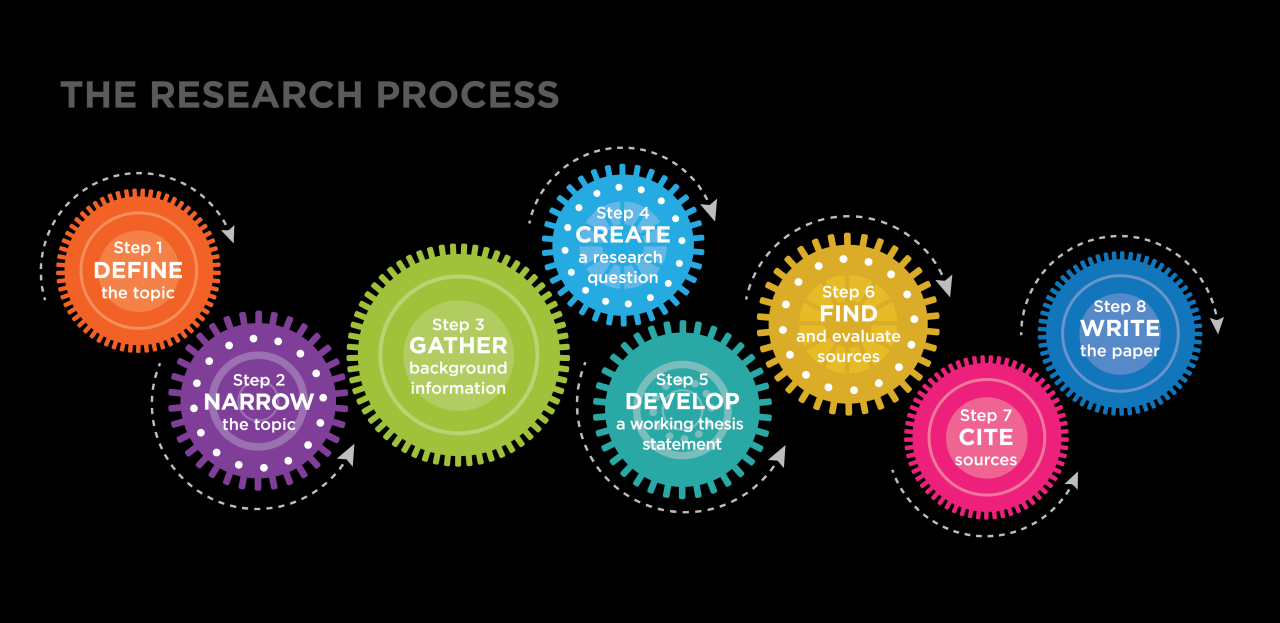
Reverse mind mapping offers a structured approach to tackling complex projects and brainstorming sessions. By systematically breaking down ideas and connecting them, reverse mind mapping clarifies the core concept driving a project, facilitating a more efficient and effective plan. This process contrasts with traditional mind mapping, which starts with the core idea and branches outwards.Employing reverse mind mapping for project planning allows for a more focused and well-defined approach.
It encourages a thorough exploration of the desired outcome before diving into the details, leading to a more comprehensive and robust plan. This methodical process is highly beneficial for both individual and team projects.
Structured Procedure for Project Planning
Reverse mind mapping for project planning involves a systematic process. Begin by clearly defining the project’s desired outcome. Then, brainstorm all the possible tasks and subtasks necessary to achieve that outcome. These components are then placed on the mind map, linked to show dependencies and relationships. Crucially, this process prioritizes the tasks that are critical to the project’s success, identifying potential bottlenecks and risks.
This approach allows for a thorough examination of all facets of the project, ensuring no critical steps are overlooked. This results in a comprehensive plan that is both realistic and efficient.
Comparison of Reverse Mind Mapping Methods
Different methods can be used for creating reverse mind maps, each with its own strengths and weaknesses. Some methods emphasize brainstorming and idea generation, while others focus on problem-solving and critical analysis. The effectiveness of each method depends on the specific project and the team’s working style. For instance, a highly collaborative team might benefit from a method that fosters open discussion and input from all members.
Table of Tools and Software for Reverse Mind Mapping
| Tool/Software | Features | Pros | Cons |
|---|---|---|---|
| MindManager | Extensive features for diagramming, including hierarchical organization, linking, and sharing. | Versatile, user-friendly interface, robust functionality. | Can be expensive, learning curve for some users. |
| XMind | Powerful mind mapping software with collaborative features. | Excellent for team projects, visually appealing. | Free version has limited features. |
| FreeMind | Open-source, lightweight software with basic functionality. | Cost-effective, easy to use for basic reverse mind maps. | Limited features compared to commercial options. |
| Simple mind map tools (online) | Basic mind map creation online, often free. | Convenient for quick brainstorming, good for quick project mapping. | Limited features, often less user-friendly. |
This table provides a general overview of some commonly used tools and software for reverse mind mapping. The selection of a particular tool depends on the specific needs and budget of the project.
Integrating Reverse Mind Mapping into Brainstorming
Integrating reverse mind mapping into brainstorming sessions enhances the process by providing a structured framework for generating and organizing ideas. Encourage participants to focus on the desired outcome and work backwards to identify the necessary steps. Facilitators should guide the session by asking questions that encourage the exploration of potential problems and solutions, and ensure that all participants feel comfortable contributing their ideas.
This structured approach ensures that all relevant ideas are captured and organized effectively.
Validating the Core Idea
Validating the core idea after constructing the reverse mind map is crucial. This involves testing the assumptions and potential risks identified during the reverse mapping process. Gather feedback from stakeholders and subject matter experts to assess the feasibility and desirability of the core idea. Analyzing market trends, competitor analysis, and similar project implementations can provide additional insights into the viability of the chosen core idea.
This thorough validation ensures that the project is aligned with real-world constraints and opportunities.
Ultimate Conclusion

In conclusion, reverse mind mapping offers a structured and insightful method for identifying the core idea behind any concept or project. This guide has explored the entire process, from initial steps to practical applications, empowering you to effectively utilize this powerful tool. By understanding the techniques and examples presented, you can confidently apply reverse mind mapping to solve problems, enhance decision-making, and generate creative solutions.
Remember to adapt the process to suit your specific needs and contexts for optimal results.