Achieving ambitious goals often feels daunting. This guide provides a structured approach to breaking down large, complex objectives into manageable steps, utilizing the powerful visualization tool of a mind map. By understanding the process of defining, decomposing, prioritizing, and monitoring progress, individuals can effectively navigate their path toward success, whether personal or professional.
This comprehensive guide explores the essential elements for effectively using mind maps to plan and execute large goals. From defining the scope of a large goal to incorporating time management, resource allocation, and adaptability, the strategies Artikeld will equip readers with the tools to transform complex projects into achievable milestones. The detailed breakdown will guide readers through each stage, emphasizing practical techniques and visual aids for optimal effectiveness.
Defining Large Goals
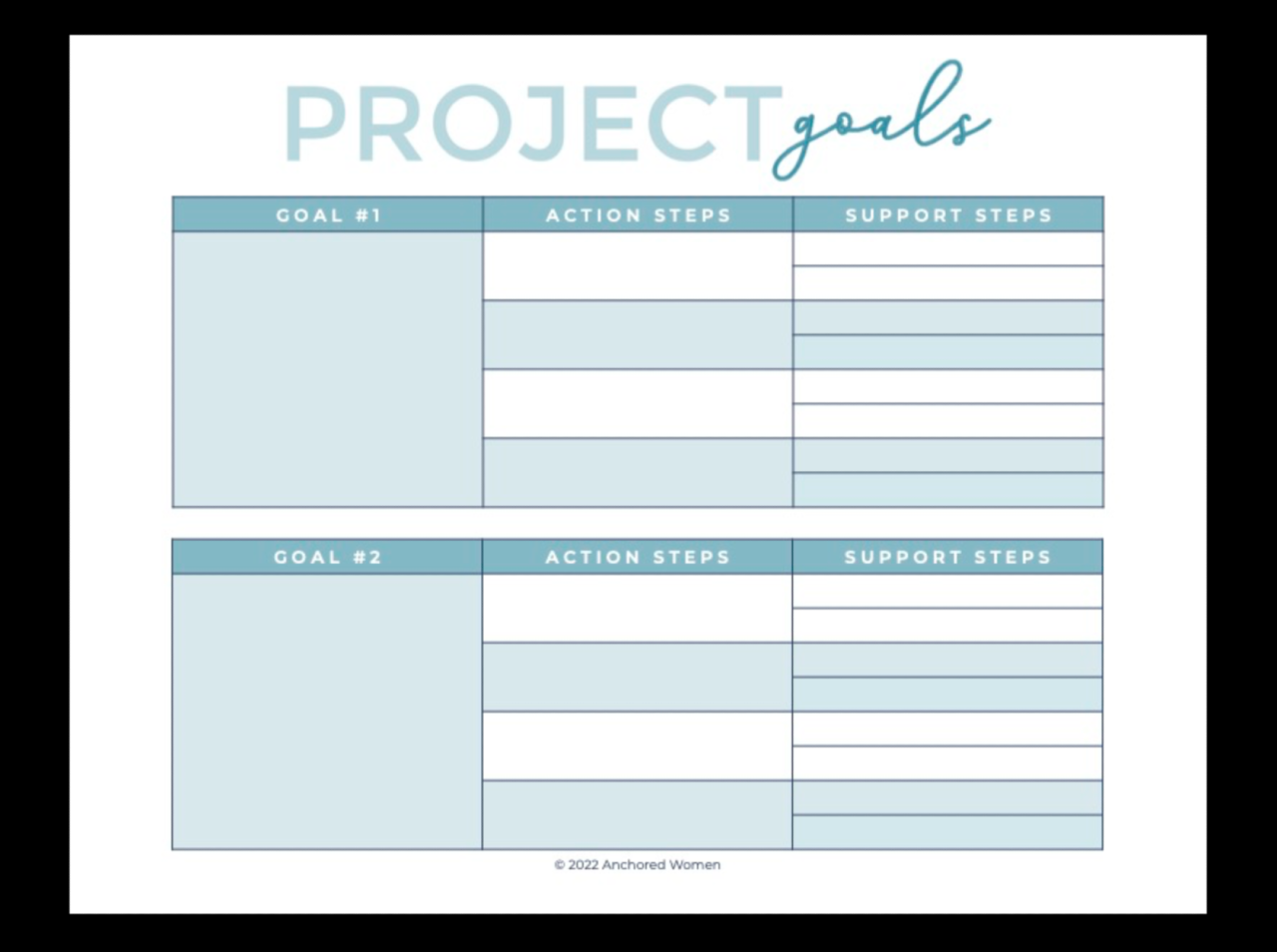
A large goal, in various contexts, represents a significant aspiration or objective that extends beyond immediate tasks and requires substantial effort, resources, and time to achieve. These objectives often encompass multiple smaller steps and stages, requiring careful planning and strategic execution. Whether personal, professional, or otherwise, a large goal’s defining characteristic is its ambition and the comprehensive scope of its impact.Large goals are fundamentally different from daily tasks or smaller projects.
They involve a broader vision and often encompass a significant change in one’s life or work. Distinguishing them necessitates understanding the overall impact and the multitude of contributing factors. A clear definition of a large goal before breaking it down into manageable steps is crucial for effective planning and sustained motivation. Without a clear understanding of the desired outcome, the process of decomposition can become fragmented and lose its focus.
Characteristics of Large Goals
Large goals typically possess several defining characteristics that set them apart from more manageable tasks. These include:
- Ambition and Scope: Large goals aim for significant achievements that encompass a substantial change or impact. They often involve multiple areas of responsibility and require a comprehensive approach.
- Long-Term Orientation: These goals are not short-term objectives but rather long-term aspirations requiring sustained effort and consistent progress over an extended period.
- Resource Intensive: Large goals frequently require substantial resources, including time, money, personnel, or other assets, to be fully realized.
- Complexity: The path to achieving a large goal often involves numerous interconnected steps, obstacles, and potential challenges that must be anticipated and addressed.
Defining a Large Goal
Clearly defining a large goal is paramount to effective planning and successful execution. This involves a deep understanding of the desired outcome, the context in which the goal will be pursued, and a realistic assessment of the required resources and timeline. The definition must be specific, measurable, achievable, relevant, and time-bound (SMART). This structured approach will prevent ambiguity and ensure that everyone involved is working toward the same objective.
Goal Definition Table
A structured approach to defining large goals involves a systematic process of clarifying the goal statement, its context, and an initial assessment of its size. This table provides a framework for organizing this information.
| Goal Statement | Goal Context | Initial Assessment of Size |
|---|---|---|
| Establish a successful online business within three years. | Personal entrepreneurship; building an e-commerce platform | Large |
| Achieve a promotion to senior manager within the next fiscal year. | Professional career advancement; increasing leadership responsibilities | Medium |
| Complete a marathon within the next six months. | Personal fitness; achieving a significant physical accomplishment | Medium |
The Mind Map Structure
A mind map is a visual tool that helps organize thoughts and ideas in a hierarchical manner. It’s a powerful technique for breaking down complex goals into manageable steps, fostering creativity, and enhancing understanding. This structure allows for a clear and concise representation of relationships between concepts, making it easier to grasp the overall picture and identify key connections.Mind maps leverage a central idea as a starting point, from which branches emanate to represent related concepts.
These branches, in turn, can have further sub-branches, illustrating the hierarchical relationship between ideas and enabling a comprehensive exploration of the subject matter.
Fundamental Components of a Mind Map
The core of a mind map is the central idea, often a concise phrase or that encapsulates the main topic. From this central hub, branches extend outwards, representing major themes or s related to the central idea. These branches can then be further subdivided into sub-branches, each representing specific details or actions. This branching structure creates a visual representation of the hierarchical relationships between ideas.
Visual Representation of Hierarchical Relationships
Mind maps effectively illustrate hierarchical relationships through their visual structure. For example, if the central idea is “Learning a New Language,” branches might represent “Grammar,” “Vocabulary,” and “Pronunciation.” Each of these branches could then be further subdivided into sub-branches, like “Verb Conjugations” under “Grammar” or “Common Phrases” under “Vocabulary.” This layered approach visually demonstrates how various components connect to form a complete understanding of the goal.
Key Visual Elements in Mind Mapping
Effective mind maps utilize visual elements to enhance understanding and engagement. These elements include:
- Color Coding: Different colors can be assigned to different branches or sub-branches, making it easier to differentiate and categorize information. For example, a mind map about project management could use green for tasks, red for deadlines, and blue for resources.
- Shapes and Icons: Using shapes (circles, squares, rectangles) and icons can add visual interest and further categorize information. A square might represent a task, a circle a meeting, or a specific icon a project milestone.
- Font Styles and Sizes: Varying font styles and sizes can emphasize important concepts and create a more dynamic visual appeal. Bolding s or using different font sizes for s enhances clarity and readability.
- Images and Diagrams: Including relevant images and diagrams can make the mind map more engaging and provide a visual context for the information. For instance, a mind map for a new product launch might include images of the product and its packaging.
Mind Mapping Software Comparison
Different software options offer varying features and ease of use. Here’s a comparison table:
| Software | Features | Ease of Use |
|---|---|---|
| MindManager | Advanced features, extensive templates, collaboration tools | Steeper learning curve |
| XMind | Excellent visualization tools, collaborative features | Generally user-friendly |
| FreeMind | Open-source, simple interface, good for beginners | Very easy to use |
| Mindomo | Intuitive interface, cloud-based storage, good for presentations | Highly user-friendly |
Note: This table provides a basic comparison. Specific ease of use and feature sets may vary based on individual user needs and experience.
Breaking Down Large Goals into Steps
Breaking down large goals into manageable steps is crucial for effective progress. This systematic approach transforms daunting objectives into a series of achievable tasks, fostering a sense of accomplishment and motivating continued effort. This structured approach, particularly when visualized with a mind map, provides a clear roadmap to success.A well-defined large goal often conceals numerous smaller steps. Identifying and organizing these steps is essential for effective progress.
This process involves analyzing the goal, identifying key components, and breaking them down into concrete actions. The use of action verbs in defining these steps adds a critical element of practicality, transforming abstract concepts into tangible tasks.
Systematic Extraction of Steps
Effective breakdown of large goals requires a systematic approach. One method involves analyzing the goal’s components, identifying key elements, and then decomposing each element into actionable sub-steps. For instance, if the goal is “launch a new product,” components might include market research, product development, marketing, and sales strategies. Each component can then be further broken down into detailed tasks.
A second method involves asking “what needs to be done to achieve this?” repeatedly, progressively breaking down the overarching goal into progressively smaller tasks. This iterative questioning process ensures all necessary steps are accounted for.
Importance of Action Verbs
Using action verbs in defining steps enhances the clarity and practicality of the plan. Action verbs transform vague statements into concrete actions, making the steps more actionable. For example, instead of “increase sales,” use “conduct market research,” “develop targeted marketing campaigns,” or “improve customer service.” This precise language ensures the steps are clear and easily measurable, providing a tangible benchmark for progress.
Breaking Down a Large Goal into Actionable Steps
Consider the goal “improve fitness.” This goal is broad and lacks specific actions. Breaking it down into actionable steps might include:
- Establish a fitness routine: This involves creating a structured workout schedule, incorporating various forms of exercise (cardio, strength training, flexibility). This routine will need to include specific exercises, sets, and repetitions.
- Set realistic goals: Instead of aiming for an immediate transformation, set incremental goals like increasing workout duration by 10 minutes per week, or adding a new exercise to the routine every two weeks.
- Track progress: Documenting workouts, noting improvements, and recording any challenges provides valuable feedback and motivation. Tools like fitness trackers or journals can help in this process.
- Maintain a balanced diet: Alongside exercise, a healthy diet is essential for achieving fitness goals. This may involve adjusting meal portions, increasing fruit and vegetable intake, or limiting processed foods.
Using a Mind Map for Visualization
A mind map provides a visual representation of the breakdown. The central idea is the large goal, branches represent the major steps, and sub-branches depict the specific tasks involved in each step. This visual structure facilitates an understanding of the interrelationships between tasks and their contribution to the overall goal.
- Center the goal: Write the main goal in the center of the mind map.
- Branch out for steps: Create branches radiating outward from the central goal, representing the major steps involved.
- Sub-branch for tasks: Sub-branches from each step detail the specific tasks needed to complete it.
- Connect and link: Visual connections between steps and tasks enhance understanding of the interdependencies and sequencing.
- Review and refine: Regular review and refinement of the mind map ensures the plan remains relevant and effective.
Prioritizing Steps
Effective prioritization is crucial for managing large projects. Without a clear understanding of which tasks are most important and urgent, projects can easily become derailed, resources misallocated, and deadlines missed. A well-defined prioritization strategy ensures that efforts are focused on the most impactful activities, leading to a more efficient and successful outcome.Prioritization within a mind map helps visualize the dependencies and relative importance of different tasks.
This clarity allows for a more strategic approach to project management, ensuring that resources are allocated efficiently and that the project progresses effectively. The impact of prioritization extends beyond just task order; it influences the overall project timeline and the allocation of resources such as budget, personnel, and time.
Methods for Prioritizing Steps
Prioritizing steps within a mind map involves assessing the importance and urgency of each task, considering factors like dependencies and resource availability. Various methods exist for determining the relative priority of tasks, each with its own strengths and weaknesses. A clear understanding of these methods is essential for effective project management.
- The MoSCoW Method: This method categorizes tasks into four groups: Must have, Should have, Could have, and Won’t have. Must-have tasks are critical to the project’s success and are given the highest priority. Should-have tasks are important but not essential. Could-have tasks are desirable but not crucial. Won’t-have tasks are not part of the current project scope.
This framework helps in making informed decisions about which tasks to focus on first.
- Eisenhower Matrix: This prioritization technique categorizes tasks based on their urgency and importance. Tasks that are both urgent and important should be tackled immediately. Important but not urgent tasks should be scheduled for completion. Urgent but not important tasks should be delegated or eliminated if possible. Tasks that are neither urgent nor important can be postponed or eliminated.
Impact of Prioritization on Project Timeline and Resource Allocation
Prioritization directly impacts the project timeline and resource allocation. By identifying and prioritizing critical path tasks, project managers can better estimate the project’s duration and allocate resources accordingly. Delaying crucial tasks can lead to delays in the entire project, while allocating resources to less important tasks can lead to inefficiencies.
- Impact on Timeline: Prioritization allows for a more accurate estimation of the project timeline. By focusing on the most critical tasks, project managers can identify the tasks that will determine the overall project duration and allocate sufficient time to these tasks. This reduces the risk of delays and helps maintain a realistic project schedule.
- Impact on Resource Allocation: Effective prioritization guides the allocation of resources. By understanding which tasks are critical to project success, project managers can allocate the necessary resources, including budget, personnel, and materials, to those tasks. This ensures that the most important tasks receive the appropriate attention and resources.
Relationship Between Steps and Dependencies
The relationship between steps and their dependency on other steps is a crucial aspect of prioritization. Tasks often rely on other tasks to be completed first, creating a chain of dependencies. Understanding these dependencies is critical for accurately estimating the project timeline and ensuring that tasks are completed in the correct order.
- Dependency Analysis: Analyzing task dependencies helps to identify the critical path, which is the sequence of tasks that determine the overall project duration. Identifying the critical path allows project managers to focus resources and attention on these tasks to prevent delays in the project. A thorough dependency analysis is essential to avoid potential bottlenecks and ensure the smooth flow of the project.
Prioritization Methods Comparison
The following table illustrates the different prioritization methods discussed above, outlining their key characteristics and applications.
| Method | Description | Key Characteristics | Example |
|---|---|---|---|
| MoSCoW Method | Categorizes tasks into Must have, Should have, Could have, and Won’t have. | Focuses on essential vs. desirable tasks. | Must-have: Core project features; Should-have: Additional features; Could-have: Advanced functionalities. |
| Eisenhower Matrix | Categorizes tasks based on urgency and importance. | Prioritizes urgent and important tasks first. | Urgent and Important: Crisis response; Important but Not Urgent: Planning meetings; Urgent but Not Important: Fire drills; Not Urgent and Not Important: Social media. |
Time Management and Deadlines

Effective time management is crucial for achieving large goals. By incorporating deadlines and realistic schedules into the mind map structure, you create a roadmap for progress and maintain motivation. This structured approach helps avoid procrastination and ensures that each step is completed within a manageable timeframe.Understanding how to integrate deadlines and scheduling into the mind map process ensures that the project stays on track and the large goal is broken down into achievable steps, each with a defined timeframe.
This method also promotes better time management skills and aids in the creation of a more efficient work plan.
Incorporating Deadlines into the Mind Map
Defining deadlines for each step is essential for effective time management. These deadlines, when clearly articulated within the mind map, serve as checkpoints and reminders. Integrating them into the structure ensures accountability and helps to maintain momentum.
Scheduling Individual Steps
To effectively schedule individual steps, consider the broader timeline for the entire goal. A key aspect of this is understanding the interdependencies between different steps. Some steps may be sequential, requiring completion of one before the next can begin, while others might be concurrent. Visualizing these relationships on the mind map facilitates a comprehensive understanding of the project timeline.
- Sequential Steps: These steps follow a strict order. For example, in writing a book, completing the first chapter is necessary before the second can be started. Represent these sequentially on the mind map, ensuring each step’s deadline is aligned with its dependency.
- Concurrent Steps: These steps can be worked on simultaneously. For instance, while writing one chapter of the book, you can simultaneously research for the next. The mind map should reflect the potential for overlapping work to maximize efficiency.
- Buffer Time: Include buffer time between steps. Unexpected delays are common. Building in buffer time allows for flexibility and prevents the project from falling behind schedule due to unforeseen circumstances. This buffer time also allows for potential adjustments to the schedule if necessary.
Realistic Time Estimations
Realistic time estimations for each step are vital. Underestimating can lead to stress and missed deadlines, while overestimating can lead to wasted time. Consider past experience, the complexity of the task, and any potential obstacles when making estimations.
- Past Experience: Drawing upon past projects provides valuable data for realistic estimations. Analyze previous tasks with similar complexities and durations to inform your estimations. For example, if writing a similar book took 6 months, that could be a starting point for estimating the time needed for the current project.
- Task Complexity: More complex steps require more time. If a step involves multiple subtasks or requires specialized knowledge, allocate a longer duration for its completion. If a step involves significant research, for example, you need to allow more time for it.
- Potential Obstacles: Anticipate potential roadblocks. If a step relies on external factors, such as approvals or material delivery, incorporate this into your estimation. For instance, if waiting for materials to arrive may take an extra two weeks, reflect this in the schedule.
Mind Map Example
A mind map for writing a novel demonstrates how to integrate time management and deadlines. The central idea is “Write a Novel.” Branching from this are s like “Research,” “Artikel,” “Write Chapters,” “Edit Chapters,” and “Proofread.” Each has deadlines associated with it, such as “Research: Complete by June 15th,” and “Write Chapter 1: Complete by July 15th.” Connecting lines indicate dependencies, for instance, “Artikel” needs to be completed before “Write Chapters.” The mind map also visually shows buffer time between tasks to accommodate unforeseen delays.
This example clearly illustrates the integration of time management into the mind map structure for a large goal.
Resources and Dependencies

Identifying and managing resources and dependencies is crucial for successfully breaking down large goals into manageable steps. A thorough understanding of the resources required and the interdependencies between tasks ensures a smoother workflow and mitigates potential roadblocks. Proper visualization of these elements within a mind map facilitates efficient planning and execution.
Identifying Resources for Each Step
To effectively execute each step, it is essential to pinpoint the necessary resources. These resources can encompass various elements, including tangible items, personnel, information, and time. A detailed inventory of these resources allows for a comprehensive understanding of the requirements for each step, facilitating efficient allocation and preventing unforeseen resource shortages. A proactive approach to resource identification and management can significantly enhance the likelihood of successful project completion.
Visualizing Dependencies in a Mind Map
Mind maps offer a powerful tool for visualizing dependencies between steps. Connecting branches representing tasks with arrows or lines can clearly illustrate the sequential relationships and interdependencies. This visual representation provides a clear overview of how one step relies on another, which is vital for planning and execution. This allows for the identification of potential bottlenecks or delays.
Using Mind Map Branches to Represent Resources and Dependencies
Branches on a mind map can effectively represent both resources and dependencies. A branch representing a task can have sub-branches representing the specific resources required. For instance, a branch labeled “Write a Marketing Plan” could have sub-branches for “Research Data,” “Marketing Software,” and “Writer.” Dependencies can be shown by connecting the branch representing the task requiring the resource with a branch representing the resource.
This method visually highlights the links between tasks and the resources needed for their completion. For example, a branch labeled “Develop Website” could be connected to a branch labeled “Web Developer,” indicating the dependency.
Table Illustrating Resource Types and Relevance
This table demonstrates the different types of resources and their relevance to specific steps within a project.
| Resource Type | Description | Relevance to Specific Step Example |
|---|---|---|
| Personnel | Individuals with specific skills or expertise. | “Market Research” step requires a market research analyst. |
| Equipment | Physical tools or machinery. | “Product Development” step might need specialized machinery. |
| Materials | Raw materials or supplies. | “Manufacturing” step requires specific raw materials. |
| Information | Data, documents, or knowledge. | “Project Planning” step needs access to past project data. |
| Software | Applications or programs. | “Website Development” step needs web design software. |
| Time | Scheduled periods or durations. | “Project Completion” step needs a specific timeframe for completion. |
Monitoring Progress
Tracking progress is crucial for staying on track and adapting to unforeseen circumstances. A well-defined plan, like a mind map, allows for continuous monitoring and adjustments, ensuring that the overall goal remains within reach. This section details strategies for meticulously tracking progress, identifying roadblocks, and adapting the mind map as the project evolves.Monitoring progress effectively involves a combination of visual representations and regular reviews.
This dynamic process enables proactive identification of potential issues and allows for timely course correction, thereby maximizing the likelihood of success.
Strategies for Tracking Progress
Regular check-ins and updates are essential for staying informed about the status of individual steps. This involves noting progress, setbacks, and any necessary adjustments. Regular reviews allow for proactive identification of potential roadblocks and encourage course corrections before they significantly impact the overall project.
- Regular Check-ins: Schedule dedicated time for reviewing the progress of each step on your mind map. These check-ins should be consistent, whether daily, weekly, or bi-weekly, depending on the complexity of the project. This frequency allows for timely identification of deviations from the planned trajectory.
- Progress Indicators: Employ visual cues to represent progress on each step. Checkboxes, for instance, can be used to mark completed tasks. Color-coding can also highlight steps in different stages of completion. A color-coded system can be established to quickly assess the overall project health.
- Progress Reporting: Document the progress of each step, noting any challenges encountered and solutions implemented. This documentation serves as a valuable historical record and can be used to improve future project planning. This also provides valuable data to analyze potential patterns and improve project management skills.
Identifying Roadblocks and Challenges
Anticipating and addressing challenges is crucial for maintaining momentum. By proactively identifying potential roadblocks, you can implement contingency plans to minimize disruptions.
- Anticipating Roadblocks: Reflect on potential obstacles that might hinder progress. Consider factors like resource constraints, unexpected dependencies, or shifting priorities. Mindfully anticipating these challenges allows for proactive measures to address them.
- Identifying Roadblocks During Check-ins: Regular check-ins are essential for identifying emerging roadblocks. Openly discuss challenges with team members, if applicable, and document potential solutions. This collaborative approach facilitates a proactive response to emerging issues.
- Developing Contingency Plans: For anticipated or identified roadblocks, create contingency plans to address potential disruptions. This preparation ensures the project remains on track, even if unexpected problems arise.
Adapting the Mind Map as Progress Unfolds
The mind map is a dynamic tool; it should evolve as the project progresses. Adjustments to the structure, steps, or priorities are often necessary to maintain alignment with the overall goal.
- Re-evaluating Priorities: Regularly reassess the priorities of individual steps based on evolving circumstances. This flexibility ensures that efforts are directed towards the most impactful tasks at any given point in time.
- Adding New Branches: As the project progresses, new sub-tasks or branches might become apparent. The mind map should be adaptable enough to accommodate these new developments. This will help keep the map current and relevant to the ongoing work.
- Removing Obsolete Branches: If tasks become irrelevant or redundant, remove them from the mind map to maintain clarity and focus. This will ensure the map remains a concise and useful tool.
Visual Representing Progress on a Mind Map
Effective visualization of progress enhances clarity and motivation. Various methods can visually represent progress on a mind map, providing a clear overview of the project’s status.
- Checkboxes: Checkboxes can visually represent the completion status of individual steps. A completed checkbox provides a sense of accomplishment and a clear view of the project’s progress. This provides immediate visual feedback.
- Color-Coding: Different colors can be used to represent different stages of completion (e.g., tasks in progress, tasks completed, tasks to be initiated). This visual representation provides a quick overview of the overall project status. It facilitates a quick and easy assessment of the project’s health.
- Progress Bars: Progress bars can be used to indicate the completion percentage of each step. This visual representation provides a clear and concise summary of the project’s advancement.
Adapting to Change

Planning large goals often involves anticipating potential roadblocks and challenges. External factors can significantly impact the initial plan, necessitating flexibility and adaptability. Successfully navigating these changes requires a proactive approach, ensuring the overall goal remains achievable despite unforeseen circumstances.Adaptability is crucial for maintaining momentum and achieving objectives. A rigid plan can hinder progress and lead to frustration when unexpected events occur.
A well-structured mind map, coupled with a flexible approach, can help manage these changes effectively. This allows for proactive adjustments, ensuring the goal remains attainable despite obstacles.
Examples of External Impacts
External factors can disrupt a meticulously crafted plan. Economic downturns, changes in market trends, or unexpected technological advancements are just a few examples. A company aiming to launch a new product, for instance, might encounter unforeseen supply chain issues, affecting the timeline and budget. Similarly, a personal goal of completing a marathon might be impacted by unforeseen injuries or weather conditions.
These disruptions highlight the importance of anticipating potential challenges and building flexibility into the plan.
Importance of Flexibility in Adjusting the Mind Map
A mind map is a dynamic tool. Its flexibility is essential to accommodate changes. The interconnected nature of the map allows for easy revision and adjustments. This adaptability allows for quicker responses to new information or unforeseen circumstances. By recognizing the potential for change, the mind map becomes a living document, reflecting the evolving situation and remaining a useful tool.
Revising the Mind Map Based on New Information or Feedback
When new information emerges or feedback is received, the mind map should be revised accordingly. This involves identifying the impact of the new information on the existing plan and adjusting the corresponding branches. For instance, if a new competitor emerges, impacting market share predictions, the mind map’s branches relating to market analysis, marketing strategies, and potential customer acquisition would need to be reviewed and adjusted.
This iterative process keeps the plan relevant and aligned with the current situation.
Mind Map for Adapting to Change
The mind map below visually represents the process of adapting to change and unforeseen circumstances.
Adapting to Change Center Node: Goal Achievement Branches: - Identify Potential Impacts: Economic shifts, market trends, technology changes, etc. - Develop Contingency Plans: Alternative strategies for each potential impact. Example: If supply chain disrupted, explore alternative suppliers. - Establish Key Performance Indicators (KPIs): Track progress against original and revised goals. Example: Monitor sales figures after a change in marketing strategy. - Regular Review & Feedback: Evaluate the plan regularly and incorporate feedback.Example: Conduct weekly team meetings to discuss progress and challenges. - Resource Allocation: Re-allocate resources based on revised plans. Example: Shift marketing budget towards a new campaign based on market research. - Communication: Keep all stakeholders informed about changes. Example: Notify customers of delays due to supply chain issues. - Flexibility: Remain open to changing strategies and priorities. Connecting Branches: Each branch is interconnected, highlighting the impact of one factor on another.
For example, a change in market trends might influence the need for a revised marketing strategy.
This mind map visually demonstrates the interconnectedness of factors and the need for flexibility. By anticipating potential issues and creating contingency plans, the goal remains attainable. The regular review and feedback loops ensure the plan remains responsive to changing conditions. This dynamic approach ensures successful navigation of unforeseen circumstances.
Summary

In conclusion, this comprehensive guide provides a structured approach to breaking down large goals into manageable steps using mind maps. By clearly defining objectives, systematically extracting actionable steps, prioritizing tasks, and incorporating time management and resource considerations, readers can transform their ambitions into tangible results. The flexibility and visual clarity of mind mapping empower individuals to adapt to changes, monitor progress, and ultimately achieve their desired outcomes.
A robust methodology for tackling complex endeavors is presented.