Unlocking the hidden layers of a film or story can be a rewarding experience. This guide provides a structured approach to analyzing narratives using mind mapping. By visually representing plot points, characters, themes, and cinematic techniques, mind maps offer a dynamic and engaging way to dissect the complexities of storytelling. This method will help you delve deeper into the nuances of the work and gain a clearer understanding of the director’s intent.
From simple plot summaries to complex explorations of symbolism, this comprehensive guide will walk you through the process of crafting effective mind maps. We will explore various mind mapping structures, helping you choose the best approach for different types of analyses. Practical examples and step-by-step instructions will solidify your understanding of each technique, empowering you to conduct insightful and thorough analyses.
Identifying Key Elements for Analysis
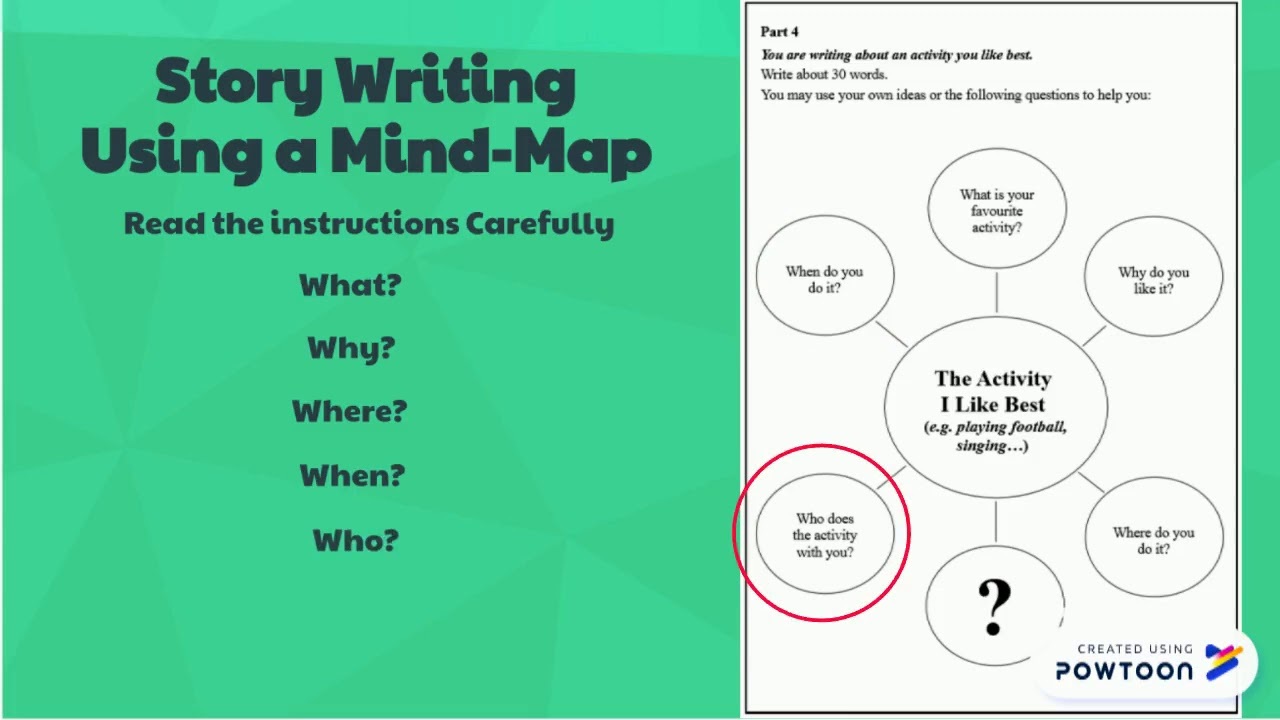
A thorough analysis of a film or story necessitates careful consideration of its key elements. Mind mapping provides a visual framework to connect these elements, revealing intricate relationships and deeper meanings. This process involves selecting crucial components, understanding their significance, and exploring their interconnections. This section will detail how to identify and choose relevant elements for a comprehensive analysis.Selecting the right elements is pivotal to a meaningful analysis.
This involves identifying not only the surface-level aspects but also the underlying themes and motivations that drive the narrative. The goal is to discover the core message and artistic intent behind the work.
Crucial Components for Analysis
Understanding the fundamental elements that contribute to a film or story’s meaning is vital for effective analysis. This includes themes, characters, plot, and setting, along with the film’s or story’s context. Recognizing how these components interact and influence one another is key to developing a comprehensive understanding.
Selecting Relevant Themes
Themes are central to any narrative, representing the underlying ideas or messages explored within the story. Selecting relevant themes requires careful consideration of the narrative’s overall message. For instance, in a story exploring social injustice, themes of inequality, oppression, and resistance might be prominent. These themes can be explicitly stated or subtly woven into the narrative.
Selecting Relevant Characters
Characters are crucial to understanding the story’s progression and the development of themes. Selecting relevant characters for analysis involves considering their motivations, actions, and relationships with other characters. A character’s arc, or journey of change, can reveal important themes and contribute significantly to the story’s meaning. For example, in a coming-of-age story, the protagonist’s growth and challenges are often directly tied to the story’s central themes.
Selecting Relevant Plot Points
Plot points are the events that unfold within the story. Choosing relevant plot points for analysis involves identifying pivotal moments, conflicts, and resolutions that contribute to the story’s overall meaning. The sequence of events and how they impact characters and themes are crucial to understanding the story’s structure and message. A key plot point in a thriller might be the reveal of a hidden identity, which can significantly impact the narrative’s suspense and reveal underlying conflicts.
Considering Contextual Factors
Understanding the historical period, cultural background, and social context of the film or story is critical for a deeper analysis. These factors provide valuable insights into the author’s intent and the narrative’s meaning within a specific time and place. For example, a film set during the American Civil Rights Movement will likely explore themes of racial inequality and social change in the context of that era.
By considering the context, analysts can better understand the story’s nuances and cultural impact.
Distinguishing Significant from Insignificant Elements
Identifying significant elements requires discerning those that contribute meaningfully to the story’s overall meaning and those that are peripheral. In essence, significant elements are those that advance the narrative’s themes, develop characters, or enhance the plot in a meaningful way. Insignificant elements may be present but lack a direct connection to the core message. For instance, a character’s choice of clothing might be significant if it reflects their social status or inner turmoil.
Conversely, a minor detail like a specific type of flower in the background might be insignificant unless it holds symbolic meaning within the story.
Questions to Consider
- How do the chosen elements contribute to the story’s overall meaning?
- What are the relationships between the selected themes, characters, and plot points?
- How does the story’s context shape the chosen elements?
- What is the author’s potential intent behind the use of each element?
- What is the significance of the interactions between the elements?
Creating a Mind Map Structure
A well-structured mind map facilitates a deeper understanding of a film or story by visually representing the interconnected elements. This structured approach allows for a comprehensive analysis, revealing hidden relationships and patterns that might be missed in a linear format. Effective mind maps transform complex narratives into easily digestible visual representations, enhancing the analytical process.Creating a mind map is not just about organizing information; it’s about connecting ideas and fostering a more insightful understanding.
The key is to employ various organizational structures, incorporate visual cues, and tailor the map to the specific focus of the analysis. This visual approach can uncover the intricate details and underlying themes within the film or story, thus allowing a more comprehensive analysis.
Hierarchical Structures
A hierarchical structure mirrors the typical organizational structure of a story or film. The central theme or idea is placed at the top of the mind map, with subsequent branches representing major plot points, characters, or themes. Subsequent branches, in turn, can delve into supporting details and sub-themes. This structure clarifies the relationship between the main concepts and their constituent parts.
For example, a mind map analyzing a film’s plot might have the central theme at the top, with branches for the rising action, climax, falling action, and resolution. Further branches might depict specific events within each stage.
Radial Structures
A radial structure is a powerful way to represent the interconnectedness of ideas in a film. The central idea or theme forms the core of the mind map, and branches radiate outwards, representing related concepts, characters, or symbols. This format emphasizes the relationships between elements and how they contribute to the overall narrative. For instance, a mind map exploring a film’s symbolism could center on a particular recurring symbol, with branches illustrating its appearances in various scenes, the emotions it evokes, and its significance to the plot.
Other Visual Formats
Beyond hierarchical and radial structures, a mind map can adopt a variety of formats. For example, a “spider web” structure might be used to explore the motivations of a character. The character is at the center, with branches radiating out to represent their desires, fears, and conflicts. A “cluster” format might be useful for exploring the atmosphere and mood of a film, grouping related scenes and images around a central concept like “mystery” or “tension.” These formats enhance understanding and engagement by visualizing the relationships between various components in different ways.
Using Visual Cues
Colors, images, and other visual cues can significantly enhance the effectiveness of a mind map. Using different colors for different themes or characters can help visually distinguish between concepts. For instance, using a specific color to represent a recurring motif throughout the film can quickly identify patterns and relationships. Images can be used to visually represent specific concepts, characters, or scenes, making the map more engaging and memorable.
This visual approach can be a powerful tool to capture the essence of the narrative.
Sample Mind Map Structure: “The Sixth Sense”
This sample focuses on symbolism and character development.
- Central Theme: Facing the Unseen
- Branches:
- Character Development:
- Malcolm Crowe:
- Color: Deep Purple
- Images: A shattered mirror, a clock, an empty chair
- Symbolism: His past, guilt, inability to face the future
- Cole Sear:
- Color: Light Blue
- Images: A child’s drawing of a ghost, a boarded-up window
- Symbolism: His fear, the unseen world, and coming to terms with his own mortality.
- Malcolm Crowe:
- Symbolism:
- Mirrors:
- Color: Silver
- Image: A fractured mirror, reflecting a distorted reality
- Symbolism: The duality of the characters’ perspectives, the illusion versus reality.
- Ghosts:
- Color: Pale Grey
- Image: A silhouette, a spectral figure
- Symbolism: The past, unresolved issues, the unseen world
- Mirrors:
- Character Development:
Analyzing Relationships and Connections
A crucial aspect of film and story analysis involves understanding the intricate relationships between various elements. A mind map provides a visual framework to explore these connections, allowing for a deeper understanding of how characters, plot points, and themes interact and influence one another. This analysis reveals the underlying structure and meaning of the narrative. By mapping these relationships, we can identify cause-and-effect patterns, explore character motivations, and uncover the overall message of the work.
Identifying Relationships Between Elements
Understanding the connections between different elements within a film or story is key to insightful analysis. This involves identifying how characters interact, how plot points contribute to the overall narrative, and how themes are developed throughout the work. A mind map offers a dynamic space for exploring these connections, enabling the analyst to visually represent these relationships and their significance.
Representing Connections Between Characters, Plot Points, and Themes
To represent connections between characters, plot points, and themes effectively, consider using branches and sub-branches on the mind map. For example, a character’s actions (plot point) can be linked to their motivations (character trait) and the overall theme (e.g., greed, ambition). A branch representing the character’s motivation could then have sub-branches detailing specific desires or fears contributing to that motivation.
Similarly, plot points can be linked to themes through specific actions and consequences. These connections reveal the interweaving of narrative elements.
Highlighting Cause-and-Effect Relationships
Identifying cause-and-effect relationships within a narrative is essential for comprehending the story’s structure and impact. On a mind map, depict cause-and-effect relationships using arrows or connecting lines between plot points. For example, a character’s decision (cause) might lead to a specific event (effect), which in turn influences the development of a theme. The mind map visually demonstrates the chain of events and their consequences.
Use different colors or shapes to visually distinguish between causes and effects.
Comparing and Contrasting Approaches to Connecting Elements
Different approaches to connecting elements on a mind map can yield varying perspectives. One approach could focus on chronological order, showing the progression of events and their impact. Another approach might focus on thematic connections, highlighting how different elements contribute to the overall message. A third approach could emphasize character motivations, exploring how characters’ actions are driven by their desires and fears.
Experiment with various approaches to find the one that best illuminates the specific aspects of the narrative you wish to analyze.
Demonstrating Connections Between Characters and Their Motivations
A mind map can effectively illustrate the connections between characters and their motivations. For instance, a branch for a character can have sub-branches for their desires, fears, and values. These sub-branches can then be connected to plot points or other characters whose actions are influenced by those motivations. This visualization clarifies how character motivations drive the narrative and shape relationships between characters.
Consider using different colors or icons to distinguish between different types of motivations. For example, red for fear, blue for ambition, and green for love.
Exploring Themes and Motifs
Identifying the key themes and motifs within a film or story is crucial for a comprehensive analysis. Themes are overarching ideas or concepts explored throughout the narrative, while motifs are recurring elements—symbols, images, or situations—that contribute to the development of these themes. Understanding their interplay provides a deeper insight into the director’s or author’s intent and the overall message of the work.A careful examination of themes and motifs within a mind map allows for a visual representation of the interconnectedness of ideas.
This visual approach can reveal subtle relationships and complexities that might be missed in a linear analysis.
Identifying Key Themes and Motifs
Understanding the central ideas and recurring elements in a story is fundamental to analyzing its deeper meaning. This involves identifying the main themes—the overarching ideas the story explores—and recognizing recurring motifs—elements like symbols, imagery, or situations that appear repeatedly. The identification process requires careful attention to details within the narrative. Consider how characters act and react, the situations they face, and the setting in which the story unfolds.
Pay close attention to symbolic imagery and recurring situations; these often hint at deeper themes and contribute to the overall message.
Visualizing Themes and Motifs in a Mind Map
A mind map offers a dynamic and interconnected way to visualize themes and motifs. The central idea, often the primary theme, sits at the center of the map. Branching out from this central idea are sub-themes and associated motifs. These branches can be further subdivided to illustrate the complexity of the relationships between different themes and motifs.
The mind map can be organized hierarchically, with broader themes at the top and more specific sub-themes and motifs branching from them.
Representing Recurring Symbols and Imagery
Recurring symbols and imagery are essential to understanding the themes of a film or story. These elements often act as visual or symbolic representations of the themes. Within a mind map, these recurring elements can be visually represented using icons, images, or s associated with them. For instance, a recurring image of a bird could be linked to the theme of freedom or migration.
A color palette could be associated with a particular character’s emotional state or a recurring setting. These visual representations enhance the interconnectedness of the elements on the map.
Exploring the Interplay Between Themes and Motifs
Examining the relationships between themes and motifs is crucial for a thorough analysis. For example, a recurring motif of a character’s isolation might reinforce the theme of loneliness or alienation. By connecting these elements visually on a mind map, one can explore how they influence and support each other, revealing the complexities of the narrative. The map should illustrate how these elements contribute to the overall message or meaning.
The visual representation helps clarify the intricate connections between different elements and reveals the author’s intended message.
Sample Mind Map: The Great Gatsby
| Central Theme | Sub-Theme 1 | Sub-Theme 2 | Recurring Motif 1 | Recurring Motif 2 |
|---|---|---|---|---|
| The American Dream | Materialism | Loss and Illusion | Green Light | Parties and Festivities |
| Wealth and Status | Past Regrets | Empty Rituals | ||
| Social Status |
This table represents a simplified sample of a mind map for F. Scott Fitzgerald’sThe Great Gatsby*. The central theme, “The American Dream,” branches into sub-themes like materialism and loss. The recurring motifs, like the green light and lavish parties, are linked to these sub-themes, providing a visual representation of their connection to the core idea. This simplified map offers a basic framework; a more detailed mind map would include further connections and details for each element.
Visualizing Characters and Their Development
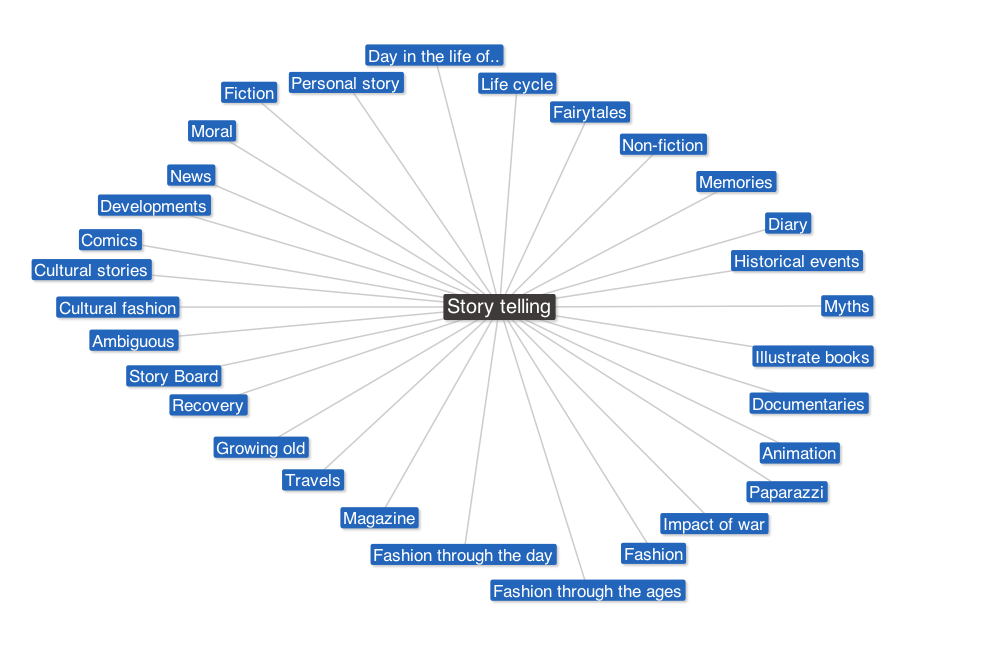
Understanding character development is crucial for a comprehensive film or story analysis. Visualizing characters and their evolution within a mind map allows for a deeper exploration of motivations, relationships, and the overall narrative arc. This method provides a dynamic and interconnected representation of the characters’ journeys.Character analysis is not merely about identifying traits but also about understanding how those traits change and adapt throughout the story.
A mind map provides a flexible framework to track these shifts, enabling a clear picture of the character’s internal and external transformations. This visualization method allows for a detailed examination of character growth, highlighting the factors that contribute to the character’s journey.
Representing Characters and Their Development
A mind map facilitates a visual representation of characters by using nodes to depict individual characters and their attributes. Connecting nodes can illustrate relationships and conflicts. This allows for a comprehensive understanding of character dynamics and how they affect the narrative. For example, a central node representing the protagonist can branch out to nodes illustrating their relationships with other characters, such as friends, enemies, or family members.
Illustrating Character Arcs and Motivations
Character arcs, the progression of a character’s development throughout a narrative, are effectively visualized through a mind map. The character’s initial state, represented by a node, can be linked to nodes illustrating key events that shape their transformation. For example, a node representing a character’s initial fear of public speaking could be linked to a node depicting a pivotal moment where they overcome this fear.
The evolution of their motivations, from fear to confidence, can be clearly tracked. Arrows can be used to illustrate the direction and progression of these transformations.
Highlighting Character Relationships and Conflicts
Mind maps are ideal for representing character relationships and conflicts. A node representing a character can be connected to nodes representing other characters with whom they interact. These connections can be further elaborated upon by noting the nature of the relationship (e.g., friendly, adversarial, familial). Conflict nodes can be placed strategically to showcase the source of conflict and its impact on the characters involved.
Using colors or shapes can differentiate between different types of relationships, adding another layer of visual complexity to the map.
Using Imagery and Color to Represent Character Traits and Emotions
Color and imagery can enhance the representation of character traits and emotions. For example, a character known for their warmth and kindness could be represented by a node with a warm, inviting color, such as yellow or orange. A character experiencing fear could be depicted with a node that incorporates cooler colors, like blue or purple. Imagery can be used to reinforce these traits.
For instance, a character associated with nature could be represented with foliage imagery or a green color scheme. A character associated with darkness could be represented by darker shades and imagery of shadows or night.
Example Mind Map: The Evolution of a Character
 Protagonist:  Eleanor

(Central Node, depicted as a stylized portrait or icon of Eleanor)

 Initial State (Eleanor)
- Shy
- Introverted
- Fearful of public speaking
-  (Visual representation: a small, closed-off icon in a pale color)

 Event 1:  Public Speaking Competition
- (Visual representation: a speech bubble with the word "Competition")
- (Connecting line to Eleanor's initial state, with an arrow indicating a turning point)

 Mid-Point (Eleanor)
- Beginning to gain confidence
-  (Visual representation: a slightly larger icon, with slightly brighter color)

 Event 2:  Support from Friend
- (Visual representation: an icon of a friend, linked to Eleanor with a supporting line)
- (Connecting line to Mid-point Eleanor, indicating encouragement)

 Final State (Eleanor)
- Confident
- Articulate
- Leader
- (Visual representation: a large, bold icon with vibrant color)
- (Connecting line to the mid-point, showing the culmination of the character arc)
This example demonstrates how a mind map can visually track the progression and evolution of a character’s journey.
The use of imagery, colors, and connecting lines clearly illustrates the character’s transformation from shyness to confidence.
Analyzing Narrative Structure and Plot

Understanding the narrative structure and plot progression is crucial for a comprehensive film or story analysis. A well-defined plot, with its various elements, is the backbone of a narrative, driving the story forward and influencing the audience’s experience. Analyzing these elements allows us to understand the choices made by the storyteller and how they contribute to the overall meaning.
Analyzing the narrative structure of a film or story reveals not only how the plot unfolds but also the underlying intentions and motivations of the author. This analysis provides insight into the storytelling techniques used, including how cause-and-effect relationships are established, and how the plot’s progression influences the characters and themes. By mapping these elements, a mind map provides a visual representation that facilitates a deeper understanding of the story’s design.
Illustrating Plot Points and their Sequence
A mind map can effectively visualize the sequence of plot points. Each plot point can be represented as a branch emanating from the central theme or idea, showing the chronological order of events. This visual arrangement allows for a clear overview of the narrative’s progression, from the initial setup to the resolution. This hierarchical structure is helpful in understanding how different parts of the story contribute to the overall plot.
For example, the inciting incident, rising action, climax, and falling action can be visually connected to demonstrate the flow of events.
Visualizing Turning Points, Climaxes, and Resolutions
Turning points, climaxes, and resolutions are significant moments in a story that significantly alter the plot’s trajectory. In a mind map, these pivotal moments can be represented by larger, more prominent branches or nodes. A turning point can be illustrated as a key decision or event that leads to a shift in the narrative. The climax, the point of highest tension and conflict, can be represented by a central node with radiating branches showing the consequences.
The resolution, where the conflict is resolved, can be shown as a final branch that concludes the narrative’s journey.
Illustrating Narrative Structure and Plot Development
The narrative structure and plot development are often interconnected. A mind map allows you to represent the structure by using different colors or shapes for different stages of the plot. For instance, you could use a different color to represent the rising action, a contrasting color for the climax, and another for the resolution. This visual differentiation helps in distinguishing between various plot stages and highlighting their importance.
Different types of plot structures, such as linear, episodic, or cyclical, can be illustrated with varying branch shapes and connections.
Highlighting Cause-and-Effect Relationships within the Plot
Cause-and-effect relationships are fundamental to understanding plot development. In a mind map, you can represent the cause as a branch leading to the effect. Using arrows or connecting lines between plot points visually demonstrates these relationships. This helps in illustrating how one event leads to another, influencing the character’s actions and the story’s progression. A mind map facilitates understanding how various plot points are interconnected and how each contributes to the overall effect.
Mind Map Example: Plot Progression of a Story
         The Quest for the Lost Artifact

         Central Idea: Finding the lost artifact

         Setup:

-  Mystery surrounding the artifact's disappearance.

-  Introduction of the protagonist.

-  Initial challenges.

         Rising Action:

-  Protagonist discovers clues.

-  Enters a dangerous place to find the artifact.

-  Obstacles encountered.

-  Meeting allies/enemies.

         Turning Point:

-  Loss of a key ally.

-  Discovery of a hidden chamber.

-  Change in the protagonist's strategy.

         Climax:

-  Confrontation with the antagonist.

-  High-stakes challenge.

         Falling Action:

-  Consequences of the climax.

-  Protagonist's escape/victory.

         Resolution:

-  Artifact's fate.

-  Protagonist's future.
This example demonstrates a basic plot structure visually represented in a mind map format. Each plot point is a branch from the central idea, and the connections illustrate the cause-and-effect relationships between events.
Analyzing Cinematic Techniques
Analyzing cinematic techniques is crucial for understanding a film’s artistry and impact. By dissecting how filmmakers utilize various elements like cinematography, editing, and sound design, we gain deeper insights into the intended message and emotional response. A mind map offers a visual and interconnected approach to this analysis, allowing for a comprehensive overview of how these techniques contribute to the overall narrative.
Employing a mind map for cinematic technique analysis facilitates a systematic approach. This method encourages connections between different aspects of a film, revealing how choices in one area influence and interact with others. This interconnectedness, visually represented on the mind map, aids in comprehending the director’s creative vision.
Analyzing Cinematography
Cinematography, encompassing camera angles, shots, and visual composition, profoundly shapes the audience’s experience. A mind map effectively organizes these elements, allowing for a clear representation of how visual choices contribute to the film’s narrative and thematic development.
- Camera Angles and Shots: Representing camera angles (e.g., low angle, high angle, eye-level) and shots (e.g., close-up, long shot, establishing shot) on a mind map involves creating branches that connect these elements to the scenes where they are used. Visual representations, such as simple diagrams or even sketches, can further clarify the impact of these choices. For example, a low angle shot of a character could be linked to a branch labeled “Power Dynamics” to illustrate the character’s perceived dominance.
A long shot of a vast landscape could be linked to “Isolation” or “Vastness” branches.
- Visual Composition: The arrangement of elements within the frame (e.g., rule of thirds, leading lines, symmetry) is crucial for visual storytelling. A mind map can visually represent these elements and connect them to their impact on the audience’s perception. For example, a scene using the rule of thirds to emphasize a character’s vulnerability can be linked to a branch representing “Character’s Vulnerability.”
- Lighting: Lighting choices (e.g., high key, low key, natural light) dramatically affect mood and atmosphere. On a mind map, different lighting styles can be linked to scenes and associated emotional states. For instance, a high-key scene could be connected to a branch labeled “Joyfulness” or “Hope.”
Analyzing Editing
Film editing techniques significantly influence pacing, rhythm, and the audience’s interpretation. A mind map can illustrate how specific cuts, transitions, and pacing strategies shape the narrative flow.
- Cuts and Transitions: Different types of cuts (e.g., jump cuts, match cuts) and transitions (e.g., fade-in, dissolve) can be represented on a mind map by connecting them to the scenes where they appear. A jump cut could be connected to a branch representing “Disruption” or “Sudden Change,” while a match cut could be linked to “Continuity” or “Comparison.”
- Pacing: Fast cuts create a sense of urgency, while slow cuts can build tension or emphasize a moment. A mind map can visually illustrate how editing choices influence the film’s rhythm and the emotional response they elicit. For instance, a montage of quick cuts could be connected to “Action-Packed Sequence” and linked to the narrative element of rapid decision-making.
Analyzing Sound Design
Sound design plays a vital role in establishing atmosphere, creating mood, and reinforcing narrative elements. A mind map can illustrate the different sound elements and their impact on the film’s overall effect.
- Diegetic and Non-Diegetic Sound: A mind map can effectively illustrate how diegetic sound (sound originating from within the film’s world) and non-diegetic sound (sound not originating from within the film’s world) create distinct effects. Diegetic sound can be connected to branches like “Environmental Sound,” while non-diegetic sound can be linked to “Commentary” or “Emotional Response.”
- Music: A film’s score can significantly impact the emotional response of the audience. A mind map can illustrate how different musical themes, tempos, and instruments create specific atmospheres and reinforce narrative beats. A dramatic crescendo in the music could be linked to a branch labeled “Climax.”
- Sound Effects: Sound effects are essential for creating a realistic and immersive experience. A mind map can visually represent how sound effects are used to enhance the narrative and add layers of realism. For instance, a specific sound effect used during a chase scene can be connected to “Tension” or “Speed.”
Example: Analyzing a Scene’s Cinematography
Let’s consider a scene where a character is standing on a rooftop at night. A mind map for this scene might have a central branch labeled “Rooftop Scene.” From this branch, sub-branches could emanate for different elements: “High Angle Shot” to represent the camera’s position, “Night Setting” for the time of day, and “Cityscape View” to capture the scene’s context.
The high angle shot might be linked to “Loss of Power,” and the cityscape view to “Isolation.” Other sub-branches could illustrate the specific lighting, composition, and color palette used, further deepening the analysis of the director’s choices.
Wrap-Up
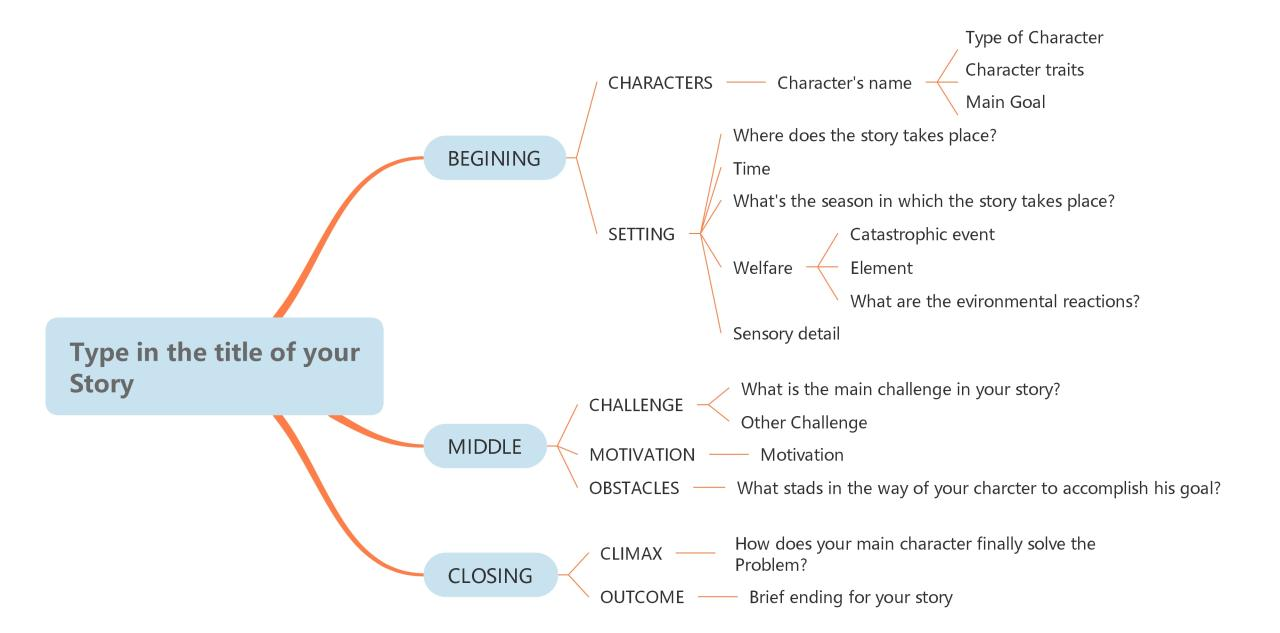
In conclusion, this guide has provided a practical and insightful approach to analyzing films and stories using mind maps. By systematically identifying key elements, constructing effective mind map structures, and exploring relationships between plot points, characters, and themes, you can gain a deeper appreciation for the craft of storytelling. Whether you’re a student, a filmmaker, or simply a passionate viewer, this technique empowers you to interpret narratives on a more profound level.