Crafting a successful marketing campaign requires meticulous planning and a clear vision. This guide dives deep into the art of strategic campaign development, demonstrating how mind mapping can be a powerful tool for organizing ideas, visualizing strategies, and ultimately achieving your marketing objectives. From defining clear goals to analyzing results, we’ll explore every crucial step, equipping you with the knowledge and tools to create campaigns that resonate with your target audience and drive tangible results.
This comprehensive guide will walk you through the process of planning a marketing campaign using mind maps. We will cover essential elements such as defining your marketing goals, identifying your target audience, brainstorming marketing ideas, crafting your strategy, developing materials, implementing the campaign, and finally analyzing and optimizing your efforts. By the end, you’ll have a structured approach to planning and executing campaigns that maximize their impact.
Defining the Marketing Goal
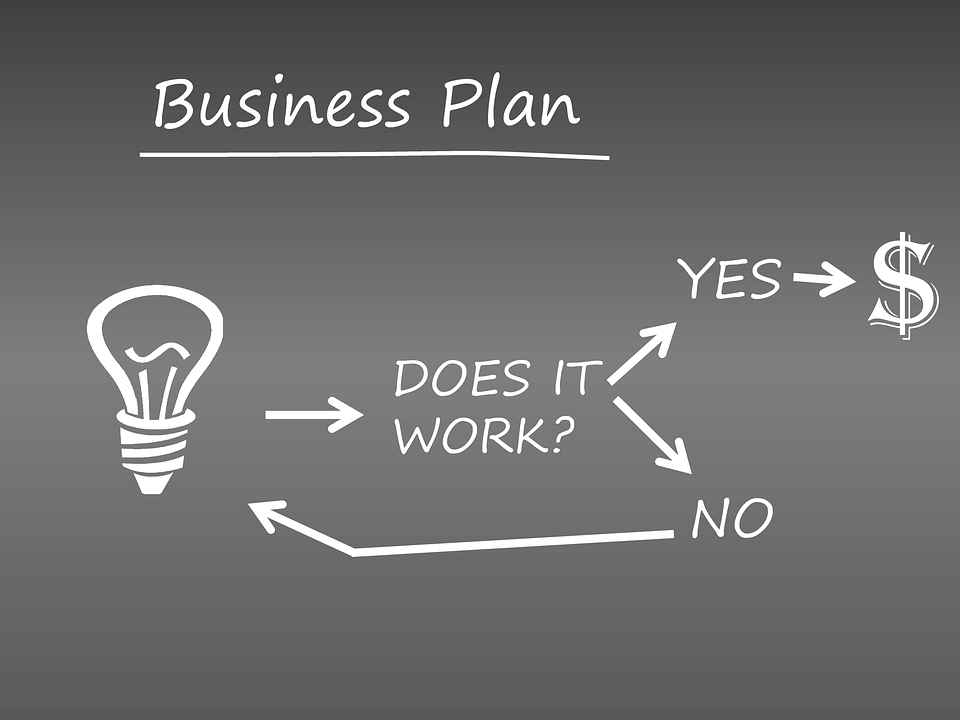
A well-defined marketing goal is the cornerstone of any successful campaign. It provides direction, focus, and a measurable benchmark for evaluating progress. Without a clear objective, efforts can become scattered and less effective, leading to wasted resources and missed opportunities. Clearly articulating the desired outcomes allows for the development of targeted strategies and the allocation of appropriate resources.Defining the marketing goal involves a deep understanding of the desired outcome, identifying the specific metrics that will measure success, and establishing a timeframe for achieving the objective.
This ensures that the entire team understands the purpose of the campaign and works collaboratively towards a shared vision.
Measurable Marketing Goals
Establishing measurable goals is crucial for evaluating the effectiveness of a marketing campaign. These goals should be specific, measurable, achievable, relevant, and time-bound (SMART). Examples of measurable marketing goals include increasing brand awareness, generating leads, or boosting sales. Quantifying these goals is essential to tracking progress and demonstrating the campaign’s impact.For instance, a goal of “increasing brand awareness” could be translated into a measurable target, such as a 15% increase in social media engagement within three months.
A “lead generation” goal might be defined as acquiring 50 qualified leads through a specific online campaign within a two-month period. A sales goal might aim for a 10% rise in revenue generated from a particular product line within the next quarter.
Marketing Campaign Types and Objectives
Different marketing campaign types often have distinct objectives. Understanding these types and their typical goals helps in aligning campaign objectives with the chosen approach.
- Awareness Campaigns: These campaigns aim to raise the visibility of a brand, product, or service. Typical objectives include increasing brand recognition, improving social media engagement, or driving website traffic. Examples include launching a social media contest or running a public relations campaign.
- Lead Generation Campaigns: These campaigns focus on attracting potential customers and converting them into leads. Common objectives include collecting contact information, nurturing leads, and qualifying potential customers. Examples include offering downloadable content in exchange for email addresses or running targeted advertising campaigns.
- Sales Promotion Campaigns: These campaigns aim to stimulate immediate sales and increase revenue. Common objectives include increasing sales volume, boosting conversion rates, and driving sales through promotions like discounts or limited-time offers. Examples include running flash sales or creating special bundles.
- Customer Retention Campaigns: These campaigns focus on building customer loyalty and encouraging repeat purchases. Typical objectives include increasing customer lifetime value, improving customer satisfaction, and enhancing customer engagement. Examples include loyalty programs, customer surveys, and personalized communication.
Using Mind Maps for Clarifying Campaign Outcomes
Mind maps can be instrumental in visualizing and clarifying the desired outcomes of a marketing campaign. By visually connecting related ideas and objectives, a mind map facilitates a comprehensive understanding of the campaign’s goals and how various elements interrelate.
| Marketing Campaign Type | Typical Objectives |
|---|---|
| Awareness | Increased brand recognition, higher social media engagement, improved website traffic |
| Lead Generation | Collected contact information, nurtured leads, qualified potential customers |
| Sales Promotion | Increased sales volume, higher conversion rates, promotions |
| Customer Retention | Increased customer lifetime value, improved customer satisfaction, enhanced customer engagement |
Using a mind map allows for a clear visualization of the campaign’s goals, objectives, and the relationships between different elements. This visual representation can lead to a better understanding of the desired outcomes and aid in developing more effective strategies. It provides a framework for brainstorming, prioritizing tasks, and ensuring alignment across the entire team.
Identifying the Target Audience
Understanding your target audience is crucial for a successful marketing campaign. It allows you to tailor your message, channels, and overall strategy to resonate with the specific needs and desires of your ideal customer. By thoroughly defining your target audience, you can optimize your marketing efforts and achieve better results.Identifying the right target audience is more than just knowing their demographics.
It’s about delving deeper into their motivations, behaviors, and pain points to craft a message that truly speaks to them. This involves creating detailed audience personas that serve as a guide throughout the entire campaign.
Creating Detailed Audience Personas
Understanding your target audience involves developing detailed audience personas. These personas are fictional representations of your ideal customers. They’re not just demographic data; they incorporate psychographic insights, lifestyle details, and pain points. This deep understanding is invaluable for crafting targeted and impactful marketing campaigns. Mind mapping is an effective tool to create these personas, breaking down the complexities into manageable categories.
Organizing Target Audience Characteristics in a Mind Map
A mind map allows for a visual representation of your target audience’s characteristics. Start with the central theme, “Target Audience,” and branch out to key categories like demographics, psychographics, and behaviors. Under each category, list specific details. For example, under “Demographics,” you might include age, location, gender, income, and occupation. Under “Psychographics,” you might include values, interests, lifestyle, and motivations.
The branches will be connected by lines, creating a visual representation of the relationships between these characteristics. This structured approach allows for a holistic view of your target audience. Visualizing these details in a mind map allows for a comprehensive overview of the target audience and their intricacies.
Types of Audience Segmentation
Effective audience segmentation is essential for tailored marketing strategies. It involves categorizing your audience into distinct groups based on shared characteristics. This detailed segmentation allows you to tailor your messaging and campaigns to each segment’s specific needs and preferences. The following table illustrates different types of audience segmentation:
| Type of Segmentation | Description |
|---|---|
| Demographic | Categorizes audiences based on age, gender, location, income, occupation, education, family status, etc. |
| Geographic | Focuses on the location of the audience, such as city, state, country, or region. |
| Psychographic | Examines audience values, interests, lifestyle, personality traits, and attitudes. |
| Behavioral | Analyzes audience purchasing habits, website activity, and interactions with your brand. |
| Needs-based | Identifies audience needs and pain points, and categorizes them based on these factors. |
Understanding Needs and Motivations
Understanding the needs and motivations of your target audience is critical for crafting effective marketing messages. By understanding their desires and pain points, you can tailor your messaging to resonate with them on a deeper level. This leads to higher engagement and ultimately, greater conversions. This understanding should guide every aspect of your marketing campaign. A thorough understanding of the target audience’s motivations and needs is crucial to crafting persuasive and relevant marketing materials.
Brainstorming Marketing Ideas
A crucial step in developing a successful marketing campaign is the brainstorming of innovative ideas. This phase allows for the exploration of diverse strategies and the generation of creative solutions tailored to achieve the campaign’s objectives. Effective brainstorming not only fuels the campaign’s momentum but also helps in adapting to evolving market trends and ensuring a competitive edge.
Generating a wide array of marketing ideas is essential for a robust and comprehensive campaign. This process allows for the exploration of different approaches and ensures that the campaign remains adaptable to market changes and maintains a competitive advantage. By considering various perspectives and methodologies, a campaign can be more likely to resonate with the target audience and achieve its desired outcomes.
Importance of Brainstorming
Brainstorming marketing ideas is paramount to a successful campaign. A comprehensive range of ideas provides a foundation for developing targeted strategies that address the campaign’s objectives and resonate with the target audience. This exploration leads to more robust strategies and a higher probability of achieving desired outcomes.
Diverse Marketing Ideas
A mind map, as a visual tool, facilitates the generation of a wide variety of marketing ideas. These ideas can encompass a broad spectrum of strategies, from social media campaigns to content marketing, public relations initiatives, and even experiential marketing events. Examples might include creating engaging social media content, developing a compelling influencer marketing strategy, organizing interactive workshops, or sponsoring industry events.
Methods of Idea Generation
Mind mapping offers several methods for generating creative and original marketing ideas. One approach is to start with the campaign’s objectives and then branch out to different potential strategies. Another method is to focus on the target audience’s needs and pain points, then develop ideas to address those needs. Still another is to consider competitors’ successful strategies and identify areas for improvement or innovation.
Mind mapping facilitates the organization of these ideas into interconnected concepts, which further promotes innovative thinking.
Categorizing and Organizing Ideas
Mind mapping effectively categorizes and organizes generated marketing ideas. By visually connecting related concepts, the process reveals patterns and relationships that might not be apparent through linear brainstorming. This visual representation allows for a clear overview of the different ideas and their potential interdependencies, facilitating more informed decision-making and strategy development.
Identifying and Evaluating Ideas
Identifying and evaluating marketing ideas based on campaign goals and target audience is crucial. This involves assessing the feasibility, cost-effectiveness, and potential impact of each idea on the target audience. Ideas that align with the campaign’s overall objectives and resonate with the target audience should be prioritized. Thorough evaluation helps ensure the chosen ideas are most likely to achieve the campaign’s intended results.
Crafting the Marketing Strategy
A well-defined marketing strategy is the cornerstone of a successful marketing campaign. It Artikels the specific actions and channels needed to achieve the defined marketing goals. A robust strategy connects the “why” (goals) with the “how” (tactics) to drive desired results.A comprehensive strategy is not just a list of tasks; it’s a roadmap that considers the nuances of the target audience, the competitive landscape, and the overall marketing environment.
This careful consideration ensures that efforts are focused and impactful, optimizing resources and maximizing ROI.
Defining Marketing Tactics
A crucial aspect of crafting a marketing strategy is identifying the specific tactics that will be used to reach the target audience. These tactics are the individual actions that form part of the broader strategy. Different marketing channels offer various tools to engage and convert prospects. A mind map is invaluable in visualizing these interconnected tactics and channels.
- Content Marketing: Creating and sharing valuable, relevant content to attract and engage a target audience. Examples include blog posts, articles, infographics, videos, and social media updates. Content marketing builds trust and establishes authority, which is critical in today’s digital landscape.
- Social Media Marketing: Leveraging social media platforms to connect with the target audience, build brand awareness, and drive engagement. This involves strategic posting, community management, and advertising on relevant platforms.
- Search Engine Optimization (): Optimizing website content and structure to improve visibility in search engine results pages (SERPs). Effective increases organic traffic and improves online presence.
- Paid Advertising (PPC): Using paid advertising campaigns on platforms like Google Ads or social media to target specific demographics and interests. PPC allows for precise targeting and quick results.
Using a Mind Map for Channel Integration
A mind map provides a visual representation of the interconnectedness of different marketing channels and tactics. This visual representation facilitates understanding how various channels can work synergistically to achieve campaign goals. By connecting different elements, a mind map allows marketers to see the bigger picture and identify potential overlaps or gaps in their strategy.
- Central Idea: The central idea of the mind map should be the overall marketing campaign goal. This goal is a guiding principle for all other branches of the map.
- Branches: The branches of the mind map represent the various marketing channels and tactics. Each branch can be further subdivided into specific activities.
- Connections: Connecting different branches highlights the relationships between channels. For example, content marketing can be connected to social media marketing to indicate that shared content will drive social media engagement.
Illustrative Marketing Plan
A well-structured mind map for a marketing campaign visually illustrates a step-by-step plan. It visually organizes the sequence of actions, allowing for a clear understanding of the timeline and the dependencies between different activities. The branches and sub-branches clearly show the steps involved in each phase of the campaign.
- Phase 1: Initial research and goal setting, market analysis, and defining the target audience.
- Phase 2: Developing content marketing strategy, creating social media content calendar, setting up strategy.
- Phase 3: Executing the plan, tracking progress, and analyzing results.
Marketing Channel Comparison
The table below provides a comparison of different marketing channels, highlighting their advantages and disadvantages. This information aids in strategic decision-making regarding the allocation of resources and the selection of appropriate channels for the target audience.
| Marketing Channel | Advantages | Disadvantages |
|---|---|---|
| Social Media Marketing | Targeted reach, cost-effectiveness, direct engagement | Requires consistent effort, algorithm changes can impact visibility |
| Content Marketing | Builds brand authority, attracts organic traffic, long-term value | Time-consuming, results take time to materialize |
| Search Engine Optimization () | High visibility, cost-effective in the long run | Results take time to show, requires ongoing optimization |
| Paid Advertising (PPC) | Measurable results, quick visibility, precise targeting | Requires budget allocation, cost-per-click can vary |
Integrating a Timeline
A mind map can also be used to illustrate a timeline for the marketing campaign. This visual representation clearly displays the start and end dates for each task and the dependencies between them. This helps in planning and managing the campaign effectively, ensuring that tasks are completed on schedule. This approach allows for a clear understanding of the overall timeline, ensuring timely completion of all critical tasks.
Developing the Marketing Materials
Compelling marketing materials are crucial for effectively communicating your message and achieving your campaign goals. They act as the visual and textual representation of your brand and its value proposition, influencing potential customers’ perception and ultimately driving conversions. High-quality materials capture attention, establish credibility, and resonate with your target audience.A well-structured approach to developing marketing materials is essential.
Leveraging a mind map allows you to organize ideas, brainstorm concepts, and visualize connections between different elements of your campaign. This structured approach helps in ensuring consistency and cohesiveness across all marketing channels. This will lead to a more impactful and memorable campaign.
Importance of Compelling Marketing Materials
Effective marketing materials are more than just aesthetically pleasing; they are a strategic investment that translates into tangible results. They build brand recognition, foster customer engagement, and drive conversions. They communicate value propositions, establish credibility, and provide a unified brand experience.
Examples of Marketing Materials
Various formats serve as effective marketing materials. Brochures provide detailed information, social media posts engage audiences with brief, captivating content, and advertisements aim to attract attention and generate immediate action. Each serves a specific purpose within the broader marketing campaign.
- Brochures: Brochures provide detailed information about products, services, or company offerings. They are valuable for conveying complex information, showcasing product features, and building trust with potential customers.
- Social Media Posts: These short-form content pieces engage audiences on social media platforms, often promoting products or services, creating brand awareness, and driving traffic to websites.
- Advertisements: Advertisements are designed to capture attention and generate immediate action. They use persuasive language and visually appealing elements to encourage customers to purchase products or services.
Developing Marketing Materials Using a Mind Map
A mind map provides a visual framework for organizing the content of your marketing materials. By connecting related ideas and concepts, you can ensure that your materials are cohesive and consistent with your overall marketing strategy.
- Structuring Content: Use the mind map to Artikel the key information, benefits, and unique selling points that you want to convey in each marketing material. Branching out from the central idea will allow you to develop a logical flow of information.
- Visualizing Connections: Connect related elements visually to highlight connections between different aspects of your marketing campaign. This visual representation helps in understanding the overall message and ensures consistency across platforms.
Marketing Material Formats and Effectiveness
The choice of marketing material format depends on your target audience, campaign goals, and budget. Different formats have varying degrees of effectiveness.
| Marketing Material Format | Description | Effectiveness |
|---|---|---|
| Brochures | Detailed information, product/service descriptions | High for conveying complex information; effective for lead generation. |
| Social Media Posts | Short-form content, visual engagement | High for increasing brand awareness and driving website traffic; excellent for engaging younger audiences. |
| Advertisements | Captivating visuals, persuasive language | High for immediate action and conversions; effective for promoting time-sensitive offers. |
| Email Marketing | Targeted communication, personalized content | High for nurturing leads and driving sales; effective for building relationships with customers. |
Designing Engaging Marketing Visuals
Compelling visuals are essential for capturing attention and conveying your message effectively. Consider using high-quality images, graphics, and typography that align with your brand identity.
- Understanding Your Brand Identity: Ensure your visuals align with your brand’s overall aesthetic, colors, and messaging.
- Choosing High-Quality Images: Select images that are relevant, high-resolution, and accurately represent your products or services. Consider using professional photographers or stock photos from reputable sources.
- Using Appropriate Typography: Choose fonts that are easy to read, visually appealing, and align with your brand identity. Ensure sufficient contrast between text and background.
- Creating Consistent Visual Style: Maintain consistency in your color palette, fonts, and imagery across all marketing materials. This fosters brand recognition.
- Testing and Refining: Test different visuals with your target audience to see which ones resonate most effectively. Gather feedback and make necessary adjustments to optimize engagement.
Implementing the Marketing Campaign

A well-executed marketing campaign hinges on a robust implementation plan. This phase transforms the meticulously crafted strategy into tangible results. Careful planning ensures efficient resource allocation, timely execution, and the ability to adapt to unforeseen circumstances. A solid implementation strategy is crucial for maximizing the return on investment and achieving the desired outcomes.A well-defined implementation plan is essential for success.
It provides a roadmap for executing the campaign, outlining specific actions, deadlines, and responsibilities. This structured approach helps teams stay on track and fosters collaboration, ultimately leading to a more efficient and effective campaign.
Importance of a Defined Implementation Plan
A comprehensive implementation plan details the who, what, when, where, and how of the campaign’s execution. This structured approach ensures that all tasks are completed effectively and on time. It minimizes potential conflicts, clearly delineates roles and responsibilities, and fosters a shared understanding of the campaign’s objectives.
Mind Map for Tracking Progress and Adjustments
A mind map serves as a dynamic visual tool for tracking campaign progress. Branching out from the central theme of the campaign, the mind map can include individual tasks, timelines, and responsible parties. This visual representation facilitates real-time monitoring of progress, enabling quick identification of potential roadblocks and prompt adjustments to the plan. For example, if a particular task is falling behind schedule, the mind map allows for immediate identification and re-allocation of resources or adjustments to the timeline.
Actionable Steps for Campaign Execution
Executing a marketing campaign involves a series of actionable steps. These steps should be clearly defined, measurable, achievable, relevant, and time-bound (SMART). Examples include:
- Content Creation and Optimization: Publishing blog posts, creating social media content, optimizing website copy for relevant s, and promoting content through social media platforms.
- Social Media Engagement: Scheduling posts, monitoring comments and messages, responding to inquiries promptly, running targeted social media ads, and engaging with influencers.
- Email Marketing Campaign: Designing email templates, segmenting the email list, scheduling email sends, and monitoring open and click-through rates.
- Public Relations Outreach: Identifying media outlets, crafting press releases, pitching stories to journalists, and tracking media coverage.
Assigning Tasks and Responsibilities
Using a mind map to assign tasks and responsibilities creates a clear overview of the campaign’s workflow. Each branch can represent a specific task, clearly indicating the responsible individual or team. This ensures that everyone understands their role and facilitates seamless communication and collaboration. This detailed assignment helps maintain a high level of accountability throughout the campaign’s duration.
Key Performance Indicators (KPIs) for Tracking Success
Monitoring campaign performance is critical. The following table Artikels key performance indicators (KPIs) for tracking success. Tracking these KPIs provides valuable insights into the campaign’s effectiveness and areas for improvement.
| KPI | Description | Measurement Method |
|---|---|---|
| Website Traffic | Number of visitors to the website | Website analytics tools (e.g., Google Analytics) |
| Lead Generation | Number of qualified leads generated | CRM (Customer Relationship Management) system |
| Conversion Rate | Percentage of leads who convert into customers | Website analytics tools, CRM |
| Customer Acquisition Cost (CAC) | Cost of acquiring a new customer | Track marketing spend and divide by number of new customers |
| Return on Investment (ROI) | Profit generated relative to marketing investment | Calculate total revenue generated from the campaign and subtract the marketing spend. |
Analyzing and Optimizing the Campaign
A successful marketing campaign hinges not just on meticulous planning, but also on diligent analysis and adaptation. Post-campaign evaluation allows for a deeper understanding of what worked, what didn’t, and crucially, how to refine future efforts for enhanced results. This iterative process is vital for maximizing ROI and ensures campaigns are consistently effective.Analyzing a marketing campaign’s performance provides invaluable insights into its effectiveness and identifies areas for improvement.
It’s not simply about quantifying metrics; it’s about understanding the qualitative impact of the campaign on the target audience and the broader business goals.
Significance of Campaign Performance Analysis
Thorough analysis of campaign performance is crucial for understanding the effectiveness of the strategies employed. This understanding enables marketers to refine their approaches, leading to optimized results in future campaigns. By understanding what worked and what didn’t, businesses can make informed decisions and allocate resources more strategically.
Comprehensive Evaluation of Campaign Effectiveness
A comprehensive evaluation considers various metrics, both quantitative and qualitative. Key performance indicators (KPIs) such as website traffic, lead generation, conversion rates, social media engagement, and brand awareness should be tracked and analyzed. Qualitative feedback from surveys, customer interviews, and social media monitoring also offer invaluable insights into the campaign’s impact. Quantitative data, when paired with qualitative insights, provides a more nuanced and holistic view of the campaign’s success.
Identifying Areas for Improvement Using Mind Maps
Mind maps provide a visual framework for brainstorming potential areas for improvement. By mapping out the various aspects of the campaign, such as target audience, marketing materials, and campaign execution, marketers can pinpoint weaknesses and opportunities for optimization. Branching out from a central theme (e.g., “Campaign Optimization”), individual elements can be explored in detail, facilitating a structured approach to identifying improvement areas.
For instance, a mind map could illustrate how a specific marketing material failed to resonate with a particular demographic segment.
Data Gathering and Result Analysis Methods
Data collection should be systematic and comprehensive, encompassing various sources. Website analytics tools, social media analytics platforms, customer relationship management (CRM) systems, and survey responses provide crucial data points. Analyzing this data requires a structured approach. This involves identifying trends, patterns, and correlations in the collected data. For instance, a drop in website traffic could be linked to a specific marketing channel’s underperformance.
Adapting and Optimizing the Campaign Strategy
Adapting the campaign strategy is a critical step in optimizing performance. This involves modifying elements of the campaign based on the analysis of the data. For example, if a specific marketing channel proves ineffective, the budget allocation for that channel might be reduced. Alternatively, if a particular marketing material resonates strongly with a specific demographic, more resources can be allocated to replicate that success.
A thorough understanding of the data enables informed decision-making and ensures campaign strategies are agile and responsive. Furthermore, this adaptability ensures the campaign stays relevant and aligned with the evolving market dynamics.
Final Wrap-Up
In conclusion, planning a marketing campaign effectively involves a multi-faceted approach that encompasses goal definition, audience analysis, idea generation, strategy development, material creation, implementation, and rigorous evaluation. By integrating mind mapping techniques, you can streamline the process, ensuring that all elements are interconnected and aligned towards achieving your desired outcomes. This structured and visual approach allows for flexibility, adaptability, and the identification of potential areas for improvement, ultimately maximizing the effectiveness of your campaign.
Remember, a well-planned campaign is a successful campaign.