Unlocking the power of visual thinking, this guide explores the art of mind mapping. Delve into the intricacies of how mind maps can reveal hidden connections, transforming the way you approach problem-solving, idea generation, and information organization. From basic concepts to advanced applications, this comprehensive resource provides actionable strategies to master this powerful technique.
Discover how to generate creative ideas, identify latent relationships, and structure information effectively using mind maps. This guide equips you with the tools and techniques to navigate complex concepts and unlock innovative solutions. Explore various mind mapping formats, brainstorming methods, and practical applications across different domains, including business, education, and personal development.
Introduction to Mind Mapping
Mind maps are visual tools that help organize thoughts, ideas, and information in a structured and interconnected way. They provide a dynamic framework for brainstorming, problem-solving, and knowledge acquisition. Their effectiveness stems from their ability to capture the associative nature of the human mind, allowing users to explore connections and relationships between seemingly disparate concepts.Effective mind mapping hinges on several key principles.
These include the use of central s, branching out into related ideas, and connecting concepts through visual cues. The visual nature of mind maps fosters a deeper understanding of the interconnectedness of ideas, aiding in the discovery of hidden relationships. The hierarchical structure also promotes a clear and organized approach to complex subjects.
Core Principles of Mind Map Construction
Mind maps are built around a central idea or concept, often represented visually in the center of the page. From this core, branches radiate outward, each representing a sub-idea or related concept. Key words and phrases are used to label these branches, encouraging a visual representation of the subject’s structure. Color-coding and imagery can enhance understanding and memorization.
Connecting lines and shapes between branches further highlight the relationships between ideas.
Mind Map Formats
Different mind map formats cater to diverse needs and learning styles. The hierarchical format, a common structure, arranges ideas in a tree-like structure, with main topics at the top and s branching downward. This structure emphasizes the hierarchy of information. The radial format, also known as a spider diagram, spreads ideas outward from a central theme in a circular pattern.
This format promotes an associative exploration of ideas.
Visual Nature and Connection Discovery
The visual nature of mind maps is crucial for facilitating connection discovery. By visually representing concepts and their relationships, mind maps expose patterns and connections that might be missed when using linear methods. The use of colors, shapes, and images adds another layer of engagement, stimulating the brain and making the process more memorable. This approach enables users to synthesize information from various sources more efficiently, leading to deeper insights.
Simple Mind Map Structure
This table illustrates a simple mind map structure for planning a project:
| Central Idea | Branch 1 | Branch 2 |
|---|---|---|
| Project: Website Redesign | Phase 1: Planning
|
Phase 2: Design
– Prototyping |
Phase 3: Development
– Deployment |
Phase 4: Launch & Maintenance
|
Generating Ideas with Mind Maps
Mind maps are powerful tools for generating a wide range of ideas, fostering creativity, and unlocking innovative solutions. They provide a visual framework that encourages divergent thinking and allows for the exploration of diverse perspectives. This approach contrasts with linear brainstorming methods, enabling a more expansive and interconnected exploration of concepts.Effective mind map use promotes a non-linear thought process, which is crucial for generating a large quantity of ideas.
This visual representation facilitates the linking of seemingly disparate concepts, leading to novel connections and insights. This process of association, a key aspect of mind mapping, often reveals hidden relationships that might otherwise remain unnoticed.
Techniques for Generating a Large Quantity of Ideas
Generating a substantial number of ideas is essential for many creative endeavors. Mind maps facilitate this by allowing for rapid association and expansion of concepts. Techniques such as clustering, free writing, and the use of analogies can be incorporated to enhance idea generation. This structured approach ensures that ideas are not overlooked and helps explore a wider spectrum of possibilities.
- Clustering: Starting with a central theme, branches are created for s related to that theme. Further branching occurs with associated words and ideas, generating a network of interconnected concepts. This method fosters exploration and encourages a flow of ideas, expanding the scope of potential solutions.
- Free Writing: This involves writing down everything that comes to mind related to a topic, without judgment or criticism. This method allows for a rapid discharge of ideas, which can then be organized and categorized within the mind map structure. Free writing encourages a stream-of-consciousness approach to idea generation.
- Analogies: Identifying similarities between seemingly unrelated concepts can spark new ideas. This technique encourages creative leaps and explores diverse perspectives. Connecting seemingly distant concepts can lead to innovative solutions and approaches to problems.
Brainstorming Methods Integrated into Mind Map Creation
Brainstorming techniques can significantly enhance mind map creation, accelerating the generation of creative ideas. These techniques foster a collaborative and dynamic environment, maximizing the number of ideas produced. Several well-known methods, such as the “Six Thinking Hats” and “SCAMPER,” can be integrated effectively into the mind map structure.
- Six Thinking Hats: This method encourages the exploration of different perspectives (e.g., white hat – facts, black hat – negatives, yellow hat – positives). Each perspective can be visualized as a branch on the mind map, facilitating a more comprehensive examination of the topic.
- SCAMPER: This technique suggests modifications to existing ideas (Substitute, Combine, Adapt, Modify, Put to other uses, Eliminate, Reverse). Each modification can be represented as a new branch on the mind map, exploring different facets and possibilities of a concept.
Step-by-Step Guide to Using Mind Maps for Creative Idea Generation
A structured approach to mind map creation is key to generating innovative ideas. This guide provides a practical framework to facilitate this process.
- Define the Topic: Clearly articulate the central theme or problem you are trying to address.
- Central Idea: Place the central theme or problem at the core of the mind map.
- Branching Ideas: Generate related s and concepts from the central theme. Expand these branches with more detailed ideas and sub-ideas.
- Association and Connection: Connect related ideas through lines and visual cues to highlight relationships and patterns.
- Refine and Evaluate: Review the mind map for completeness and identify potential areas for improvement.
Organizing and Categorizing Ideas with Mind Maps
Organizing and categorizing ideas is essential for managing a large number of generated concepts. Mind maps offer a visual representation of ideas, enabling efficient categorization. Using different colors, shapes, and symbols can enhance the visual appeal and aid in the classification of related ideas.
| Brainstorming Technique | Integration with Mind Maps |
|---|---|
| Clustering | Generate branches from s associated with the central theme. |
| Free Writing | Record all ideas on branches emanating from the central theme. |
| Six Thinking Hats | Develop branches representing different perspectives (e.g., white, black, yellow). |
| SCAMPER | Create branches reflecting modifications and adaptations to existing ideas. |
Identifying Hidden Connections

Unveiling hidden connections between seemingly disparate ideas is a crucial aspect of effective problem-solving. These latent relationships can lead to innovative solutions and a deeper understanding of complex issues. Mind maps, with their visual representation of ideas and their interconnections, provide a powerful tool for uncovering these hidden connections.Identifying these often-overlooked relationships is essential to finding creative and effective solutions.
By connecting seemingly unrelated ideas, we can challenge conventional thinking and generate new perspectives. This process can lead to a more holistic understanding of a problem, paving the way for more innovative and impactful solutions.
Methods for Identifying Connections
Connecting seemingly unrelated ideas requires a systematic approach. A crucial step is to cultivate a mindset that embraces the possibility of unexpected relationships. This involves actively searching for connections and challenging preconceived notions.
- Brainstorming Related Concepts: Begin by brainstorming concepts related to the initial idea. Explore different facets and potential angles, even if they seem far-fetched at first. This initial exploration can lead to unexpected connections.
- Utilizing Analogies and Metaphors: Analogies and metaphors can bridge the gap between seemingly different concepts. Consider how one concept mirrors another in a different domain. For instance, the concept of “information overload” in a digital environment can be compared to the physical concept of “sensory overload.” Such comparisons can reveal unexpected relationships and lead to innovative solutions.
- Exploring Common Threads: Look for shared characteristics, principles, or underlying themes between different ideas. This often requires a careful analysis of the nature of the ideas, looking beyond surface-level differences to discover underlying similarities.
Using Mind Maps to Reveal Latent Relationships
Mind maps provide a visual framework for exploring connections between ideas. Their non-linear structure allows for the representation of complex relationships and promotes a flexible approach to problem-solving.
- Branching Out from Central Themes: Start with a central theme or problem. Branch out from this central node to related concepts, ideas, and possible solutions. As you branch, actively search for connections between these ideas. This process often reveals unexpected relationships.
- Linking Branches: Use connecting lines or arrows to link branches that seem to have a relationship. This visual representation can highlight connections that might not be immediately apparent in a linear format. The visual connections reinforce the links and highlight potential associations.
- Color Coding and Visual Cues: Color-code related ideas or concepts to visually group similar elements. This can help identify clusters of related ideas and reveal hidden connections. Use different colors for different categories or themes to make the relationships easier to spot.
The Role of Associations and Analogies
Associations and analogies play a crucial role in uncovering hidden connections. These tools allow us to bridge the gap between seemingly disparate ideas by drawing parallels and identifying commonalities.
- Drawing Analogies: Analogies, by their nature, are comparisons between different things. They can be extremely valuable in illuminating hidden connections. For example, the way a river carves a canyon over time can be analogous to the way a particular business strategy erodes a competitor’s market share.
- Identifying Associations: Associations are connections between concepts that are often learned or experienced together. For example, the word “apple” might evoke associations with “fruit,” “health,” or even “technology” (as in the Apple brand). These connections, often implicit, can be critical to finding hidden connections.
Creating a Mind Map for Connection Identification
This method involves a systematic approach to constructing a mind map that facilitates the identification of hidden connections.
- Define the Central Theme: Start by clearly defining the central theme or problem that you want to explore. This provides a focal point for your exploration.
- Generate Related Ideas: Brainstorm related ideas, concepts, and potential solutions. Don’t limit yourself to immediately obvious connections. Push your thinking to explore diverse possibilities.
- Identify Potential Connections: Look for links between these ideas. Consider similarities, contrasts, and potential relationships between concepts. Use analogies and associations to uncover unexpected connections.
- Visualize the Connections: Represent these connections visually on your mind map using lines, arrows, and other visual cues. This visualization makes the connections explicit and allows you to easily see the relationships.
Organizing and Structuring Information
Mind maps are powerful tools for not only generating ideas but also for organizing and structuring the vast amounts of information they can contain. Proper structuring allows for easier comprehension, identification of relationships, and effective recall. By employing specific techniques, users can transform a mind map from a collection of thoughts into a well-organized framework for understanding.Effective organization in a mind map facilitates the identification of hidden connections and patterns.
By categorizing and linking information in a structured manner, users can discover relationships that might otherwise remain unnoticed. This, in turn, enhances understanding and allows for more informed decision-making.
Hierarchical Structures in Mind Maps
A hierarchical structure mirrors the way information is often organized in the real world, with main topics branching into s and further details. This method ensures a clear and logical flow of information. The root concept, the central idea, forms the base of the hierarchy, with related concepts branching out from it. Each branch can further subdivide into more specific details.
A clear hierarchy helps users quickly grasp the overall structure and understand the relationships between different pieces of information.For example, if the central idea is “Project Management,” branches might include “Planning,” “Execution,” and “Monitoring.” Each of these branches could then be further subdivided into specific tasks and responsibilities. This hierarchical structure allows for a comprehensive and organized representation of the project.
Classifying and Categorizing Information
Mind maps can efficiently classify and categorize information. This process involves grouping related concepts under broader themes or categories. This approach improves comprehension and retrieval. For example, if researching “Sustainable Agriculture,” categories could include “Soil Health,” “Water Management,” and “Crop Selection.” Each category could then contain sub-categories, allowing for a detailed exploration of the topic. This classification aids in understanding the interrelationships within the broader concept.
Linking Information in Mind Maps
Linking information within a mind map is crucial for showcasing relationships. This involves connecting related ideas using lines or other visual cues. Linking clarifies the connections between ideas, enabling a deeper understanding of the subject matter. Using different colors, shapes, and symbols can further enhance this visualization, making the relationships even more apparent.
Using Colors and Symbols
Utilizing colors and symbols is an effective way to highlight connections and categorize information. Distinct colors can be associated with different categories, helping to visually separate and group similar ideas. Symbols can represent specific attributes or characteristics, further clarifying the relationship between different concepts. For instance, a green color might represent “Environment,” while a blue color could represent “Economy.” A leaf symbol could represent “Environmental Impact.”
Organizing Steps for Structuring Information
| Step | Action |
|---|---|
| 1 | Define the Central Idea: Identify the core concept or topic of your mind map. |
| 2 | Generate Main Branches: Brainstorm the major s or categories related to the central idea. |
| 3 | Develop Sub-Branches: Elaborate on each main branch by adding s and details. |
| 4 | Link and Connect: Establish connections between related ideas using lines, colors, and symbols. |
| 5 | Refine and Clarify: Review and refine the mind map to ensure clarity, accuracy, and completeness. |
Applying Mind Maps to Specific Domains
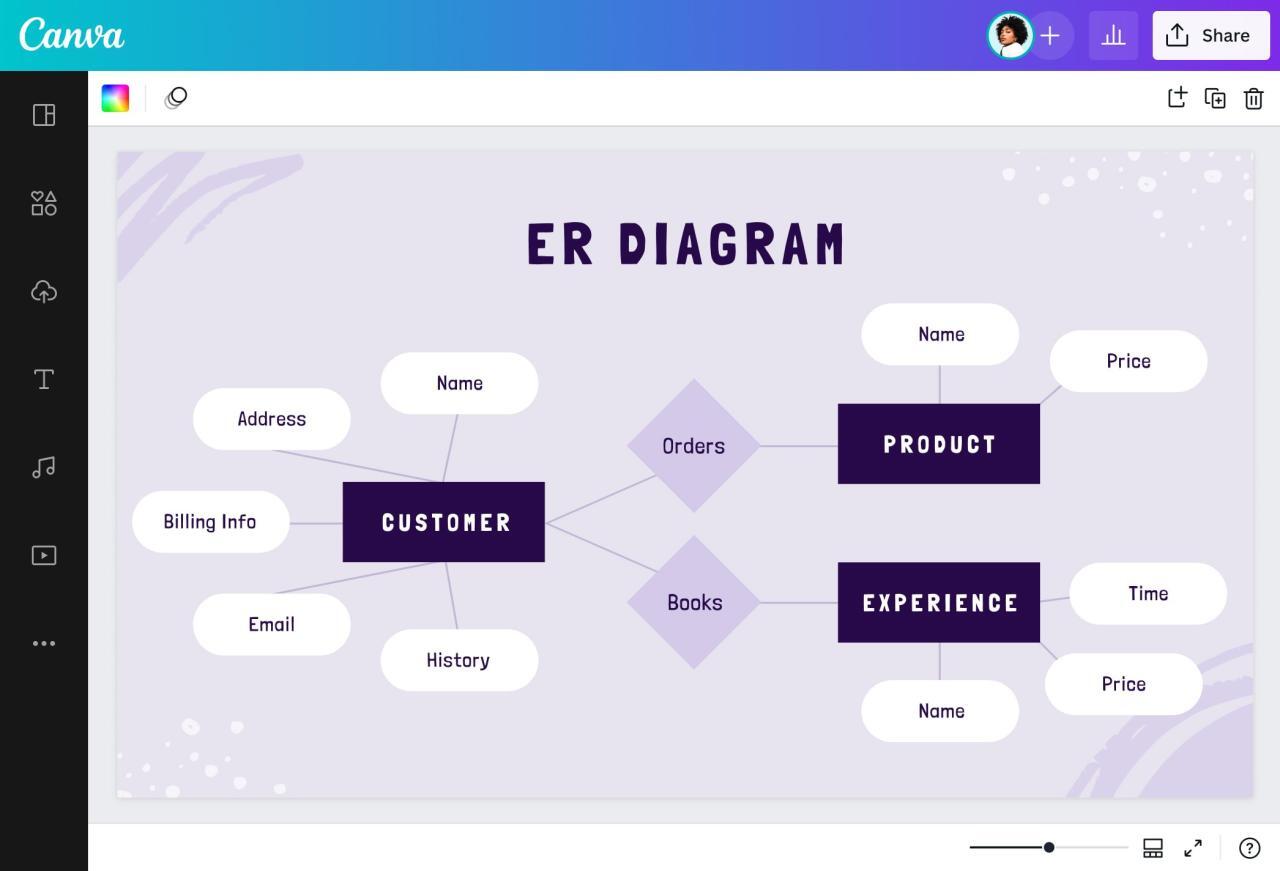
Mind maps are not confined to brainstorming sessions; they are powerful tools adaptable to a wide range of applications, from problem-solving in business to personal development strategies. Their ability to visually connect ideas facilitates a deeper understanding of complex issues and promotes innovative solutions. This section will demonstrate how mind maps can be effectively used across various domains, highlighting their utility in project planning, concept analysis, and problem resolution.Effective application of mind maps hinges on understanding the specific context and objectives.
By tailoring the map’s structure and content to the particular domain, individuals can leverage its visual representation to unlock hidden connections and accelerate progress towards desired outcomes.
Business Applications
Mind maps are exceptionally valuable in business for various tasks. They help streamline processes, foster innovation, and improve strategic decision-making. For example, a marketing team can use a mind map to explore various market segments, identify potential customer needs, and develop targeted strategies. Similarly, a project manager can employ a mind map to Artikel project timelines, allocate resources, and anticipate potential challenges.
- Strategic Planning: Mind maps can aid in the creation of strategic plans by visually representing the interconnectedness of different departments, goals, and initiatives. This visual representation fosters a holistic understanding of the organization’s strategic direction and encourages cross-functional collaboration.
- Problem Solving: In business, mind maps can help identify the root causes of problems by illustrating the various factors contributing to a particular issue. This visual approach helps break down complex issues into manageable parts, enabling a more comprehensive analysis and facilitating the development of effective solutions.
- Innovation and Idea Generation: Mind maps are instrumental in fostering creativity and generating new ideas. By visually linking seemingly unrelated concepts, teams can explore novel solutions and identify fresh perspectives on existing problems.
Educational Applications
In education, mind maps can be applied to enhance student learning and comprehension. By visually representing the relationships between concepts, mind maps can help students grasp complex subjects and retain information more effectively. For example, a student studying history can use a mind map to connect different historical events and figures, revealing the causal links and broader context.
- Concept Mapping: Mind maps serve as excellent tools for visualizing complex concepts. By illustrating the hierarchical relationships between ideas, students can develop a deeper understanding of the subject matter. A mind map on the solar system, for instance, can show the relationships between planets, their orbits, and the sun.
- Note-Taking: Students can use mind maps as an alternative to traditional note-taking. This allows them to organize information visually, making it easier to recall and understand concepts.
- Study Preparation: Students can use mind maps to prepare for exams. By visually summarizing key concepts, they can identify areas needing further study and develop a clear understanding of the material.
Personal Development Applications
Mind maps can be instrumental in personal development, supporting goal setting, self-reflection, and skill enhancement. For example, a person aiming to improve their health can use a mind map to Artikel their fitness goals, track progress, and identify potential obstacles.
- Goal Setting: Mind maps help to break down large, complex goals into smaller, actionable steps. This visual representation helps in creating a roadmap for achieving desired outcomes.
- Skill Development: Mind maps can be used to plan learning strategies and identify areas needing improvement. A mind map can illustrate the skills required for a particular task, suggesting learning resources and practice plans.
- Stress Management: Mind maps can help individuals identify the sources of stress and develop strategies for coping with them. By visualizing stressors and potential solutions, individuals can develop a more effective approach to managing stress.
Planning a Project with Mind Maps
A mind map for project planning starts with the central idea of the project. Branching out from this central idea are major tasks, subtasks, and deadlines. Connecting these elements visually clarifies dependencies and ensures that all necessary steps are considered. A detailed project plan facilitates efficient time management and resource allocation.
Analyzing Complex Concepts
When dealing with complex concepts, mind maps act as visual frameworks for breaking down intricate ideas into simpler, more manageable components. This decomposition enables a clearer understanding of the interrelationships between different parts of the concept.
Case Study: Solving a Sales Team Problem
A sales team struggling to meet quarterly targets used a mind map to analyze the problem. The central idea was “low sales.” Branches explored factors like “customer acquisition,” “product knowledge,” and “sales strategies.” Sub-branches identified specific issues within each factor, such as low marketing budget and inadequate training. The mind map helped the team pinpoint the root cause and develop targeted solutions, ultimately improving sales performance.
Table: Applications of Mind Maps Across Various Fields
| Field | Application |
|---|---|
| Business | Strategic planning, problem-solving, innovation, project management |
| Education | Concept mapping, note-taking, study preparation, improving comprehension |
| Personal Development | Goal setting, skill development, stress management |
Overcoming Challenges in Mind Mapping
Mind maps, while powerful tools for idea generation and connection discovery, can present certain challenges. Understanding these obstacles and employing effective strategies is crucial for maximizing their utility. This section delves into common pitfalls and provides practical solutions to overcome them.Effective mind mapping relies on careful navigation of information. Overcoming challenges in mind mapping involves a blend of organizational strategies, focus techniques, and a clear understanding of the tool’s capabilities.
The following sections address these crucial aspects, enabling you to effectively use mind maps to their fullest potential.
Handling Large Amounts of Information
Managing a substantial volume of information within a mind map requires a structured approach. Overloading the map with excessive detail can quickly lead to confusion and loss of clarity. A key strategy involves breaking down complex topics into smaller, manageable chunks. Instead of trying to encompass everything at once, focus on specific branches and sub-branches. This process facilitates a hierarchical representation, allowing for a more organized exploration of the interconnected ideas.
Further, utilizing color-coding, symbols, or icons can help visually distinguish different categories of information and aid in navigating the map effectively.
Maintaining Focus and Avoiding Detail Overload
Staying focused on the core purpose of the mind map while navigating the details is essential. It’s easy to get lost in the intricate web of connections and lose sight of the overall objective. Employing a clear framework and focusing on key themes can prevent this. This involves regularly reviewing the central theme and ensuring that all branches contribute to that central concept.
Establishing a set of criteria for inclusion – such as relevance to the central idea or a minimum significance level – can help you maintain focus and avoid getting sidetracked.
Staying Organized and Avoiding Clutter
Maintaining a clutter-free mind map is vital for effective navigation and comprehension. Visual clarity is paramount. Using different colors to distinguish categories, clear and concise labels for branches, and a consistent style for connecting lines can significantly enhance readability. Regular review and refinement of the map are crucial. Periodically revisit your mind map to ensure that it remains organized, remove irrelevant branches, and consolidate related concepts.
Using a mind mapping software with editing features allows for dynamic adjustment of the map as new insights emerge. This process enables you to adapt the map in real-time, preventing information overload and preserving its overall clarity.
Examples of Organization and Avoidance of Clutter
Consider a mind map exploring the impact of social media on society. Instead of including every single social media platform, categorize them into broader groups (e.g., social networking, microblogging). Further, focus on specific impacts within each group (e.g., social isolation, community building). Employing visual cues, such as using different colors for social networking vs. microblogging, improves readability.
This structured approach helps maintain clarity and avoid information overload.
Mind Mapping Tools and Resources

Mind mapping tools play a crucial role in realizing the full potential of mind maps. They provide the digital canvas for visualizing connections and fostering creative thinking. Choosing the right tool can significantly impact the effectiveness and efficiency of your mind mapping endeavors. This section explores various mind mapping software and online resources, helping you select the optimal tool for your needs.Effective mind mapping relies on tools that facilitate the visualization and exploration of ideas.
These tools not only provide a structured framework but also offer features that aid in the discovery of hidden connections. A well-designed mind mapping tool empowers users to seamlessly navigate their thoughts, fostering deeper insights and innovative solutions.
Various Mind Mapping Software and Online Tools
A wide array of mind mapping software and online tools are available, catering to diverse needs and preferences. Some popular options include Freemind, XMind, MindManager, and various web-based platforms like Mindomo and Coggle. Each tool offers unique features and functionalities, impacting user experience and the types of mind maps created.
Comparison of Mind Mapping Tools
The table below provides a concise comparison of several popular mind mapping tools. This comparison focuses on key features, pricing models, and target user groups.
| Tool | Key Features | Pricing | Target User |
|---|---|---|---|
| Freemind | Open-source, highly customizable, supports various file formats. | Free | Individuals and educators |
| XMind | Robust features, powerful visualization capabilities, cloud sync. | Paid (with free trial) | Teams and professionals |
| MindManager | Comprehensive features, advanced scheduling and project management capabilities. | Paid | Business professionals, project managers |
| Mindomo | Web-based, collaborative features, excellent for online teamwork. | Paid (with free tier) | Teams, educators, students |
| Coggle | Cloud-based, simple interface, ideal for quick brainstorming sessions. | Paid (with free tier) | Individuals, small teams, students |
Resources for Learning More About Mind Mapping Techniques
To further enhance your understanding of mind mapping, various resources are available. These include online tutorials, articles, and books that provide in-depth insights into different mind mapping techniques and their applications.
Recommended Websites and Books on Mind Mapping
- Websites: Numerous websites offer valuable resources on mind mapping, including tutorials, articles, and interactive tools. Some reputable websites include MindTools.com, and the official websites of mind mapping software vendors. These websites provide tutorials, articles, and interactive tools that help users to develop their mind mapping skills.
- Books: Several books offer comprehensive guides on mind mapping. Notable examples include “Mind Mapping” by Tony Buzan, which is considered a classic in the field. Other authors offer variations and applications to different contexts. Consulting online book retailers or libraries is recommended for a comprehensive list.
Features Facilitating Connection Discovery
A crucial feature of an effective mind mapping tool is its ability to facilitate the discovery of hidden connections. Tools with robust linking and branching capabilities enable users to explore the relationships between ideas, concepts, and information more efficiently.A tool that excels in this area often provides features such as:
- Hierarchical structuring: Allows users to organize information in a tree-like structure, highlighting the relationships between ideas.
- Flexible linking: Provides options for connecting ideas, concepts, and notes through various types of links (e.g., cause-and-effect, comparison, association). This allows for exploration of complex connections.
- Visual representation: Utilizing colors, images, and other visual elements to represent different connections and their strength. Visual aids aid in understanding complex relationships.
- Interactive features: Features like drag-and-drop functionality and interactive elements that allow users to rearrange nodes and connections quickly and easily. This facilitates the dynamic exploration of relationships.
Final Summary
In conclusion, this exploration of mind mapping provides a practical framework for leveraging visual thinking to uncover hidden connections and achieve greater clarity and efficiency. By mastering the principles Artikeld in this guide, you’ll be empowered to tackle complex problems, generate innovative ideas, and organize information in a more meaningful way. This comprehensive resource empowers you to unleash the full potential of mind mapping for personal and professional growth.